
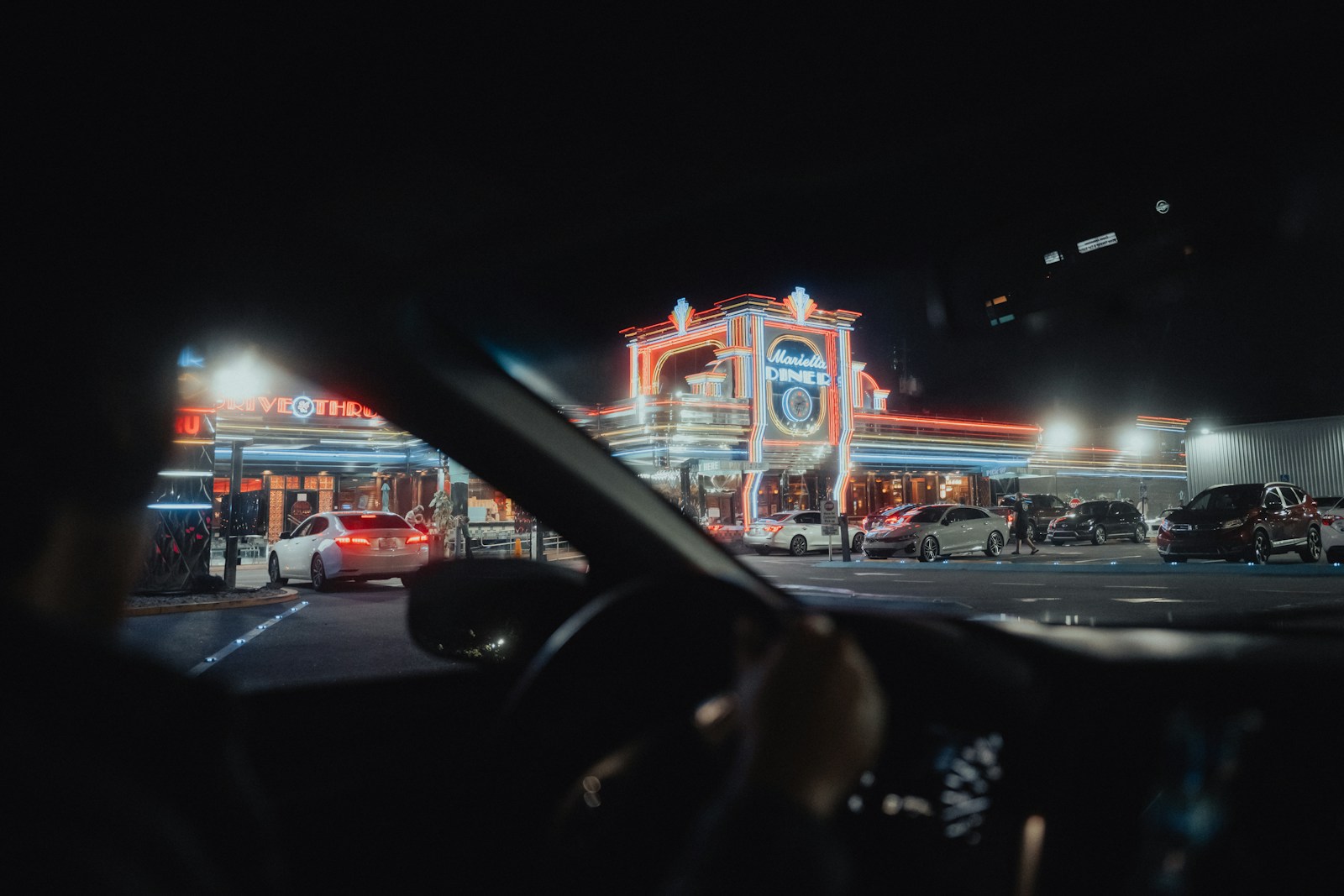

Across the interstate system, professional drivers quietly maintain their own blacklist of routes after dark, a pattern reflected in reporting on the U.S. highways they simply will not run at night. These stretches combine extreme weather, wildlife, and unpredictable human behavior, turning routine freight runs into high‑risk gambles that even seasoned long‑haul truckers try to avoid whenever possible.
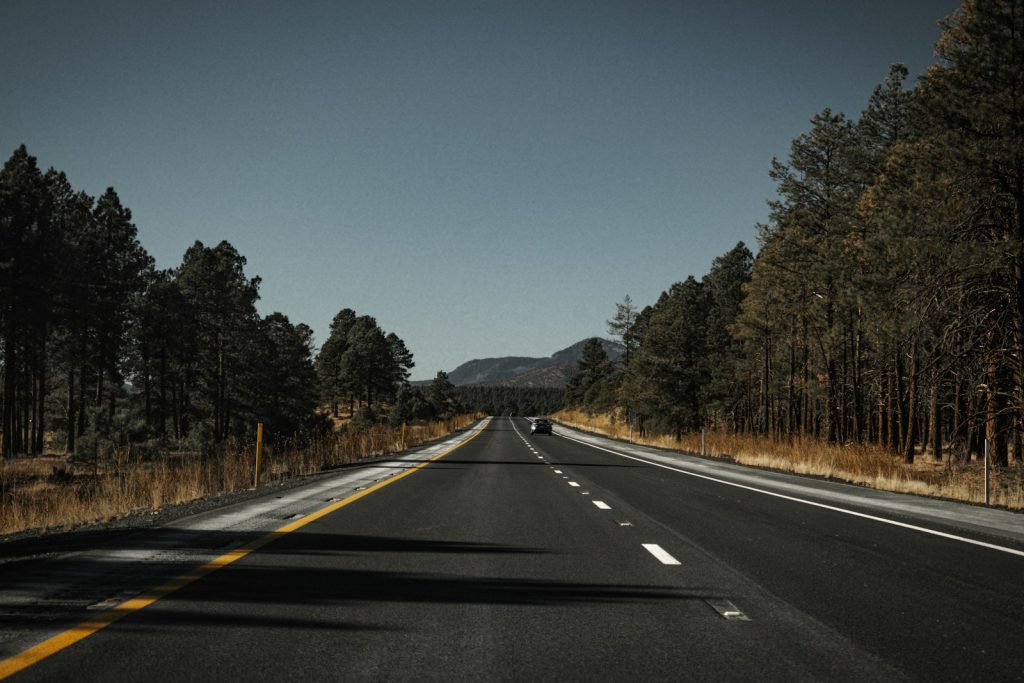
1) Interstate 40 in Oklahoma
Interstate 40 in Oklahoma tops many drivers’ danger lists because a 2022 ATRI report identifies it as the deadliest stretch for truckers. Researchers link that reputation to high wind gusts exceeding 60 mph at night, which can shove a loaded tractor‑trailer across lanes or into the median with little warning. Between 2018 and 2021, the report ties 15 fatal crashes to visibility issues on this corridor, where dust, rain, and darkness combine to hide sudden crosswinds and stalled vehicles until it is too late to react safely.
Veteran drivers say those conditions turn routine maneuvers, such as passing slower traffic or exiting for fuel, into judgment calls that can decide whether a rig stays upright. The same long, flat profile that makes I‑40 efficient for freight also leaves high‑profile trucks fully exposed to side gusts that feel stronger after sunset, when visual cues disappear. For carriers trying to keep schedules tight, the risk calculus is stark: a missed delivery window is easier to absorb than a rollover that shuts down a lane and endangers everyone nearby.
2) Interstate 10 in Arizona
Interstate 10 in Arizona illustrates how human unpredictability can make a highway far more dangerous at night than during the day. Federal Highway Administration data from 2023 show that this corridor’s nighttime fatality rate is 40 percent higher than its daytime rate, a gap linked to undocumented border crossings that trigger sudden stops and swerves. In 2022 alone, officials recorded 22 incidents involving professional drivers who encountered pedestrians or vehicles appearing unexpectedly in live lanes, often without headlights or reflective gear.
For truckers hauling through the desert, that pattern means every unlit shoulder or median could conceal people who might dart into traffic with little warning. The risk is magnified by long stretches with limited lighting and few alternate routes, forcing drivers to balance legal hours‑of‑service limits against the hazards of pressing on after dark. Many dispatchers now treat this section as part of the informal danger map described in reporting on highways drivers avoid at night, scheduling runs so the most exposed miles fall in daylight whenever possible.
3) Interstate 95 in Florida’s “Alligator Alley”
Interstate 95 in Florida’s “Alligator Alley” section has become shorthand for wildlife risk, even in documents that focus on land records such as a 95‑acre tract near Lauderdale that references the corridor. A 2021 study by the Insurance Institute for Highway Safety ranks this stretch as one that 68 percent of surveyed truckers avoid at night because of animal collisions. In 2020 alone, researchers logged 34 deer strikes, a figure that does not even count smaller animals or near‑misses that still force heavy rigs into abrupt braking or lane changes.
Those numbers underscore how quickly a routine night run can unravel when headlights suddenly catch a deer or alligator on the pavement with no safe escape route. The flat, water‑lined landscape limits options for evasive maneuvers, and concrete barriers can trap both animals and vehicles in the same narrow space. Tour itineraries that highlight Alligator Alley as a scenic stop, such as one that notes “Our first stop today will be Alligator Alley! Here we will enjoy a self‑guided visit before spending the night in Page, Arizona, near CANYON country” in a 2026 travel catalog, contrast sharply with the way freight haulers treat the same roadway as a nocturnal hazard zone.
4) Interstate 70 in Colorado’s Eisenhower Tunnel
Interstate 70 around Colorado’s Eisenhower Tunnel shows how mountain weather can turn a vital freight artery into what one driver calls “a black ice trap after dark.” A 2023 survey of 1,200 professional drivers found that 25 percent refuse night runs through this area because of icy conditions and sudden microbursts that can drop visibility to near zero. The tunnel’s high elevation and steep approaches mean temperatures plunge quickly after sunset, creating patches of black ice that are nearly impossible to spot until a tractor‑trailer is already committed to a curve or downgrade.
Driver John Ramirez’s warning captures the stakes for anyone hauling through this corridor with a full load and limited traction. Even with modern stability control systems and chains, a surprise microburst can coat the pavement while gusts shove trailers toward guardrails or oncoming lanes. For fleets, the risk is not just a single crash but a chain reaction in tight mountain traffic, where one jackknifed rig can trap dozens of vehicles in freezing conditions while responders fight the same weather that caused the wreck.
5) Interstate 80 in Wyoming’s “Snow Chi”
Interstate 80 in Wyoming, nicknamed “Snow Chi,” rounds out the list as a corridor where winter weather routinely overwhelms both equipment and experience. National Highway Traffic Safety Administration statistics for 2022 highlight 18 nighttime pileups involving semis on this stretch, all tied to whiteout blizzards that erase lane markings and taillights in seconds. Those figures are stark enough that the Wyoming Trucking Association has formally advised members to avoid night travel here when storms are in the forecast, treating the route as a seasonal no‑go zone rather than a reliable transcontinental link.
For professional drivers, that guidance effectively rewrites freight planning across the northern Rockies, forcing dispatchers to build in weather buffers or reroute loads hundreds of miles south. The combination of high winds, blowing snow, and long gaps between safe pull‑offs means that once a storm hits, there may be no practical way to exit before conditions deteriorate further. Each additional semi that presses on into “Snow Chi” after dark increases the odds that a single spinout will cascade into another multi‑vehicle pileup, reinforcing why so many drivers simply refuse to roll there at night.
More from Wilder Media Group: