
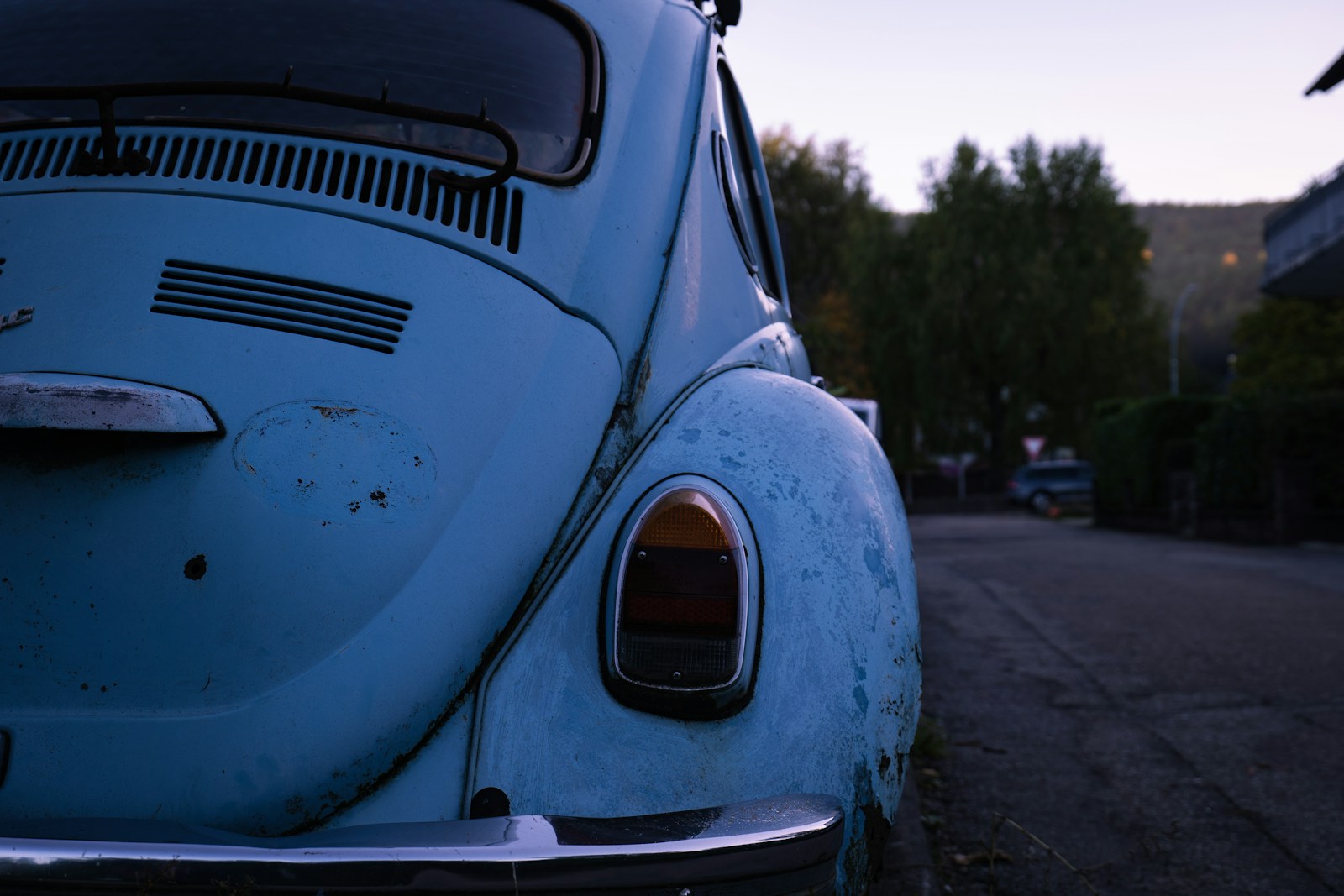

The car that helped motorise postwar Europe now has a new kind of first. The world’s oldest surviving VW Beetle, a fragile prototype that predates the production line legend, has been painstakingly rebuilt and is once again driving under its own power. Its return to public roads turns a museum-grade artefact into a living, moving archive of early automotive history.
At the centre of the story is German collector Traugott Grundmann, whose decades long hunt for rare Volkswagens has culminated in the resurrection of a Beetle few believed could ever run again. What survives of this early chassis, and the way it has been restored, offers a rare glimpse into how the original “people’s car” was engineered before it became a global icon.
The hunt for the oldest Beetle
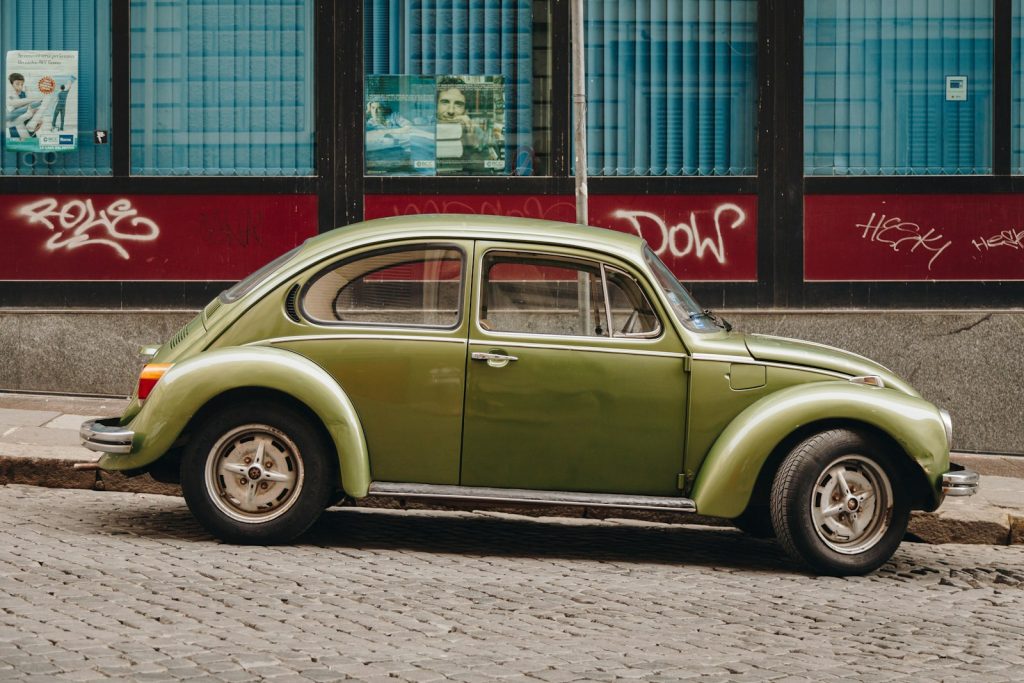
The car now recognised as the oldest surviving VW Beetle did not emerge from a pristine factory collection, but from the margins of history. Only the battered chassis remained from one of the first prototype versions of the iconic Volksw, a relic that somehow survived World War II and decades of neglect before landing in the hands of dedicated enthusiasts. That bare frame, described in reports as the Only the significant original component, became the foundation for a reconstruction that would test the limits of historical research and mechanical patience.
For Traugott Grundmann, a long time Volkswagen devotee, the discovery was the beginning of a methodical effort to prove that this was indeed the earliest Beetle still in existence. Researchers traced serial numbers, compared period photographs and cross checked surviving documents to establish that the prototype chassis predated other known cars. The work, detailed in coverage of the prototype and its survival, turned what might have been dismissed as scrap into a verified milestone in the Beetle story, and gave Grundmann the confidence to invest in a full restoration.
Rebuilding a prototype from fragments
Restoring a mass production Beetle is one thing, recreating a prewar prototype from fragmentary evidence is quite another. A proper construction drawing was no longer available, as Grundmann has openly acknowledged, which meant the team could not simply follow factory blueprints. Instead, they relied on surviving parts, period photos and engineering inference to recreate body panels, interior fittings and mechanical components that matched the car’s original specification as closely as possible. Every missing bracket or curve had to be reverse engineered, then fabricated by hand.
Designer Andreas Mindt, who joined the project, has described working on the car as more than just a technical exercise, framing it as a dialogue with the engineers who first shaped the Beetle’s silhouette. His involvement underscored how the restoration bridged eras inside Volkswagen culture, linking contemporary design thinking with the improvisational spirit of the 1930s workshop. By the time the car rolled again, the collaboration between Grundmann and Mindt had turned a pile of metal into a coherent prototype that could credibly claim its place at the very start of the Beetle lineage, a process chronicled in detail in accounts of how Grundmann and Mindt brought the car forward.
From workshop to public roads
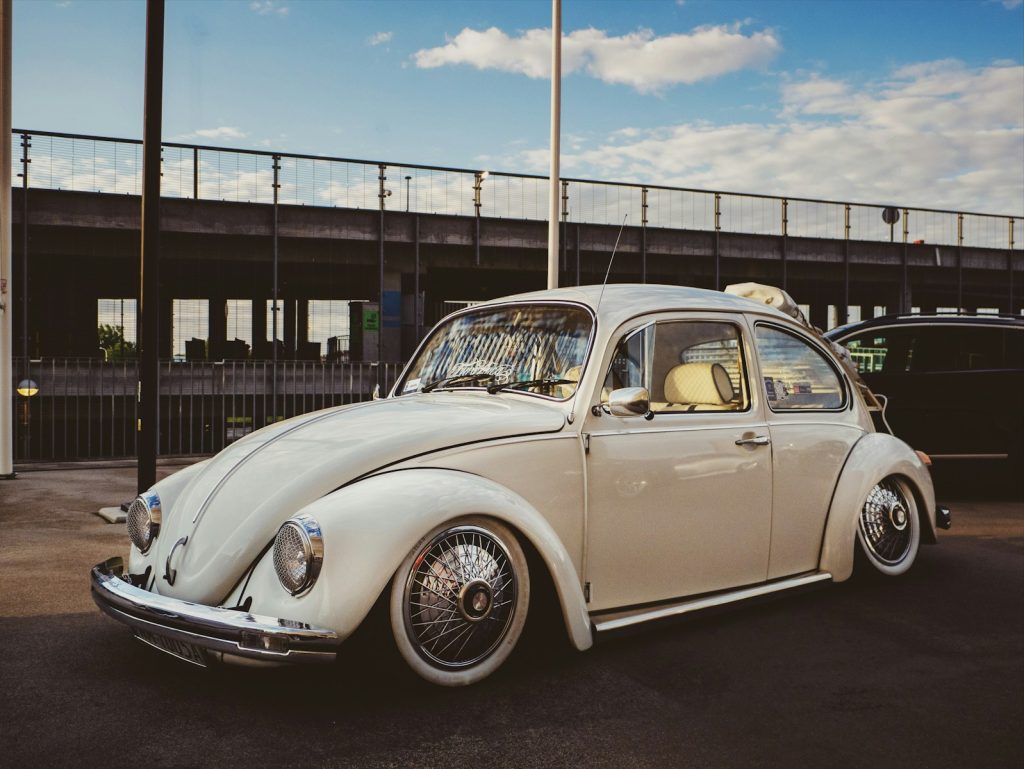
The symbolic breakthrough came not in the workshop but on a quiet street in Germany, when the reborn Beetle finally left the garage under its own power. In Hessisc Oldendorf, Germany, the car was presented to local authorities and subjected to the same scrutiny as any other vehicle seeking registration. Inspectors checked its brakes, lights and structural integrity before granting the paperwork that made it officially approved for road use. That bureaucratic stamp transformed the prototype from a static exhibit into a legal participant in modern traffic.
For Grundmann and his team, the first sanctioned drive was both a test and a celebration. The car’s small engine, rebuilt to original specification, pushed the lightweight body forward with a modest but authentic growl, while the narrow tyres and simple suspension reminded onlookers how far automotive comfort has come. Reports from the scene describe the moment the car edged out into the street as a quiet triumph, the culmination of years of research and fabrication that had finally put the oldest Beetle back into the flow of everyday life.
Inside a cramped time capsule
If the exterior of the prototype looks familiar to anyone who has seen a classic Beetle, the interior tells a more intimate story about how people once travelled. It is above all cramped inside, a fact that becomes obvious the moment a modern driver tries to slide behind the wheel. People used to be smaller, Grundmann notes with a wry smile, pointing out that anyone taller than 1.8 metres will struggle with the low roofline and short seat rails. The driving position, with its upright steering wheel and close set pedals, feels closer to a prewar saloon than to the more relaxed ergonomics of later Beetles.
The sparse dashboard and thinly padded seats reinforce the impression of a machine built to a strict brief of affordability and simplicity. There are no concessions to luxury, only the bare controls needed to start, steer and stop. Yet that austerity is part of the car’s appeal, especially for visitors who climb in during public showings and realise how different mobility felt at the dawn of the mass motor age. The tight cabin, described in first hand accounts of the car’s return to the road, functions as a physical reminder that the original Beetle was designed around the bodies and expectations of a very different generation of drivers.
Why this Beetle matters now
The resurrection of the oldest Beetle is not just a curiosity for marque obsessives, it also reshapes how historians and engineers understand the early evolution of the “people’s car”. Detailed reporting on the project notes that only the chassis survived World War II, which means every other aspect of the vehicle had to be reconstructed from clues. That process exposed subtle differences between the prototype and later production cars, from body contours to mechanical layouts, offering fresh insight into how Volkswagen refined the design before launching it at scale. For scholars of industrial history, the car is a rolling case study in iterative engineering under political and economic pressure.
The story has also resonated far beyond specialist circles, helped in part by video coverage such as the Aug feature titled “World’s oldest Beetle – Part 2″, which brought viewers into Grundmann’s workshop and showed the car in motion. Enthusiasts who had previously only read about early Beetles could suddenly watch the prototype start, idle and drive, turning abstract history into a sensory experience. That visibility has elevated the car into a symbol of how careful research and craftsmanship can rescue even the most fragile artefacts from oblivion, a theme echoed in broader coverage of how the World Beetle has hit the road again in Germany and is now even road legal.
The project has also highlighted the international network of fans and experts who keep the Beetle story alive. Reports from Oct in Daily Finland describe how the World oldest surviving Beetle drew visitors from across Europe to see it run, while Baltic outlets chronicled how Grundmann and Mindt navigated the absence of factory drawings to recreate lost details. Croatian coverage in Oct emphasised the prototype research methods that confirmed the car’s identity, underlining how cross border collaboration helped validate the find. Together, these accounts show that the car’s rebirth is not just a local achievement but a shared effort by a community determined to keep one small, rounded silhouette firmly in motion.
For Volkswagen itself, the running prototype is an awkward but valuable mirror. It predates the polished corporate heritage displays and reminds the company that its most enduring product began as a rough, utilitarian machine built to meet a political brief. Seeing that origin story idling at a modern traffic light in Germany, with LED crosswalks and electric cars nearby, is a jolt of perspective. The world’s oldest surviving Beetle is back on the road, and in doing so it quietly insists that history is not something to be parked behind velvet ropes, but something that still has fuel in the tank.
Behind the scenes, the restoration has also sparked renewed interest in other early Volksw artefacts, with collectors revisiting old barns and archives in search of forgotten parts that might connect to the prototype era. The attention generated by the project, amplified through platforms like the detailed Daily Finland report on how the World Beetle returned to service and the lifestyle coverage explaining why it is now even road legal, has effectively turned Grundmann’s achievement into a rallying point for preservation. Each new lead, whether a dusty gearbox or a faded photograph, has the potential to refine the story of how a modest German compact became one of the most recognisable silhouettes in automotive history.
In that sense, the car’s cramped cabin and modest performance are beside the point. What matters is that a machine once reduced to a bare chassis now moves under its own power, carrying with it the weight of early twentieth century engineering, wartime survival and postwar nostalgia. As it trundles through In Hessisc Oldendorf or onto a show field elsewhere in Germany, the prototype does more than attract smartphone cameras. It invites anyone who sees it to imagine a time when the idea of a car for the People was still experimental, and when a handful of engineers were sketching, hammering and testing their way toward a shape that would circle the globe.
That invitation is what keeps the oldest Beetle relevant in 2026. Long after the headlines fade, the car will continue to start, rattle and roll, a small but persistent reminder that history is most vivid when it is allowed to move. For now, thanks to Traugott Grundmann, Grundmann’s collaborators and a network of enthusiasts stretching from Oct reports in Finland to detailed Croatian features on how the chassis survived World War II, the prototype that almost vanished is once again part of the living traffic of the twenty first century.
Unverified based on available sources.
More from Wilder Media Group: