

Electric motors are not just a new powertrain option, they are a fundamentally different way of turning energy into motion, and that difference is what will ultimately sideline gasoline engines. From efficiency and performance to durability and emissions, the physics of electric drive stacks advantages in the same direction while internal combustion keeps running into its own mechanical limits. The transition will be uneven and politically charged, but on the core engineering and economic merits, the gas engine is already losing the argument.
Efficiency: where the energy really goes
At the heart of the shift is a blunt reality: electric motors waste far less of the energy they receive than internal combustion engines. Engineers often illustrate this by tracking what happens to a fixed amount of primary energy as it moves from source to wheels. One technical breakdown follows 100 units of fuel energy through a power plant and grid and finds that only 33.3 units reach the motor as usable electricity, a figure that on its face seems to make electric drive look worse than burning fuel directly in a car. Yet that same analysis notes that the motor then converts that electricity into motion with far higher efficiency than a gasoline engine, which loses most of its own 100 units to heat, friction and pumping losses before any torque reaches the road, a contrast that undercuts the idea that combustion is inherently more “efficient” just because it skips the grid.
The real comparison is not plant-to-plug versus tank-to-engine in isolation, it is wheel-to-wheel, and on that basis electric drivetrains still come out ahead once their superior conversion and regenerative braking are counted. Internal combustion engines must idle, rev and shift through gears to stay in a narrow efficiency band, while an electric motor can deliver useful torque across a broad range without wasting energy on unused revs. That is why, even after accounting for the 100 and 33.3 joule pathway described in the efficiency discussion, electric vehicles typically travel farther per unit of primary energy than comparable gasoline cars, especially in stop‑start city driving where regenerative systems claw back energy that combustion cars simply throw away as heat.
Instant torque and the performance gap
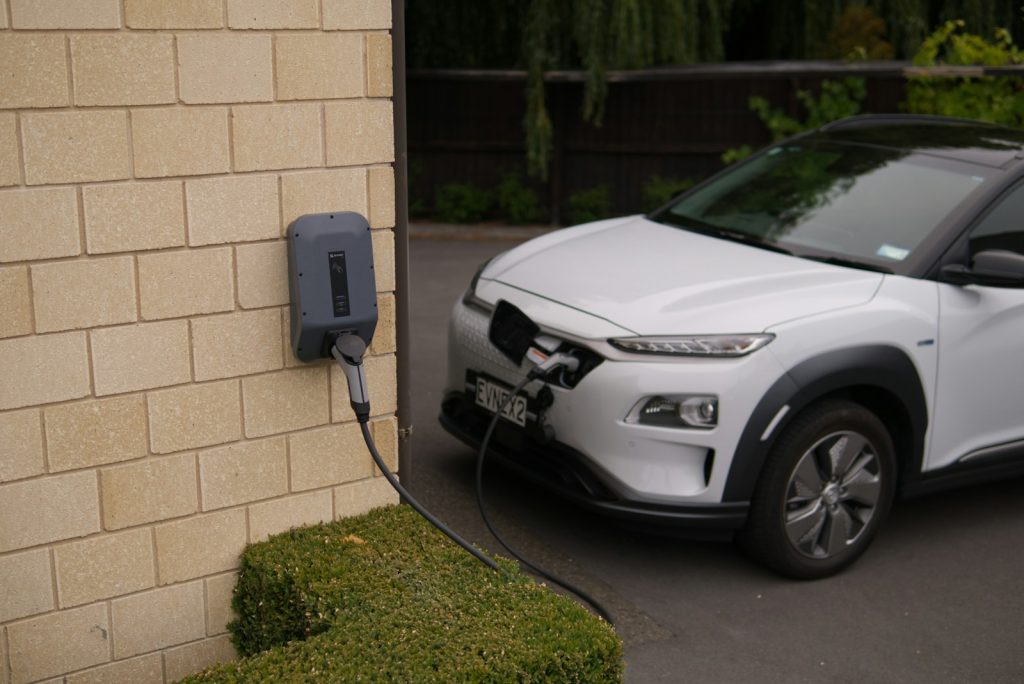
Efficiency alone would not doom gas engines if they still felt better to drive, but the opposite is happening: electric motors are redefining what everyday performance looks like. Because an electric motor can apply maximum torque from zero revolutions per minute, even family crossovers now launch with a smooth, relentless shove that used to be the preserve of tuned turbo sedans. Enthusiasts on technical forums have tried to unpack why this feels so different, with one thread featuring users named Almost, Iphotoshopincats and Been trading explanations about how electric motors can accelerate so hard without waiting for revs to build, a grassroots reflection of the same physics that lets a compact hatchback out‑drag a traditional sports car from a stop.
The underlying mechanism is not magic, it is the way current and magnetic fields interact, and it is why engineers stress that Electron drift itself is only part of the story of how electricity does work in a motor. In a combustion car, the engine must spin up, the transmission must pick a gear and the torque converter or clutch must manage the shock, which all takes time and wastes energy as heat and noise. In an electric car, the inverter and motor respond almost instantly to pedal input, translating electrons into turning force with minimal delay, a point that is unpacked in an explanation of instant power that contrasts this directness with the lag and gear hunting familiar to drivers of automatic gasoline cars.
Durability and the death of routine maintenance
Beyond how they move, electric motors are structurally simpler than engines that must compress, ignite and exhaust a volatile fuel‑air mix thousands of times per minute. A typical electric drive unit has a rotor, stator, bearings and a handful of moving parts, while a modern gasoline engine layers pistons, valves, camshafts, turbochargers, fuel injectors and complex emissions hardware on top of each other. That simplicity is why dealership materials that walk buyers through “Understanding the Mechanics of Electric Vehicles” emphasize that “One of the” key reasons battery cars can outlast their gasoline counterparts is the absence of oil changes, timing belts, spark plugs and exhaust system repairs that steadily erode the value of combustion cars as they age, a point made explicit in guidance on whether electric vehicles last longer.
The other durability myth that is quietly collapsing is the idea that batteries are disposable wear items that will fail long before the rest of the car. Advocates for electrification now highlight data showing that, Contrary to the popular fear that packs rapidly degrade, real‑world fleets are seeing modest capacity loss over long mileages and calendar years, especially with modern thermal management and conservative charging strategies. One analysis notes that, “Contrary” to the assumption that batteries fade like smartphone cells, traction packs in mainstream EVs are holding up well enough that the motors and inverters, which have even fewer stress points, are likely to outlast the body and interior. That perspective is echoed in arguments that electric vehicles will keep working long after a comparable gasoline car would be facing major engine or transmission work, a shift that undermines the resale case for combustion.
Costs, emissions and the policy tailwind
Running costs are where the structural advantages of electric drive become painfully clear for gasoline. Electricity is usually cheaper per unit of energy than refined fuel, but the more important factor is how that energy is used. One plain‑spoken explainer by a user named Leemour notes that the most basic reason electric cars can be cheaper to operate than petrol or diesel models is that the energy in each example is not being used for the same task, since combustion cars waste so much of their fuel as heat before it ever turns the wheels. That insight underpins the growing consensus that, once purchase prices and incentives are accounted for, the total cost of ownership of an EV can undercut a comparable gasoline model, a point that is spelled out in a breakdown of why electric cars are cheaper to run over time.
Environmental performance is following the same pattern, with official data now stating that Electric and hybrid vehicles can deliver significant emissions benefits over conventional vehicles, especially when operating in all‑electric mode. All‑electric cars produce zero tailpipe emissions, which immediately improves air quality in cities even when the grid mix still includes fossil generation, and as more renewables connect, the upstream footprint of charging continues to fall. That is why policy frameworks and consumer guides increasingly describe EVs as the clear winner environmentally, as well as for fuel efficiency, maintenance costs and tax incentives, even while acknowledging that However, charging access and upfront prices can still be obstacles in some markets, a balance reflected in advice for shoppers weighing electric cars vs. gas cars.
The tipping point: when gas engines stop making sense
As these technical and economic trends compound, the narrative around internal combustion is shifting from nostalgia to inevitability. In one widely shared discussion, a commenter bluntly states that ICE vehicles are simply inferior for most use cases now and argues that They are only hanging on because of legacy infrastructure, habits and what is described as a kind of informal subsidy scheme that keeps fuel and servicing networks in place even as demand erodes. That sentiment, captured in a thread dissecting why ICE vehicles are simply inferior, reflects a growing view among technologists that the gas engine’s remaining advantages are niche: extreme towing, remote off‑grid use or motorsport, rather than daily commuting and family transport.
At the same time, the performance bar for “normal” cars is being reset by electric drivetrains that make traditional benchmarks feel outdated. In one Comments Section devoted to explaining why electric cars accelerate faster than most gas‑powered models, contributors point out that the torque and power curves of electric motors let them deliver strong, consistent thrust without the peaks and valleys of a combustion engine tied to a multi‑gear transmission. That analysis of why electric cars accelerate faster dovetails with earlier threads where users like Almost and Iphotoshopincats unpack the same phenomenon, and with mainstream reviews of cars like the Tesla Model 3 Performance or Hyundai Ioniq 5 N that now out‑sprint legacy V8 sedans while using far less energy per mile. When a quieter, cleaner, cheaper‑to‑run car is also the quicker one, the case for clinging to gasoline narrows to sentiment and edge cases rather than everyday logic.
Even the enthusiast culture around engines is starting to adapt, with some gearheads who once obsessed over cam profiles now trading notes on inverter tuning and battery cooling. Technical explainers that began as simple ELI5 posts about why electric car engines or motors are able to accelerate so quickly, featuring names like Almost, Iphotoshopincats and Been, have evolved into deeper dives on how motor control software shapes the driving experience, as seen in threads such as why electric car motors accelerate. Combined with official statements that Electric and hybrid vehicles can cut emissions and consumer guidance that EVs are the clear winner on running costs, the cultural shift suggests that the gas engine’s decline will not be a sudden cliff but a steady slide into irrelevance, as electric motors quietly become the default choice for anyone who cares about performance, cost or the air they breathe.
More from Wilder Media Group: