
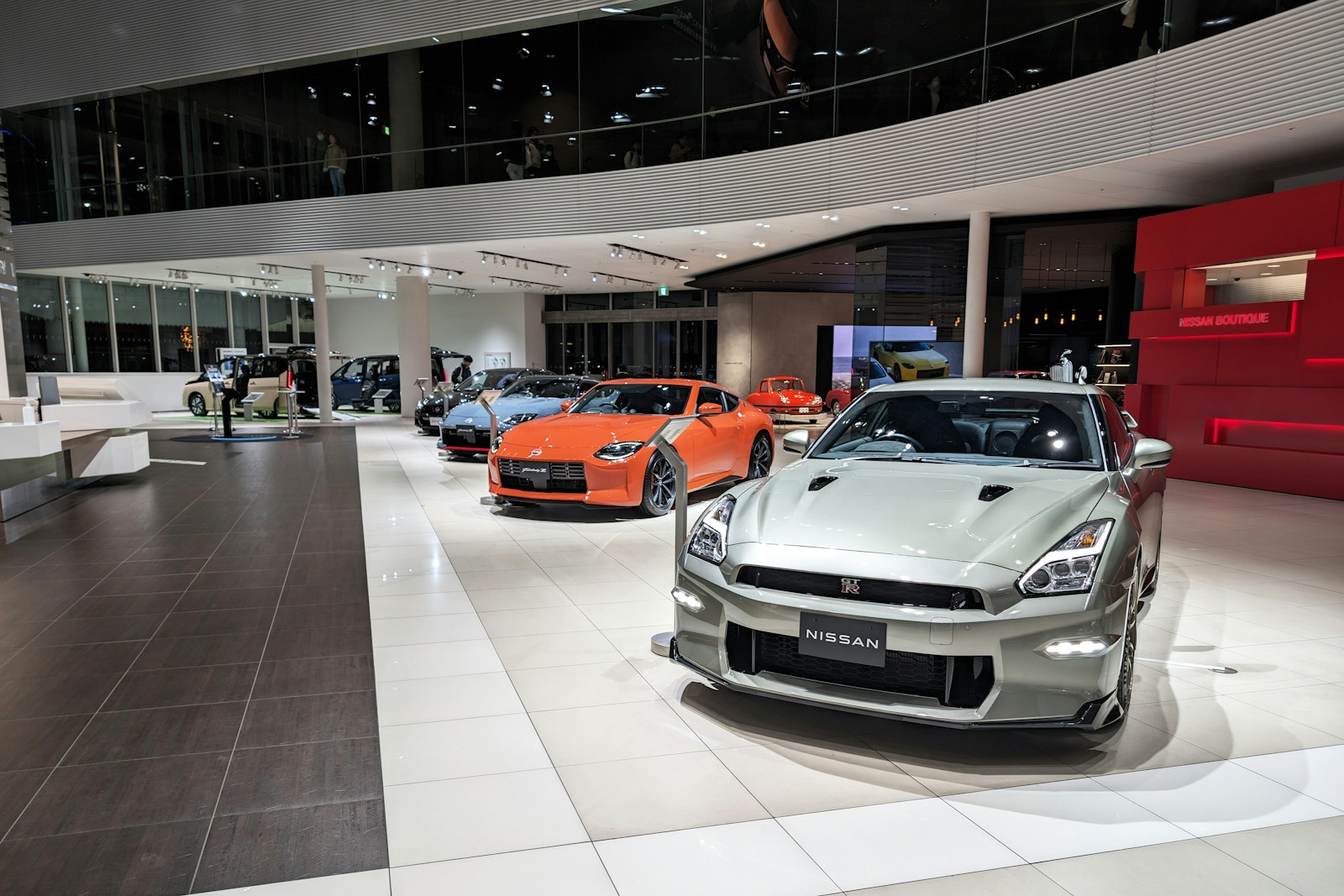

Consumer Reports has delivered a jolt to Japan’s auto industry, singling out one of its biggest brands as the least enjoyable to drive. In a new owner satisfaction ranking that cuts across comfort, performance, and everyday livability, Nissan lands at the bottom among Japanese automakers and near the back of the global pack. The finding undercuts long‑held assumptions that any Japanese badge automatically guarantees a rewarding driving experience.
The verdict matters because it comes from thousands of real owners, not a handful of test drivers. It also arrives at a moment when shoppers are paying record prices and leaning heavily on data to decide which vehicles feel worth the payment. For Nissan, the message is blunt: reliability and value are no longer enough if drivers simply do not look forward to getting behind the wheel.
How Nissan Ended Up As Japan’s Least Satisfying Brand
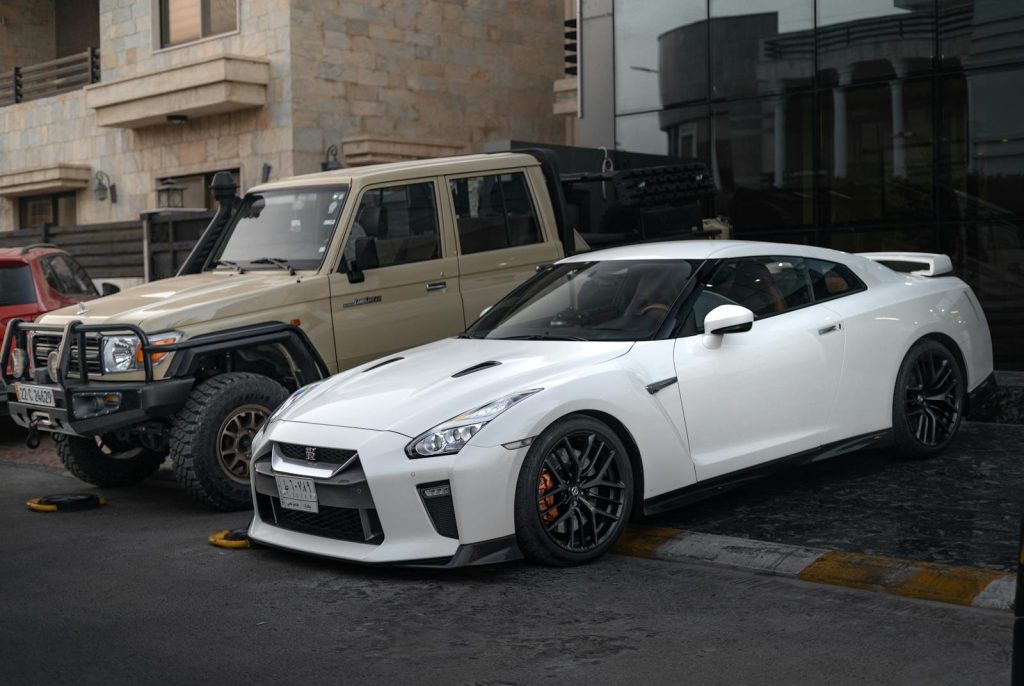
In the latest owner surveys, Nissan is described as the least satisfying Japanese car brand to drive, and it ranks near the bottom out of 26 automakers overall. That low placement reflects how owners rate the brand’s mix of ride quality, handling, noise, and day‑to‑day ease of use, not just whether the cars start every morning. The assessment is reinforced by model‑level feedback, where vehicles like the 2025 Kicks, Pathfinder, and Sentra are all cited as examples of how the company’s current lineup struggles to delight drivers, even when it checks the boxes on practicality and price, a pattern highlighted in an analysis of individual Nissan models.
That result is especially striking given the broader reputation of Japanese manufacturers. For decades, Japanese brands have been shorthand for smooth, fuss‑free motoring, yet the latest satisfaction table shows a clear gap between that image and how owners feel about Nissan today. In a breakdown of the most and least liked brands, the company trails not only domestic rivals but also several newer players, while Japanese peers such as Toyota and Subaru sit much higher on the list of brands drivers would happily buy again, a contrast underscored in a report on least satisfying car brands.
What Consumer Reports Measures When It Talks About “Satisfaction”
Owner satisfaction in these rankings is not a vague vibe check, it is a structured score built from how people rate their cars in specific categories. One key pillar is COMFORT, which covers seat support, cabin noise, and ride quality, among other factors, and is reported alongside other dimensions that determine whether a vehicle feels pleasant in daily use. In the latest breakdown of MOST and least SATISFYING brands, Rivian tops the comfort charts, illustrating how a newcomer can quickly set the benchmark for how refined and relaxing a modern cabin should feel, according to the detailed COMFORT and satisfaction ratings.
Those owner impressions are then folded into a broader scoring system that also weighs road‑test performance, safety, and reliability. In the latest “Which Brands Make the Best Cars” assessment, Subaru sits at number one with a road‑test score of 82 and an owner satisfaction score of 88, while BMW matches the 82 road‑test figure and edges slightly higher on satisfaction, and Toyota appears in the top five as another consistently strong performer. These exact figures, 82 and 88, show how tightly clustered the leaders are and how far a lagging brand must climb to compete with the likes of Subaru, BMW, and Toyota.
Inside The 2026 Brand Report Card And What It Means For Nissan Shoppers
Behind the headline rankings sits a large research effort that Consumer Reports describes as The Comprehensive Analysis of Vehicle Quality to Help guide car shoppers amid steep prices. In its 2026 Automotive Brand Report Card, the organization blends survey data, crash‑test results, and track evaluations into a single view of each automaker, an approach it explicitly labels as an Analysis of how brands perform in the real world. That methodology is laid out in the release titled Consumer Reports Releases Its Automotive Brand Report Card, which also notes that Subaru remains number one overall and the highest scoring brand for owner satisfaction.
Reliability still plays a major role in that brand picture, but it does not always line up neatly with how much people enjoy their cars. A list of the 10 Least Reliable Vehicles, for example, includes the Honda Prologue with a score of 25 out of 100, and even calls out the 2025 Honda Prologue Elite as a specific configuration that raises concerns, yet Honda as a brand can still deliver models that owners love to drive. The disconnect between a low 100‑point reliability score on one model and high satisfaction on others, documented in a rundown of Least Reliable Vehicles, mirrors Nissan’s challenge: a car can be objectively competent yet leave drivers cold.
Why Some Well‑Rated Nissans Still Leave Drivers Cold
The tension is perhaps clearest in the compact segment, where Their pick for best small car goes to the Nissan Sentra, yet that same model receives the worst score for predicted owner satisfaction. On paper, the Sentra nails the basics with efficiency, space, and value, which helps it rise to the top of comparative tests, but owners signal that the driving experience itself feels dull or unrefined enough that they would not necessarily choose it again. That paradox is spelled out in a discussion of how Their Nissan Sentra rating can be high on objective criteria while low on predicted happiness.
At the brand level, Nissan’s story is similarly mixed. Some quality and dependability studies still show the Japanese company performing well, and one recent review notes that the Japanese automaker also earned high marks in J.D. Power’s research even as Consumer Reports ranked it last among Japanese brands for driving satisfaction. That split underscores how different methodologies can paint contrasting pictures of the same company, a nuance captured in a closer look at how Nissan scores across multiple studies. For shoppers, the takeaway is to look beyond a single badge or reputation and weigh both the hard numbers and how a car actually feels from the driver’s seat.
More from Wilder Media Group: