

Drivers often treat their vehicles like rolling storage units, but experts warn that habit can quietly damage cars, wallets and even health. From damp floor mats that fuel dangerous condensation to forgotten food that attracts rodents, the everyday items left behind can create bigger problems than most motorists realise. Here are 10 common things drivers leave in their cars, and why specialists say it is time to stop.
1) Floor Mats
Floor mats seem harmless, yet in winter they can become one of the biggest moisture traps inside a vehicle. Reporting on January driving advice has highlighted that drivers are being urged to remove one item from their cars to cut condensation, and damp mats are a prime culprit. When snow, slush and rain soak into the fabric or rubber, that moisture evaporates overnight, fogging up windows and feeding mold in carpets and underlay.
Other guidance stresses that Drivers should tackle condensation because it can severely reduce visibility, especially on cold mornings when glass is slow to clear. Safety specialists note that wet mats also accelerate corrosion in footwells and can leave lingering odours that are hard to remove. Lifting mats out at the end of a journey, shaking off water and letting them dry indoors is a simple step that protects both clear vision and the car’s interior.
2) Water Bottles
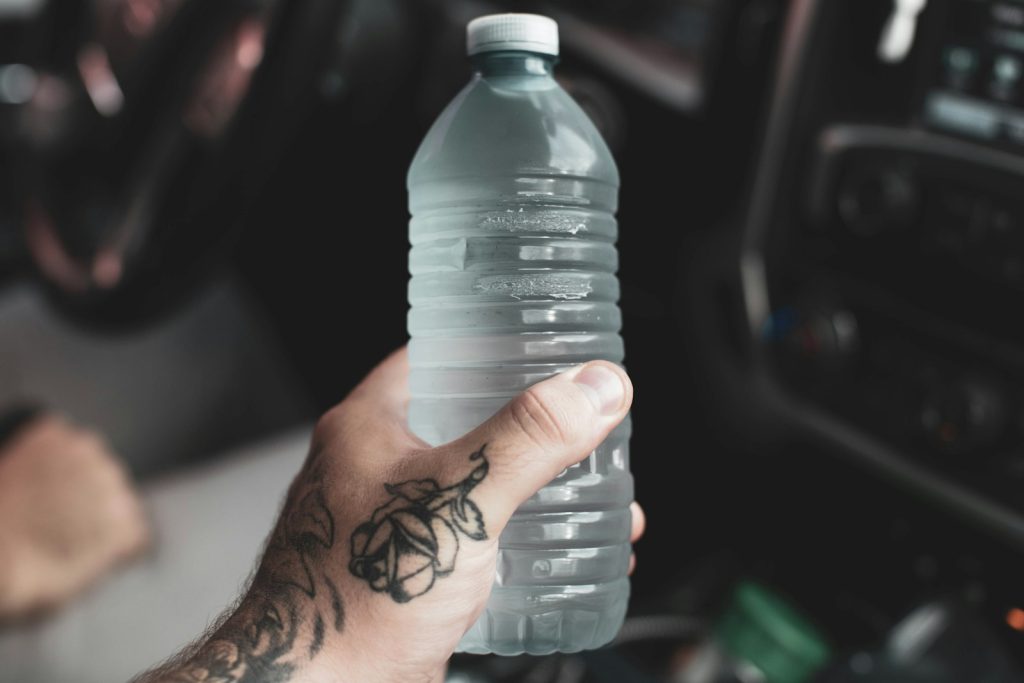
Water bottles are another everyday item that experts say should not be left rolling around on seats or in footwells. Safety advice has warned that Water bottles in cars can be injurious if sunlight focuses through clear plastic and liquid, concentrating heat on upholstery or wiring. In extreme cases, that lens effect has been linked to scorch marks on seats and centre consoles, particularly in tightly sealed cabins.
Beyond the fire risk, plastic can warp or split as temperatures swing from freezing nights to hot afternoons, allowing slow leaks that soak carpets and quietly add to the condensation problem. Loose bottles can also roll under pedals, creating a sudden obstruction when braking. Keeping reusable bottles in a bag, door pocket or taking them indoors avoids these hazards and reduces the amount of single-use plastic cluttering the vehicle.
3) Electronic Devices
Electronic devices such as smartphones, tablets and sat nav units are routinely left on dashboards or in cupholders, but automotive guidance warns that extreme cabin temperatures can quickly degrade them. In summer, closed cars can reach interior temperatures high enough to damage lithium-ion batteries, while winter cold slows chemical reactions and can cause screens to crack if they are powered up too fast. Over time, this thermal stress shortens battery life and increases the risk of sudden failure.
There is also a security dimension. Visible devices, or even their charging cables, signal to opportunistic thieves that valuables may be inside, raising the likelihood of a smashed window and costly repair. Experts recommend disconnecting electronics, storing them out of sight in a locked glovebox or taking them indoors. That approach protects both the hardware and the vehicle, and it reduces distractions from notifications or screens left glowing in the cabin.
4) Loose Change
Loose change scattered in cupholders or on the centre console might look trivial, but it can create several avoidable problems. Coins that slide into seat rails or under rubber liners can rattle constantly, making it harder for drivers to notice new noises that might signal mechanical issues. Sharp edges can scratch plastic trims and glossy surfaces, gradually downgrading the interior finish and resale value.
More importantly, visible coins can act as a beacon for petty thieves who are willing to break a window for even a small perceived reward. Police and insurance advisers routinely note that any sign of cash or valuables increases the risk of a break-in. Using a closed coin holder or keeping small amounts of change in a wallet instead of on display keeps the cabin tidier and removes one more incentive for opportunistic crime.
5) Food Items
Food items, from takeaway leftovers to half-finished snacks, spoil rapidly in the confined, temperature-fluctuating environment of a parked car. As they break down, they release strong odours that cling to fabrics and are difficult to remove without professional cleaning. Crumbs and spills also stain seats and carpets, encouraging mold growth in damp conditions and contributing to poor air quality inside the cabin.
Abandoned food can attract pests, including Rodents that are drawn to easy calories. Once inside, they may start chewing on car wires because their teeth never stop growing and they need to file them down on tough materials. That behaviour has been linked to expensive electrical faults and even non-starting vehicles. Clearing food and packaging at the end of each trip is a simple way to avoid both smells and costly pest damage.
6) Aerosol Cans
Aerosol cans, including deodorants, cleaning sprays and tyre inflators, are often left rolling around in boots or door bins, yet they are specifically labelled to avoid high temperatures. In a sealed vehicle, heat can build up around these pressurised containers, increasing the risk that they will rupture or explode. If that happens, metal fragments and chemical contents can damage upholstery, plastics and even glass.
Even without a full rupture, slow leaks from damaged valves can release flammable vapours into the cabin. In the presence of a spark from wiring or a cigarette lighter, that mixture can ignite. Safety specialists advise storing aerosols in cool, ventilated spaces and only keeping them in the car when necessary for a specific journey. Securing them upright in a storage box also prevents them from becoming projectiles during sudden braking.
7) Medications
Medications are another category that should not be treated as glovebox clutter. Many prescription and over-the-counter drugs are designed to be stored within a narrow temperature range, and prolonged exposure to heat or cold can alter their chemical composition. That degradation may make them less effective or, in some cases, unsafe, particularly for medicines with tight dosing windows such as insulin or certain heart drugs.
Humidity inside a car can also affect tablets and capsules, causing them to crumble or stick together. Pharmacists generally recommend keeping medicines in their original packaging and storing them indoors, away from direct sunlight. For drivers who need to carry essential medication, insulated pouches and short parking times are safer options than leaving blister packs or bottles in a vehicle overnight or for extended periods.
8) Sunglasses
Sunglasses are essential for safe driving in bright conditions, but leaving them permanently on the dashboard or top of the instrument panel can shorten their life and compromise vision. Prolonged exposure to direct sunlight and heat can warp plastic frames, loosen screws and distort lenses. When lenses change shape or coatings peel, they may introduce subtle visual distortions that make it harder to judge distances or spot hazards.
There is also a fire risk if reflective lenses focus sunlight onto a small area of the dashboard or seat fabric. While rare, similar lens effects have been documented with other reflective objects in cars. Storing sunglasses in a dedicated case in the centre console or overhead compartment protects them from damage and ensures they are in good condition when drivers need clear, reliable vision on the road.
9) Documents
Documents such as bank statements, insurance letters and personal mail are often left on seats or stuffed into door pockets, but they carry a hidden security risk. If a car is broken into, those papers can provide a trove of sensitive information, including addresses, account numbers and signatures. Criminals can use those details for identity theft, opening fraudulent accounts or targeting home burglaries.
Even vehicle documents need careful handling. While registration and insurance details may be required during a traffic stop, leaving full paperwork in the glovebox gives thieves everything they need to impersonate the owner. Security experts recommend keeping only the minimum legally required information in the car and storing other documents in a secure place at home. Shredding unneeded papers before disposal further reduces the risk.
10) Lighters
Lighters, whether disposable plastic models or refillable metal designs, introduce a clear fire hazard when left in a hot vehicle. The fuel inside can expand as temperatures rise, stressing seals and potentially causing leaks. In extreme heat, the pressure can build enough to crack the casing or force the valve open, releasing flammable gas into the cabin or boot.
Reports on winter driving have already highlighted that Damp items and other clutter should be cleared from cars, and the same logic applies to ignition sources. If leaked gas encounters a spark from electronics or a cigarette, the result can be a sudden flash fire. Keeping lighters in a pocket or taking them indoors removes that risk and keeps the vehicle free from small but potentially dangerous objects.
Supporting sources: Drivers urged to remove 3 items from cars to stop …, RAC urges UK drivers to remove this item from cars to stop ….
More from Wilder Media Group: