
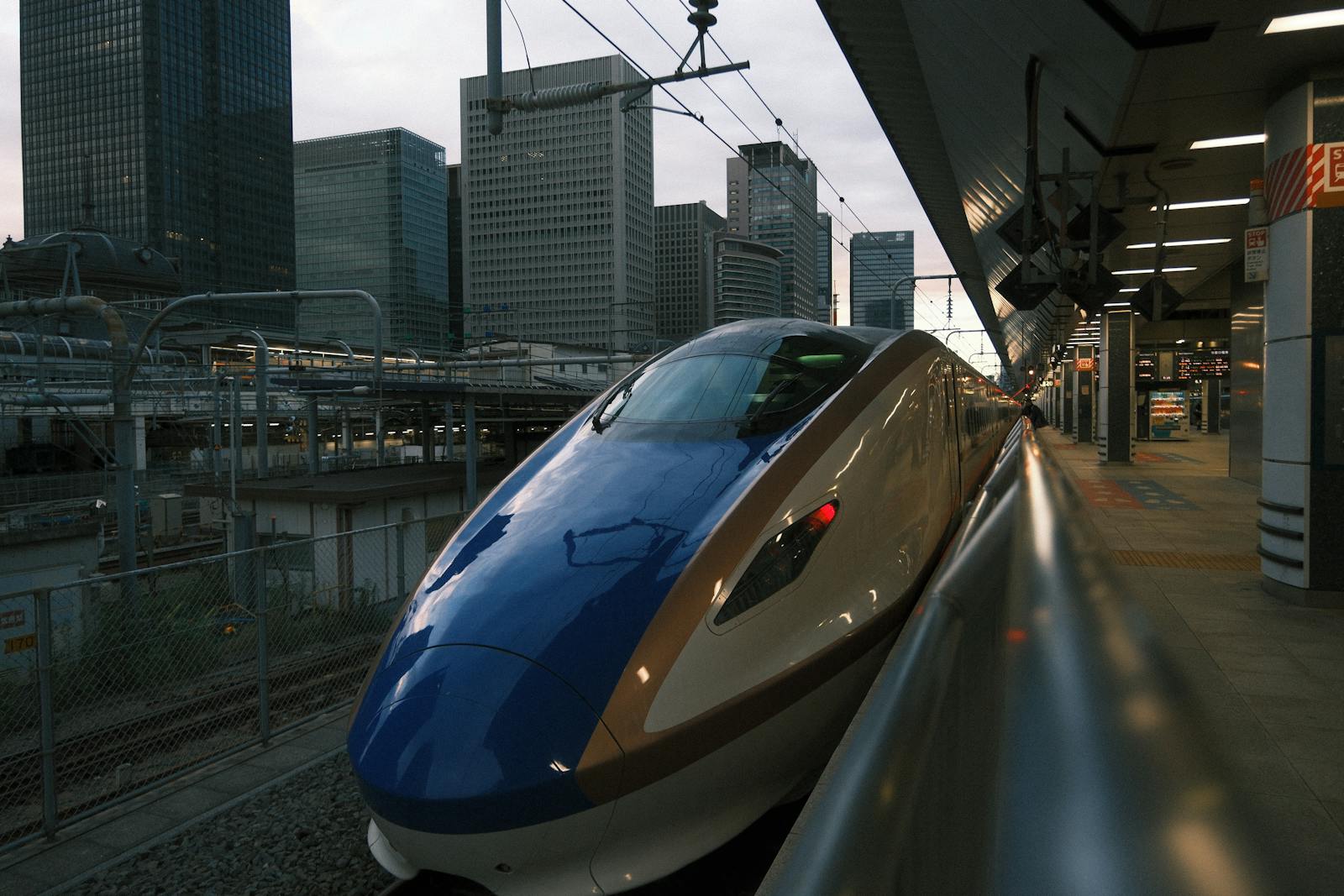

The United States likes to imagine itself as a nation of cutting-edge infrastructure, yet it still lacks the kind of true high-speed rail that links cities across Western Europe and East Asia. While a handful of projects hint at what is possible, the country’s passenger trains mostly crawl along tracks built for freight and for a different century. The gap is not about technology, which is well understood, but about politics, priorities, and the hard math of building new lines across a vast, car-centric nation.
To understand why the U.S. still does not have genuine bullet trains, it helps to look at what exists today, what is being attempted, and what keeps stalling progress. The picture that emerges is less about a single failure and more about a system that has been optimized for trucks, planes, and private cars instead of fast, frequent rail between major cities.
What “high-speed” means in the U.S. today
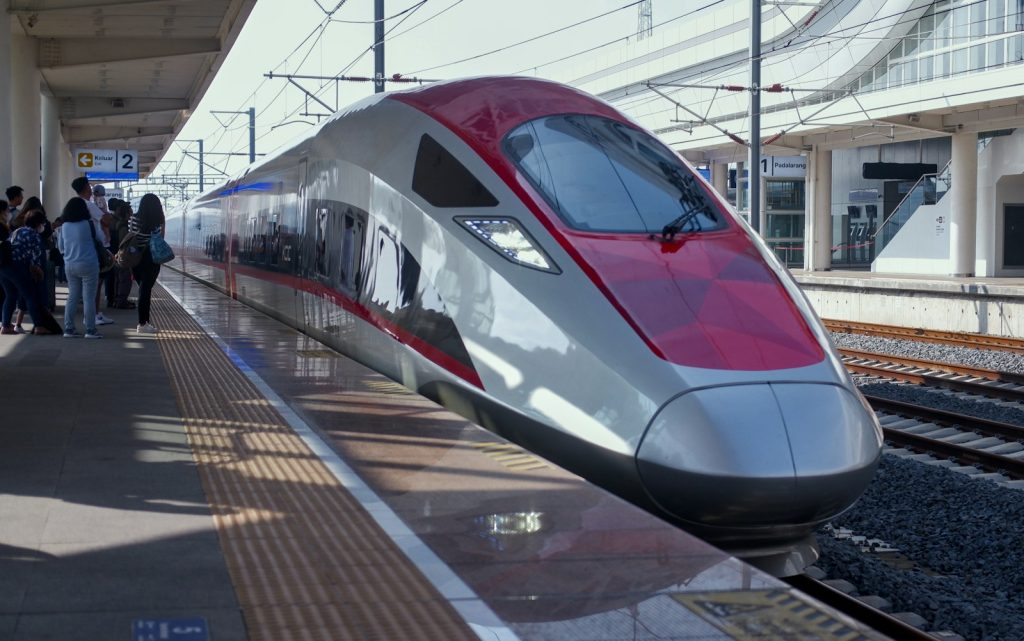
On paper, the country already has a flagship fast train: Acela, which Amtrak runs between Washington and New York City and on to Boston. Acela is marketed as the nation’s only high-speed rail service, but it operates on curving, century-old tracks shared with commuter and freight trains, which limits how often it can reach its top speed and keeps average trip times far from the 300 kilometer per hour services that define high-speed rail abroad. Even with new “NextGen” trainsets, the underlying corridor geometry and mixed traffic keep the service from matching the seamless bullet train experience riders expect in Japan or France.
Elsewhere, private operators are trying to prove that faster trains can work in specific corridors. In Florida, Brightline has built a higher speed line linking Miami and Orlando, and in California, the state-backed project detailed at buildhsr.com aims to create a dedicated high-speed spine through the Central Valley. Yet even these efforts underscore the gap. The California High-Speed Rail program, described in more depth on California High-Speed Rail, has obtained regulatory clearance for its initial segment but carries an estimated cost of $89–$128 billion and has become a political lightning rod, with Supporters arguing it will ease housing shortages, air traffic, and highway congestion. The scale and controversy of that single corridor illustrate why a national network remains elusive.
Tracks, freight, and the cost of catching up
The most basic obstacle is physical: the U.S. does not have the kind of straight, passenger-dedicated tracks that high-speed trains require. Experts note that none of the nation’s existing lines match the purpose-built infrastructure that European and Asian countries have built for their fastest services, a point underscored in analysis of why Speed Bullet Trains Won work Right Now on current U.S. tracks. To enable true high speed, the country would need new, straighter rights-of-way, often through dense urban or suburban land where acquisition is expensive and politically fraught.
Those legacy tracks are not just old, they are busy with freight. Historically, American railroads prioritized moving goods, not people, which left the U.S. with a network where long freight trains dominate the mainlines. A comparison of systems highlights how the Freight to Passenger Ratio This side of the Atlantic reflects American priorities, while European networks focus on moving people between densely populated cities. In the Northeast, decades of deferred maintenance and disinvestment have left key tunnels and bridges in need of major upgrades, a reality transportation scholars describe when they point to a backlog of deferred maintenance that must be addressed before speeds can rise.
Politics, geography, and a fragmented push for speed
Even if the engineering challenges were solved, the politics are punishing. On one level, the debate is about priorities in Washington, state capitals, and city halls, where leaders must decide whether to spend scarce dollars on trains or on roads and airports. One estimate cited in a national debate over rail policy put the price of a coast-to-coast high-speed system at around $1 trillion, a figure attributed to Amtrak as the cost of a truly national network. In online policy discussions, contributors on Why does the USA not have a high speed rail system argue that this is less an economics question and more a policy choice, shaped by decades of car-friendly subsidies and fragmented decision-making.
Geography and land use compound those choices. Commenters in a Jun Comments Section on why The US does not really do high speed rail point out that People often underestimate how low population density is outside a few corridors, which makes it harder to fill trains at European-style frequencies. Others, in an Aug Comments Section on why the us does not have a high speed railway, stress that privately owned railways have already exhausted the best alignments and that land acquisition is expensive for any new line. A short explainer on why the United States lags Western Europe and East Asia frames the result bluntly: america’s railroad system is broken, and the country has fallen far behind Western Europe and East Asia in building modern passenger lines.
Experiments, regional plans, and the execution gap
Despite the obstacles, there are pockets of experimentation that hint at a different future. The California project, detailed on the California High-Speed site, is one, and the private Brightline service in Florida is another. In the South Central region, the State of Development The Federal Railroad Administration describes how a regional rail plan is still incomplete, even as several projects are underway, which captures the piecemeal nature of U.S. rail expansion. On the East Coast, Amtrak’s broader network, presented through its main passenger services portal, continues to focus on incremental speed and reliability gains rather than a wholesale shift to new, dedicated high-speed lines.
Critics argue that the real constraint is not money but the ability to deliver complex projects. In a Mar Funding debate on USA high speed rail, one commenter bluntly states that Funding is not the issue, the ability to execute anything useful with the money is, a sentiment echoed by others who cite layers of permitting, lawsuits, and local veto points. A separate discussion of why high-speed trains in the U.S. lag Europe, China, Japan, and other regions notes that the country would need specially designed tracks that are straighter and largely separate from freight. Until those structural issues are addressed, the U.S. will keep relying on incremental upgrades to services like Acela and scattered regional experiments rather than the kind of integrated, high-speed rail network that has become routine in Western Europe and East Asia.
More from Wilder Media Group: