

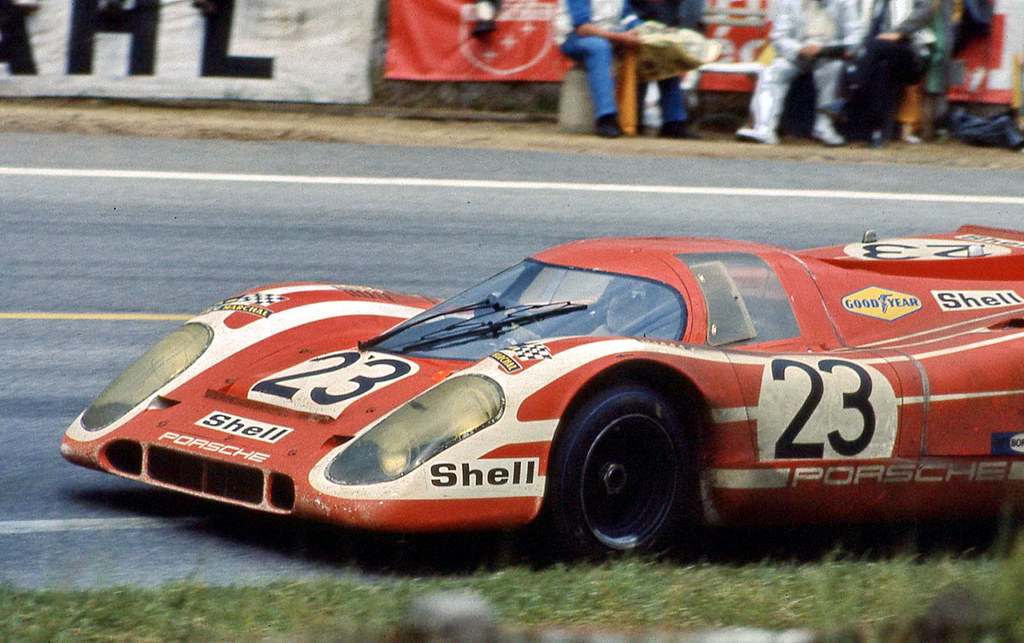
Hans Herrmann, the quiet specialist who delivered Porsche its first overall triumph at the 24 Hours of Le Mans and then walked away from frontline racing on his own terms, has died at the age of 97. His passing closes a chapter that stretches from the dangerous open-road marathons of the 1950s to the dawn of the modern sports prototype era. For Porsche and generations of endurance fans, his name is shorthand for both relentless speed and remarkable survival.
Born into a Germany rebuilding from war, Herrmann rose from local competitions to the pinnacle of international motorsport, leaving a legacy that spans Formula 1, the Mille Miglia and, most indelibly, Le Mans. His career, and the way he chose to end it, helped define what it meant to be a professional racing driver in an era when the risks were brutally clear.
The road to Porsche legend
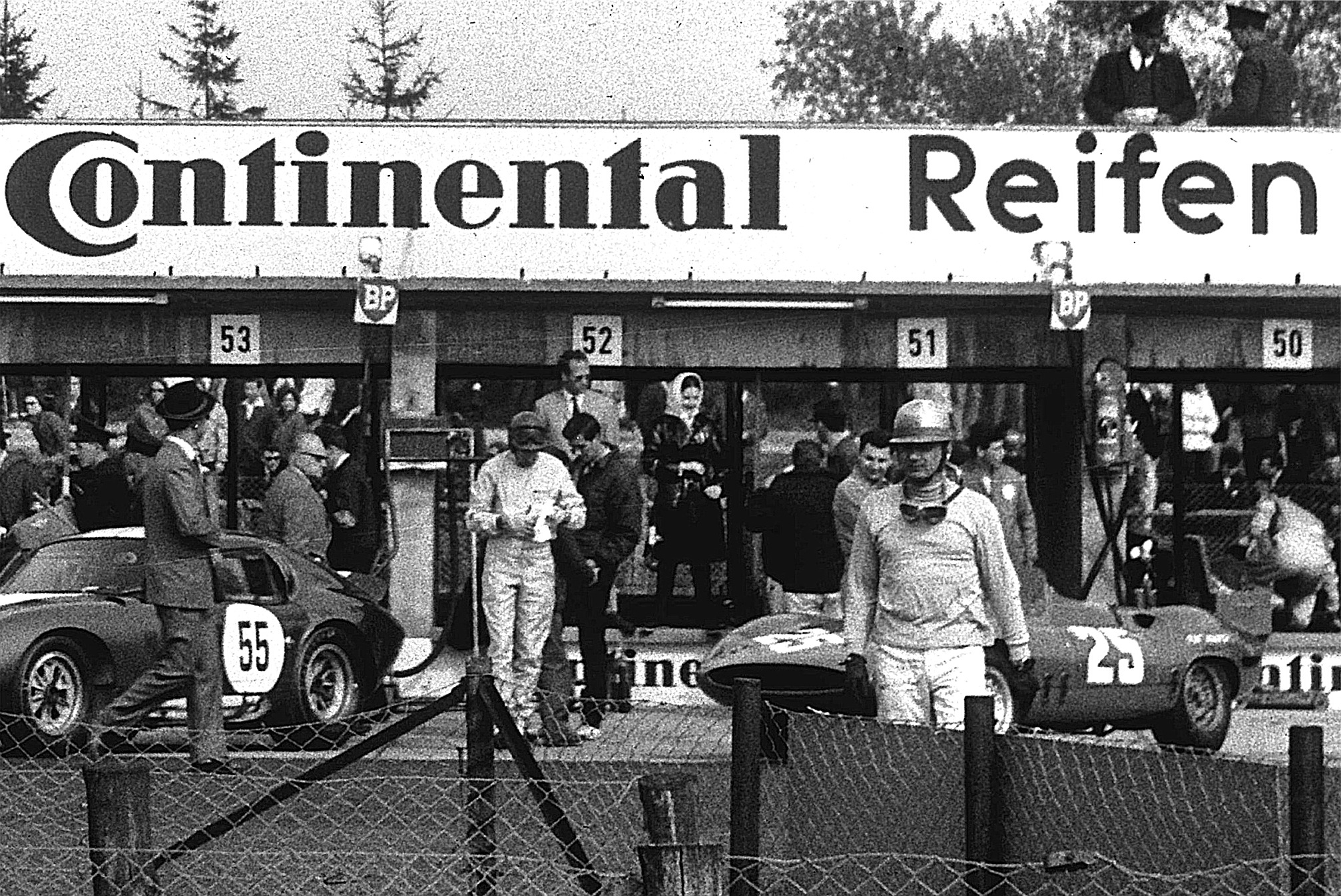
Hans Herrmann was Born on 23 February 1928 in Stuttgart, Württemberg, Germa, a city that would become synonymous with German performance engineering. Growing up in the shadow of factories that built sports cars and racing machinery, he was well placed to turn mechanical curiosity into a profession. Using early contacts in the industry, Herrmann worked his way from local events into serious competition, quickly earning a reputation for speed and mechanical sympathy that made him a natural fit for factory teams.
By the mid 1950s he was already a fixture in elite paddocks, combining single-seater outings with long-distance sports car events. As a young driver he became part of the history of Mercedes-Benz, racing in an era when the Silver Arrows were redefining grand prix and endurance standards. Later, his name would be inseparable from Porsche, where he evolved from promising recruit to trusted veteran. That trajectory, from Stuttgart hopeful to global figure, is central to why his death at 97 resonates so strongly across the sport.
Survivor of racing’s most dangerous era
Herrmann’s legend is not only about trophies, it is also about the accidents he survived in a period when fatality was an accepted occupational hazard. One of the most vivid examples came at AVUS, where, as recalled in a Two Lines Tuesday reminiscence, Hans Herrmann crashed after losing all brakes heading into the hairpin. That he walked away from such a failure underlines both the fragility of the machinery and the composure required to race it at the limit.
Another notorious incident, captured graphically on film, saw him thrown clear of a crashing car, with observers later noting that Thankfully Hans’ was thrown out of the car and hence his injuries were relatively minor. In an age before modern crash structures and energy-absorbing barriers, such escapes fed the nickname “Hans im Glück” and reinforced his status as a driver who understood exactly how thin the line between glory and disaster could be.
Le Mans, Mille Miglia and the decision to stop

Herrmann’s competitive peak came in the great endurance classics, where his blend of speed and mechanical sympathy was most valuable. His career was marked by numerous victories and unforgettable moments at Le Mans and the Mille Miglia, achievements that helped establish him as one of Porsche’s most successful factory racing drivers. The manufacturer itself has highlighted how Hans Herrmann’s career intertwined with its rise from class contender to outright favourite in international sports car racing.
That journey culminated in the 24 Hours of Le Mans, where he helped give Porsche its first overall victory in the 24 Hours of Le Mans and, in the process, secured his own place in company folklore. Tributes have stressed that Sports car racing Hans Herrmann was instrumental in that breakthrough, which transformed Porsche from perennial challenger into a benchmark for endurance success.
From Formula 1 to Porsche’s first Le Mans win
Before that defining Le Mans triumph, Herrmann had already sampled the sharp end of single-seater competition. After his stint in F1, Hermann kept racing, finding success in endurance and touring machinery that better suited his mechanical feel and strategic patience. In the second year running the Porsche 917, he and his team converted that experience into the outright win that had eluded the marque, a progression recalled in detail in accounts of how Hans Herrmann became Porsche First Le Mans Winner.
That success was the product of years of incremental gains and near-misses, including the famous duel with Jacky Ickx when Herrmann finished second by around 100 metres. Reflecting on that race, he later said, “That’s why I stayed out,” a reference to his decision not to pit in the closing stages, a moment captured in a retrospective on how Racing driver Hans ended his career. The narrow defeat to Jacky Ickx by exactly 100 metres only sharpened his determination to return and finally deliver the victory that would define both his career and Porsche’s endurance identity.
Retirement on his own terms and a long life remembered
What sets Herrmann apart from many of his contemporaries is that he chose to step away from frontline racing immediately after achieving his greatest success. In later interviews he explained that once he had secured Le Mans for Porsche, he did not want to press his luck any further. That decision, made in an era when drivers often raced until injury or worse intervened, has been cited as evidence of his clear-eyed realism about the sport’s dangers and his own mortality, a theme echoed in reflections on how Victoria Beaver described his place in the history of Mercedes-Benz and Porsche.
News of his death has prompted a wave of tributes from across the motorsport world, from formal statements to social media posts. One widely shared message described Hans Herrmann as Porsche’s first 24 Hours of Le Mans winner and the last link to a formative era, noting the 33 comments that quickly accumulated beneath the tribute. Another reflection simply called him a Racing driver Hans Herrmann and an “Absolute legend,” a sentiment that captures how a man who started in the fragile machinery of the 1950s could live to 97 and see his achievements appreciated by new generations of fans. For many, from Jan to longtime observers of Le Mans and Mille Miglia history, the phrase Thankfully Hans now carries a double meaning: gratitude that he survived racing’s most perilous years, and appreciation for the legacy he leaves behind.
More from Wilder Media Group: