

Automakers spent years pitching a rapid leap from gasoline to fully electric vehicles, but the market has not moved in a straight line. Slower EV adoption, infrastructure gaps, and cost pressures are pushing companies back toward hybrids as a pragmatic middle step. Instead of a detour, the renewed focus on hybrid technology is emerging as a central pillar of how carmakers plan to cut emissions while still selling vehicles that fit drivers’ budgets and daily routines.
That shift is visible from factory floors to dealer lots, where hybrid badges are reappearing on everything from compact crossovers to full-size pickups. The industry is betting that pairing combustion engines with electric motors can keep efficiency gains coming even as charging networks, battery supply chains, and consumer confidence take longer to catch up.
Hybrids hit a consumer “sweet spot” that pure EVs have not yet matched
For many buyers, hybrids solve the math problem that pure EVs still struggle with: upfront price versus long term savings and convenience. One industry analyst told Tech Brew that hybrids represent a “sweet spot,” because they pair combustion engines with electric motors to deliver better fuel economy without demanding a lifestyle change around charging. That balance is especially attractive to drivers who lack home chargers or who regularly travel long distances, but still want to cut fuel use and emissions.
The financial case is just as important. According to guidance on Fuel Savings and, hybrid cars typically achieve about 20 to 35 percent better fuel economy than comparable gasoline models, and they can run on battery power at low speeds while keeping a gas engine in reserve. That combination reduces fuel bills and range anxiety at the same time, which helps explain why a hybrid-car comeback is being framed as great news for drivers’ wallets in broader coverage of the market. As EV customer bases evolve and some early adopters hesitate over charging and resale values, reporting has noted that a hybrid-car comeback is reshaping how shoppers think about their next vehicle.
Automakers see hybrids as a strategic bridge, not a step backward
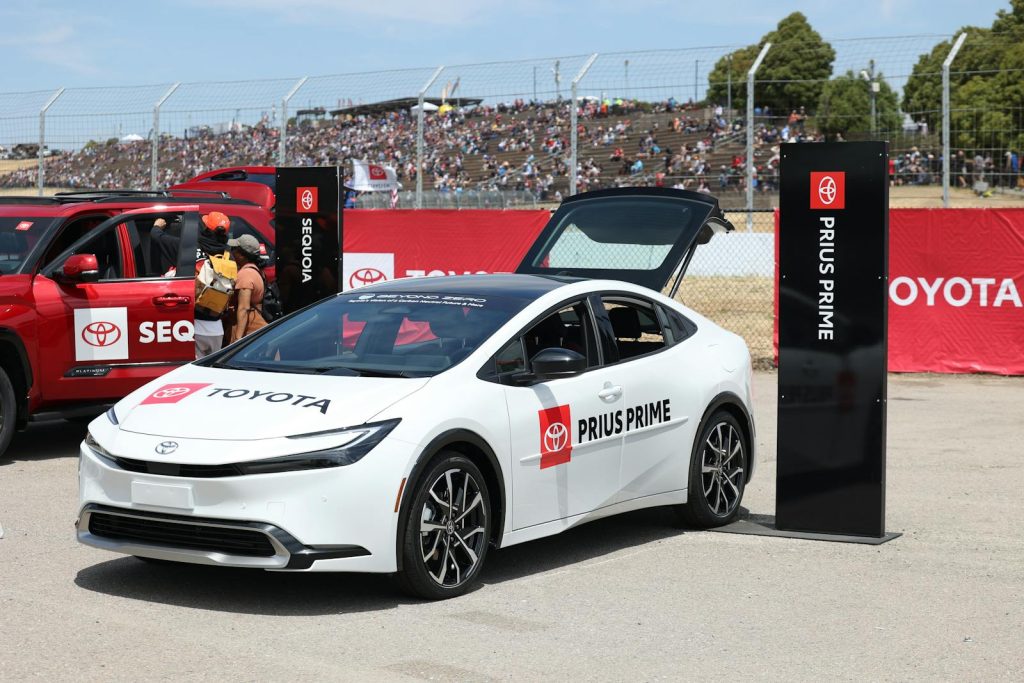
Inside boardrooms, hybrids are being treated less as a compromise and more as a hedge against uncertainty. Analysts tracking 2026 industry priorities describe hybrid vehicles as a crucial bridge toward wider electrification, noting that policies have shifted and EV sales growth has cooled even as emissions rules tighten. One forecast of Hybrid trends highlights that using hybrids to meet near term climate targets buys time for charging infrastructure and grid capacity to catch up, while still cutting fuel consumption across large fleets.
Major manufacturers are reorganizing around that logic. In North America, automakers are retooling plants so that hybrid vehicles can roll down the same lines as gasoline and electric models, even though Designing platforms that accommodate both propulsion systems forces engineering compromises. Executives see those compromises as a tactical tradeoff that spreads risk, rather than betting the company on EVs alone. That same calculus is evident in comments from Stellantis chief executive Carlos Tavares, who has stressed that Stellantis remains efficient by using five platforms globally across 14 brands to cover various vehicle sizes, and that mixing hybrids with combustion and electric models is probably the best strategy. His remarks on Tavares and the Stellantis approach echo broader reporting that automakers are not backing off electrification, but are sequencing it through hybrids.
Toyota, Stellantis and the model pipeline show how big the bet has become
The clearest signal of how committed companies are to this path comes from product planning. Two people familiar with Toyota product discussions have said the company is highly likely to drop gasoline only versions of some models in favor of hybrid only lineups, a shift that has not previously been reported in such detail. Those sources described how Two insiders see Toyota’s hybrid strategy as a way to keep vehicles affordable while still cutting emissions, since the electric motors can handle more of the work in city driving and their gasoline engines are required less often. That philosophy is already visible in the model pipeline, where upcoming 2026 offerings such as a Toyota RAV4 Woodland Edition are being highlighted in a Hybrid Comeback Tour of the best new hybrid cars worth waiting for.
Stellantis is moving in parallel. Reporting on returning demand for hybrid vehicles notes that more hybrids are being added across its 14 brands, with Carlos Tavares again emphasizing that using shared platforms keeps Stellantis efficient while it layers in plug in and conventional hybrids alongside combustion models. That strategy is not limited to new cars either. As gas prices fluctuate and shoppers look for value, hybrids are becoming some of the best deals in the used market, with analysts pointing out that their lower fuel costs and strong reliability make them stand out in the Used Market. Together, these moves suggest that hybrids are not a temporary fallback from an EV future, but a long term fixture in automakers’ product maps.
More from Wilder Media Group: