
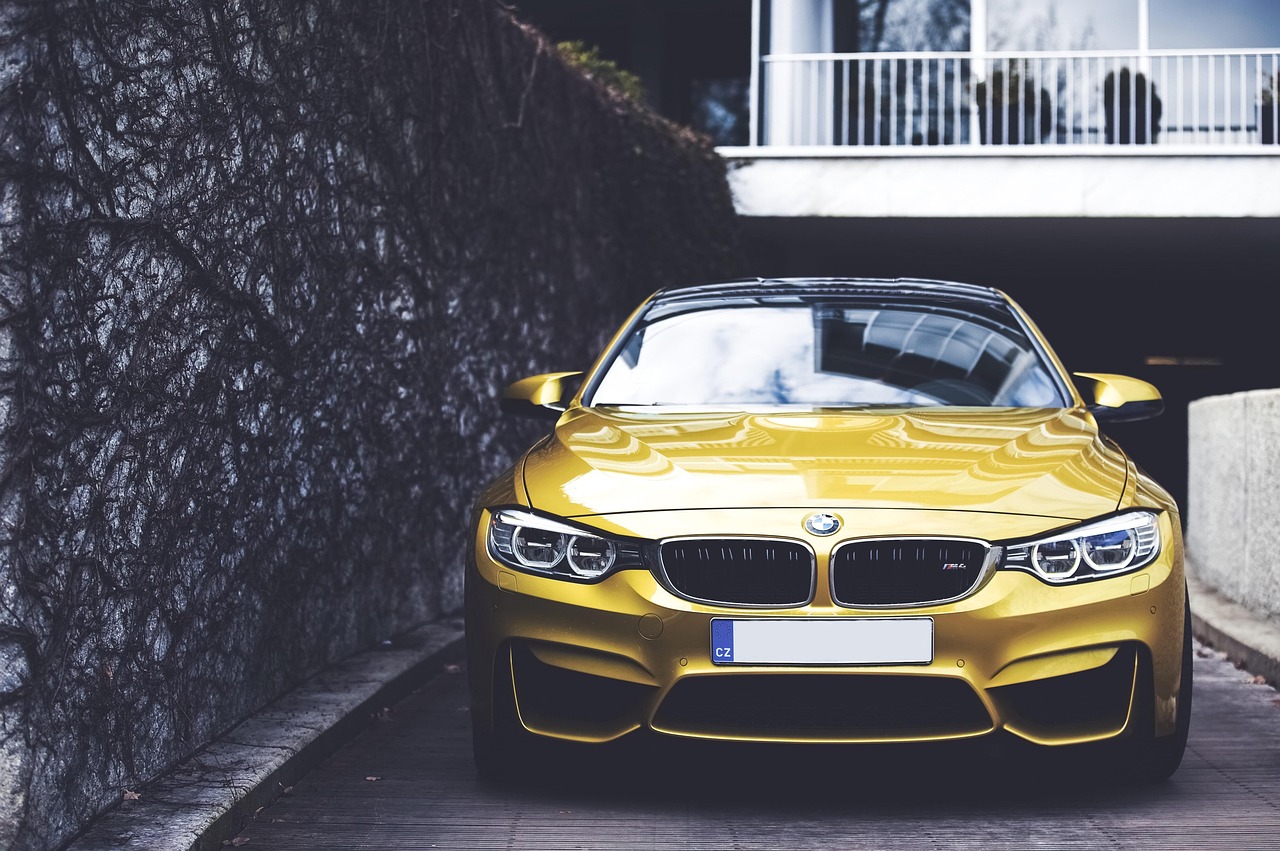

BMW has detonated one of the boldest price cuts yet in the world’s most competitive electric vehicle arena, trimming some Chinese sticker prices by as much as $42,000. The move turns premium EVs that once signaled exclusivity into weapons in a brutal volume race, and it underlines how far global brands are now willing to go to stay relevant in China. As rivals respond with their own discounts and financing tricks, the country’s car market is sliding deeper into a structural price war that regulators already fear could spiral.
BMW’s $42,000 shock and the luxury squeeze
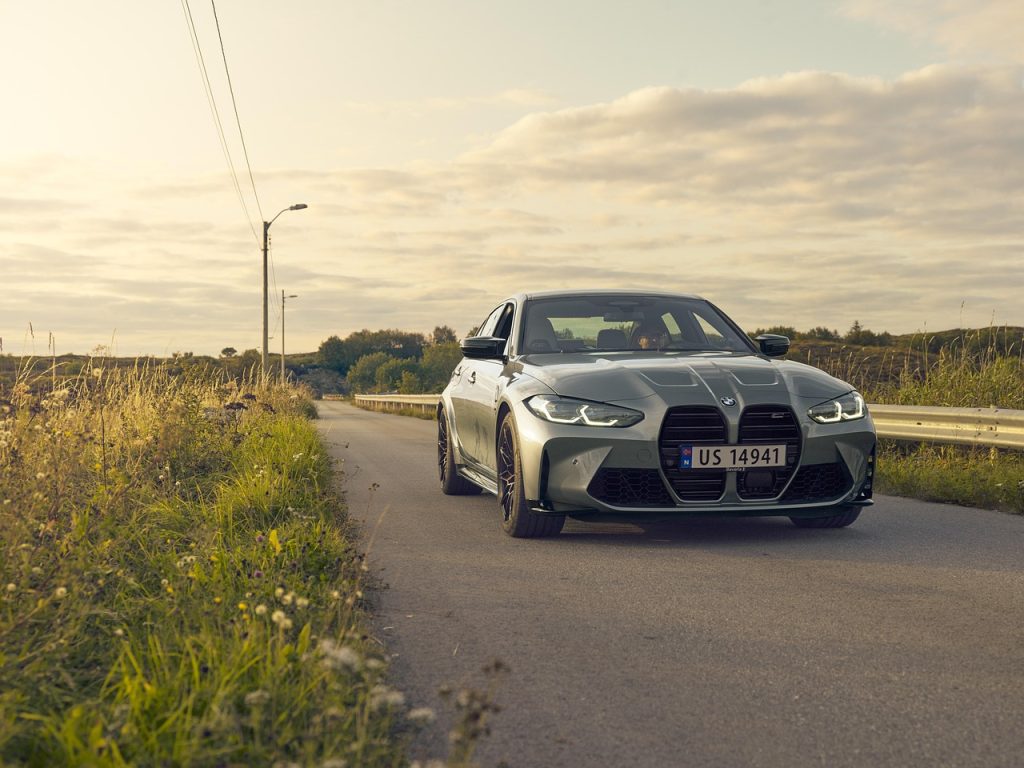
BMW has quietly redrawn the value map for upscale EVs in China, cutting official guide prices across 31 models in a sweeping reset that took effect at the start of Jan. The most eye catching reductions reach roughly $42,000 on certain electric flagships, a scale that would be unthinkable in most mature markets but has become necessary as domestic competitors crowd into the premium segment and buyers grow accustomed to bargaining hard at showrooms. The breadth of the cuts, which span core models such as the BMW iX1 and other battery powered variants, signals that the company is not just tweaking incentives but recalibrating what a German luxury badge is worth in the world’s largest auto market.
Executives have pushed back on the idea that BMW is launching a price war, framing the move as a targeted response to shifting demand and a way to align official stickers with what customers were already negotiating on the ground. Yet local reporting describes how the brand’s China operation has reduced recommended retail prices by up to 24 percent across more than 30 models, from entry level trims to high performance versions, in an attempt to arrest falling sales and shore up its position against aggressive Chinese EV specialists. Analysts note that the decision follows a year in which domestic makers steadily ate into the company’s market share, forcing BMW to accept thinner margins in China in order to keep factories running and protect its broader global scale.
Price war logic: from BMW to Tesla, Xiaomi and BYD
BMW’s reset is dramatic, but it is not happening in isolation. Over recent months, Carmakers across China have rolled out a new wave of discounts and subsidies, with BMW, Tesla and Xiaomi all unveiling deep cuts or generous incentives even as officials in Beijing warn about the risk of a deflationary spiral in the auto supply chain. Fourteen brands have launched fresh offers in the latest round alone, ranging from direct sticker reductions to free insurance and trade in bonuses, as global automakers and their dealers scramble to clear inventory and keep production lines humming in a cooling economy. The Chinese government has signaled unease that relentless undercutting could squeeze parts makers and dealers to the breaking point, yet so far the competitive logic has proved stronger than regulatory caution.
The pressure is most acute in the country’s New energy vehicle segment, where battery electric and plug in hybrid models have shifted from hyper growth to a slower, more mature phase. Industry forecasts suggest that sales of these NEVs will expand only modestly this year after surging previously, even as manufacturing capacity continues to ramp up and export channels face political and logistical headwinds. That imbalance is already fuelling an extended domestic price war, with surplus vehicles pushing companies to sacrifice profit for volume and to experiment with new tactics such as bundled charging, free winter tires or enhanced battery swapping to keep customers engaged. For investors, the question is no longer whether prices will fall, but which brands can survive long enough to benefit from the eventual shakeout.
How Chinese rivals are rewriting the EV playbook
Local champions are not standing still while foreign brands slash prices. Hong Kong listed BYD, which has become a benchmark for cost efficient EV manufacturing, has already shown a willingness to cut into its own margins, with its shares dropping as much as 8.25 per cent after it announced another round of reductions to defend market share. Other Chinese groups are leaning on creative financing rather than headline sticker cuts, with Tesla, Xiaomi and others promoting extended payment plans, low down payments and even five year zero interest options to keep monthly costs within reach of middle class households. These tactics allow manufacturers to advertise stability on list prices while still delivering meaningful savings to buyers who are increasingly sensitive to total cost of ownership.
Global brands are being pulled into the same game. BMW, VW, GM and several other foreign automakers have joined the latest wave of China discounts, defying earlier guidance from regulators and industry associations that urged restraint on sales incentives and subsidies. In parallel, BMW China has officially announced that its own sweeping adjustment to recommended retail prices is designed to counter fierce market competition in 2026, a candid acknowledgment that the old premium playbook no longer works in a market where domestic SUVs and sedans can match or beat German rivals on technology and range. With NEV sales growth slowing, electric truck operators grappling with winter range losses and a growing surplus of vehicles across segments, the entire ecosystem is being forced to prioritize scale and survival over short term profitability.
The stakes extend beyond corporate earnings. The Chinese government is worried that a prolonged bout of discounting could damage the country’s supply chain by forcing auto parts makers and smaller dealers out of business, a concern echoed by the China Automobile Dealers Association as it tracks shrinking margins at the retail level. Yet for now, the competitive dynamics are running ahead of policy, and BMW’s $42,000 shock in China looks less like an outlier than a preview of how far even the most established brands may have to bend as the global EV market’s center of gravity continues to sit in Beijing’s backyard.
More from Wilder Media Group: