
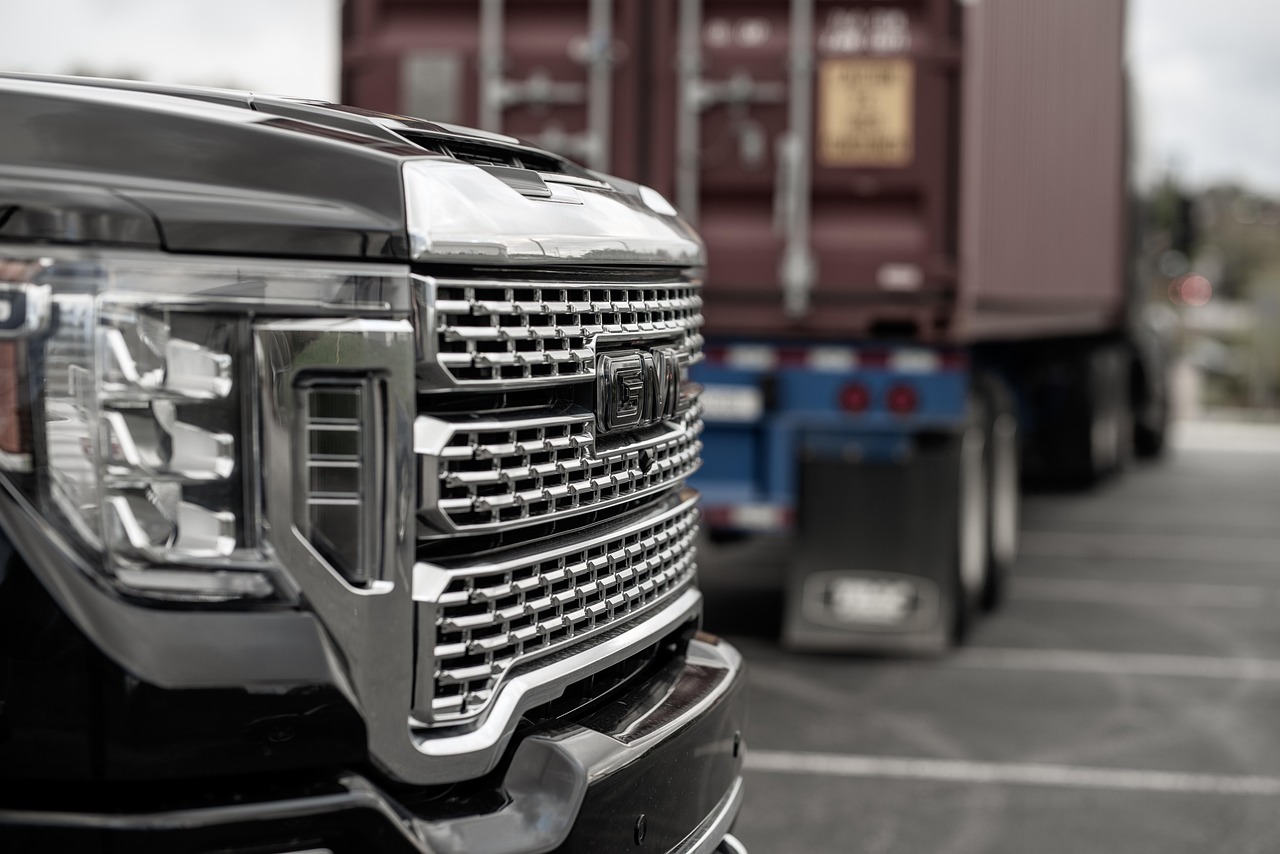

GM truck loyalists are lining up behind an old-school idea for the next small block V8: bring back thicker oil. After years of ultra-thin factory fill, many owners say the experiment has run its course and the tradeoffs are showing up in their wallets and on their dipsticks. The debate is no longer just about feel or nostalgia, it is about reliability, resale value, and whether General Motors is really listening to the people who tow, haul, and daily these trucks.
At the center of the push is a simple argument. If the next-generation V8 is going to power Chevrolet Silverado 1500 and GMC Sierra 1500 workhorses for hundreds of thousands of miles, then the lubrication strategy needs to match that mission. Owners are not asking for race oil or exotic blends, they are asking General Motors to move away from the thinnest possible viscosities and toward something that can better protect an engine as it ages.
Why GM truck owners are done with ultra-thin oil

For more than a decade, General Motors has leaned heavily on very low viscosity oil in its small block V8s, chasing fractional gains in fuel economy and emissions. That decision looked smart on paper, but a growing crowd of GM truck owners now links those thin blends to real-world problems like higher oil consumption and noisy valvetrains as engines rack up miles. In their view, the next small block V8 should be engineered around a thicker baseline oil that can maintain a stronger film between moving parts once tolerances inevitably open a bit with age, a concern that has been echoed in coverage of why GM owners are pushing for change.
Owners are not just venting on forums, they are pointing to specific pain points. Reports of engines using more oil than expected, especially under towing or high-speed highway use, have become a rallying cry for drivers who bought 5.3 liter and 6.2 liter trucks expecting long-haul durability. Some of those drivers argue that a slightly thicker oil would better resist breakdown under heat and load, cutting consumption and helping keep catalytic converters cleaner over time. The frustration is sharpened by the sense that the current oil strategy may protect corporate fuel economy numbers more than it protects a Silverado 1500 or Sierra 1500 that is still making payments.
Past problems, recalls, and the push for a different fix
The call for thicker oil is not happening in a vacuum. General Motors has faced substantial scrutiny over lubrication-related issues in its modern V8s, including problems tied to the 6.2 liter engines used in high-trim Chevrolet Silverado 1500 and GMC Sierra 1500 models. Coverage of those issues has highlighted how sensitive these engines can be to oil quality and viscosity, and how that sensitivity can translate into expensive repairs for owners once the trucks are out of warranty, a pattern that has been laid out in detail around past problems with these powertrains.
Those concerns have only grown as more information has surfaced about how General Motors is handling known engine issues. In one example, Clark Greer GM is recalling hundreds of thousands of 6.2L engines, and for trucks that have not yet failed, the prescribed fix is not a hardware change but a new maintenance routine that tells owners to change their oil more frequently. For many enthusiasts, that is proof that the lubrication envelope is too tight. If a factory engine needs shorter intervals just to stay alive, they argue, then the underlying oil spec is not robust enough for the way these trucks are actually used.
Enthusiasts, polling data, and what they want next
Against that backdrop, the enthusiast community has started to organize its wish list for the next-gen small block V8. Coverage of the debate has noted that many GM fans want a return to thicker oil for the next generation, and that General Motors may finally be open to that conversation after years of fielding complaints. Some of those same reports frame the shift as part of a broader effort to turn past lubrication headaches into oil solutions that keep engines healthier deeper into their service life, especially for owners who tow regularly or keep trucks well beyond the first owner.
The push is backed by data, not just anecdotes. Community Speaks Through Polling Data has become a rallying phrase after GM Authority surveyed its readership about what oil weight should be used in the next V8. That poll, which has been cited in coverage of how Authority readers feel about the issue, found strong support for moving away from the thinnest oils in favor of a more protective viscosity that can carry engines through long warranty periods without expensive repairs. Enthusiasts argue that if the community is this unified, General Motors should treat that feedback as a design input, not background noise.
Why thicker oil feels like the safer bet for the next small block
At the heart of the argument is reliability. Owners who have lived through lifter failures, oil consumption battles, and noisy cold starts on thin oil are convinced that a slightly thicker blend would give the next small block V8 a bigger safety margin as parts wear. Some of the most vocal critics point to discussions where GM owners explicitly tie thinner oil to reliability issues, arguing that the next engine should be spec’d for a viscosity that can better cushion bearings and cam lobes when the odometer is deep into six figures.
That sentiment is echoed in broader coverage of the debate, which notes that Jan, Owners Want Thicker Oil In The Next, Gen, Here, Why, and General Motors are all part of a larger tug-of-war between efficiency targets and durability expectations. Enthusiasts who follow Jan and similar discussions about GM truck tech argue that the next small block V8 is the perfect moment to reset the balance. They point to analysis explaining that for more than a decade GM has prioritized thin oil for marginal fuel savings, while critics counter that a modestly thicker factory fill would still meet modern standards but provide extra protection once tolerances inevitably open a bit, a case that has been laid out in detail in coverage of why truck owners want a return to thicker oil.
More from Wilder Media Group: