

Florida’s drag racing scene is suddenly at the center of a national argument over how prepared grassroots motorsports really are for electric cars. Orlando Speed World Dragway has barred fully electric vehicles from competition and testing, citing safety risks that track officials say they are not equipped to manage. The decision has energized a broader debate over whether local tracks should adapt to high-voltage technology or keep it off the strip until emergency protocols catch up.
How Orlando’s EV Ban Came About
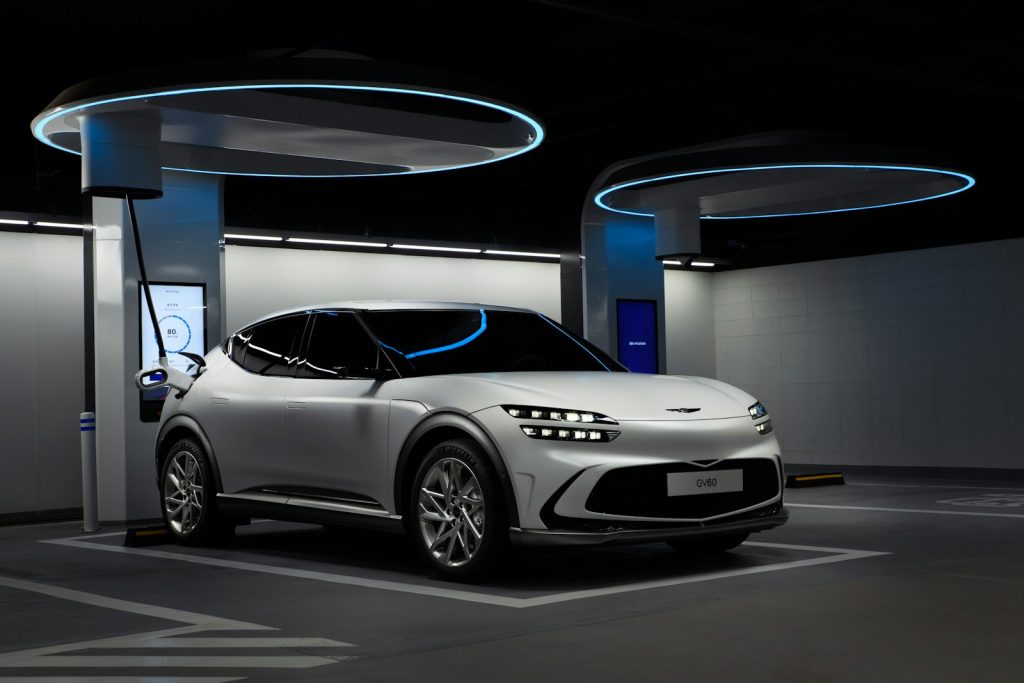
Orlando Speed World Dragway did not stumble into this controversy by accident, it arrived here after a deliberate review of what happens when something goes wrong with a battery-powered car at triple-digit speeds. Track management announced that fully electric vehicles would no longer be allowed to compete or participate in test-and-tune sessions, framing the move as a necessary step to protect racers, staff, and spectators. The facility, located east of downtown Orlando, has long been a hub for local and regional drag racing, and its choice to exclude EVs signals that the transition to electric performance is colliding with the realities of small-venue safety planning.
In a public statement, the track said the ban followed a review of emergency response procedures and consultation with safety personnel who would be first on scene if a high-voltage crash occurred. Officials pointed to concerns about battery fires, the risk of electric shock, and the difficulty of towing or moving a damaged EV with conventional equipment, all of which they argued could slow response times and put workers in danger. That rationale was echoed in outside coverage that described how the track’s leadership weighed these hazards before deciding that, for now, electric cars would not be part of the program at Orlando.
What Exactly the Ban Covers
The policy at Orlando Speed World Dragway is not a half measure, it is a blanket prohibition on fully electric vehicles in organized on-track activity. Reporting on the decision notes that the track has barred EVs from all competition categories as well as from open testing and casual “run what you brung” nights, closing off the most accessible entry points for local owners who want to see what their cars can do in a controlled environment. That means a Tesla Model S Plaid lining up for a grudge race is treated the same as a purpose-built electric dragster, both are now sidelined.
The track’s stance is focused on vehicles that rely entirely on battery power, rather than hybrids or traditional internal combustion entries. Coverage of the move describes Orlando Speed World Dragway as an NHRA member facility that has “decided to ban fully electric vehicles from competition, including test-and-tune nights,” language that underscores how comprehensive the rule is for anyone driving an all-electric car. The same reporting emphasizes that the ban applies to “all-electric vehicles” at the NHRA member track, leaving little ambiguity about who is affected.
The Safety Fears Driving the Decision
At the heart of Orlando’s move is a belief that the risks tied to high-voltage drivetrains are fundamentally different from those of gasoline-powered race cars. Track officials and commentators have highlighted the potential for lithium-ion battery packs to enter thermal runaway after a crash, creating fires that can reignite even after appearing to be extinguished. They have also raised alarms about the possibility of damaged wiring or exposed components energizing the chassis, which could shock a driver, a corner worker, or a firefighter who touches the vehicle without specialized gear.
One detailed account of the ban explains that Orlando Speed World Dragway’s leadership was particularly concerned about scenarios in which a driver is unconscious and responders must cut into the car to extract them. In that situation, cutting through high-voltage cables or battery enclosures could be catastrophic if crews are not trained to identify and avoid those components. The same reporting notes that the track’s review of emergency procedures led it to conclude that its current staffing, tools, and training were not sufficient to handle a worst-case EV crash, a conclusion echoed in coverage that describes how the track “has ignited a new debate” by citing these specific hazards at Orlando Speed World.
How EV Fires Differ From Gasoline Incidents
Traditional drag racing culture is built around managing the dangers of gasoline and nitromethane, but lithium-ion batteries behave very differently when they fail. Reports on the Orlando decision emphasize that battery fires can burn hotter and longer than fuel fires, sometimes requiring tens of thousands of gallons of water to cool a pack that is in thermal runaway. Even after a blaze appears to be out, cells can reignite hours later, a pattern that complicates how a track handles a wrecked car sitting in the pits or on a tow truck.
Commentary on the ban notes that prolonged heat exposure is a particular concern, because a pack that has been stressed by repeated hard launches and rapid charging may be more vulnerable if it is then damaged in a crash. One analysis of the situation points out that electric vehicles have become a viable transportation option and that people naturally want to see how they perform at the strip, but it also stresses that the chemistry of their batteries introduces new failure modes that grassroots tracks are still learning to manage. That piece highlights the risk of thermal runaway “due to prolonged heat exposure” in the context of the Orlando decision, underscoring why some operators view EVs as a different class of hazard at Like.
Why Orlando’s Move Resonates Beyond One Track
Orlando Speed World Dragway’s ban is not happening in a vacuum, it is part of a pattern of smaller venues wrestling with how to integrate electric cars into environments built around internal combustion. Coverage of the decision notes that the Florida facility has now joined several other drag strips that have already barred EVs from competition over similar safety concerns. That context matters, because it suggests that the issue is not just one track’s conservatism but a broader unease among operators who share the same insurance pressures, volunteer fire crews, and limited budgets.
One report explicitly frames Orlando Speedworld Dragway as having “now joined several other drag strips in banning electric vehicles from competition due to safety concerns,” language that places the Florida track in a growing cohort rather than as an outlier. The same coverage points out that the worries are not abstract, they revolve around specific scenarios in which a responder might be forced to approach a smoking or damaged EV and could be exposed to both fire and electric shock. That framing reinforces why the decision at Orlando Speedworld Dragway is being watched closely by other grassroots venues.
Inside the Track’s Public Justification
When Orlando Speed World Dragway went public with its new policy, it did so with language that tried to balance enthusiasm for performance with a sober assessment of risk. The track’s statement emphasized that the decision followed consultations with safety teams and a review of how quickly and effectively they could respond if an electric car crashed or caught fire. Officials argued that without specialized training and equipment, they could not guarantee the same level of protection for EV drivers and responders that they currently provide for gasoline-powered racers.
Reporting on the announcement describes how the track highlighted the difficulty of towing a damaged EV with conventional equipment and the possibility that a compromised battery pack could reignite after being moved. The same accounts note that the ban applies to all fully electric vehicles at the facility, including those participating in casual test-and-tune nights, which are often the first step for new racers. One detailed piece on the controversy explains that the Florida drag strip’s decision “highlights still-unresolved questions” about how to handle EV incidents at the grassroots level, capturing the tension behind the move at Florida Drag Strips.
How the EV and Racing Communities Are Reacting
The response from racers and enthusiasts has been sharply divided, reflecting a broader cultural split over electric performance. Some traditionalists see Orlando’s move as a reasonable precaution, arguing that local tracks should not be forced to become test beds for technologies they are not equipped to manage. Others, particularly EV owners who have invested in high-performance models, view the ban as a step backward that unfairly singles out their cars despite their strong safety records on public roads.
Social media has amplified those tensions, with videos and commentary dissecting both the technical risks and the optics of excluding a growing segment of performance enthusiasts. One widely shared clip asks why the track chose this moment to act and suggests that the timing reflects a build-up of unease over high-profile EV incidents elsewhere. The creator notes that “the second part of this question might be more important” and presses on “why they decided now to ban electric vehicles,” framing the Orlando decision as the result of mounting pressure rather than a single triggering event. That perspective has circulated heavily in discussions of the result However Orlando Speedway Drag took.
The Role of Event Promoters and Sanctioning Bodies
Orlando Speed World Dragway’s policy is not just a track-level issue, it also reflects the influence of event organizers who rent the facility and bring their own risk calculations. One prominent promoter, That Racing Channel, issued a statement labeled as a press release that said an electric vehicle ban would be effective immediately for all of its events at the Orlando venue. The message, shared on social media, made clear that the decision was coordinated with the track and would apply to Thursday night gatherings that often draw a mix of street cars and purpose-built racers.
The same announcement used emphatic language, including “PRESS RELEASE / EFFECTIVE IMMEDIATELY FOR ALL TRC EVENTS,” to underline that the policy was not tentative or limited to a single show. It also framed the move as a way to “continue Orlando Speed World Dragway” events without exposing staff and participants to risks that organizers felt unprepared to manage. That stance, captured in the PRESS release, underscores how promoters and track owners are aligning their policies as they confront the same set of EV-related questions.
What Comes Next for EVs at Grassroots Tracks
Orlando’s decision has sharpened a key question for grassroots motorsports, will local tracks invest in the training and equipment needed to welcome electric cars, or will they keep them on the sidelines until national standards emerge. Some observers argue that the ban could be a catalyst for clearer guidance from sanctioning bodies and manufacturers, including standardized procedures for disabling high-voltage systems after a crash and better labeling of cut zones for rescue crews. Others worry that if more venues follow Orlando’s lead, EV owners will be pushed toward unsanctioned street racing or private events with even fewer safeguards.
The debate is unfolding against a backdrop of rapid EV adoption in Florida, where high-performance models are increasingly common on the roads around Orlando and other metro areas. The region’s motorsports infrastructure, from drag strips to road courses, now faces pressure to adapt to that reality without compromising safety. The physical footprint of Orlando Speed World Dragway, visible in mapping tools that show its long straight strip and surrounding facilities, underscores how central such venues are to the local car culture at Orlando Speed. Whether the current ban proves to be a temporary pause or the start of a longer exclusion will depend on how quickly the safety infrastructure for electric racing can catch up.
More from Wilder Media Group: