
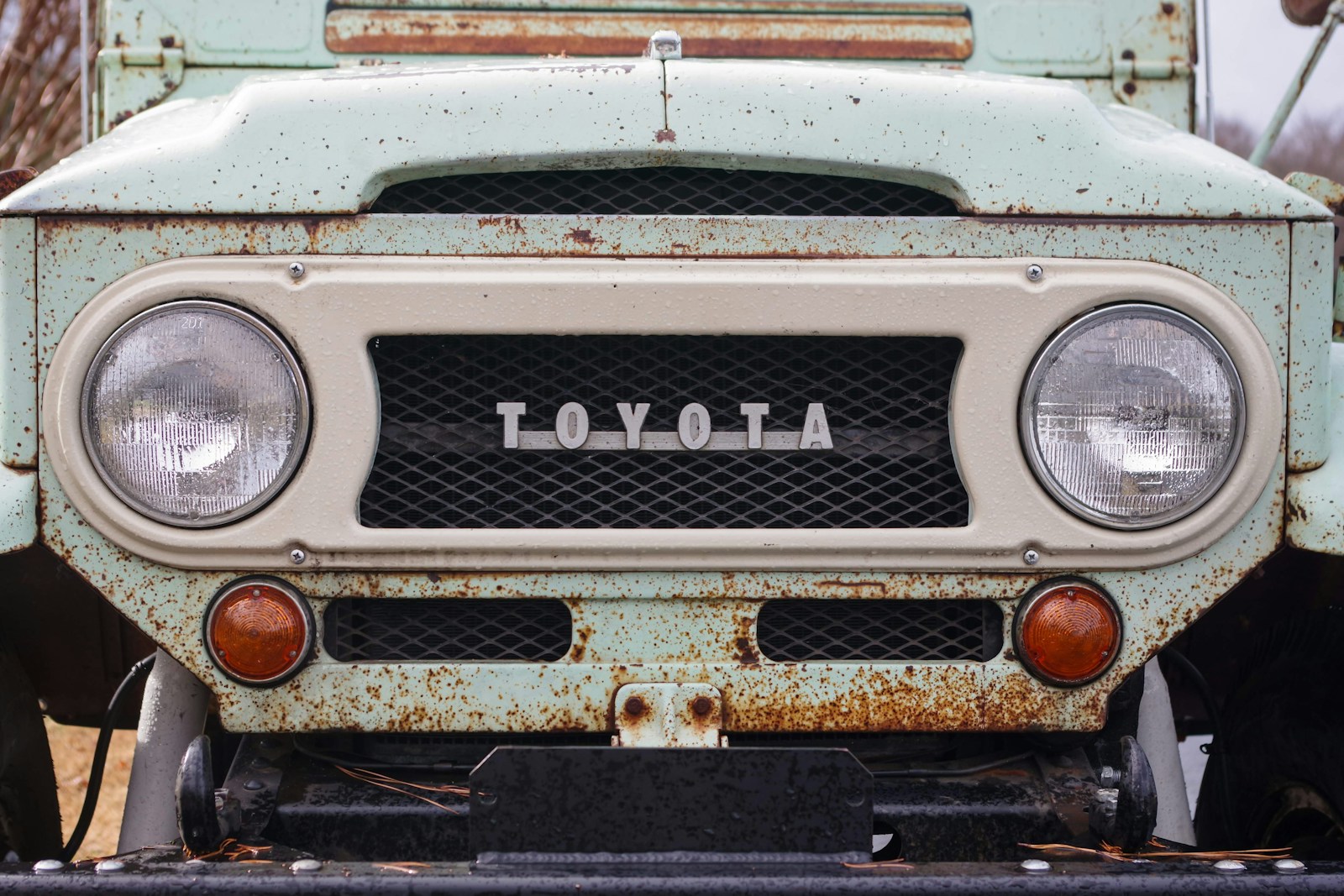

In a world of turbocharged everything and disposable platforms, one Japanese inline-six has quietly refused to retire. Toyota’s 1HZ diesel has been working hard for roughly a quarter of a century in its current role, and the basic design has been around even longer, proving that slow and steady engineering can still win the long game. It is not glamorous, it is not fast, but it is so reliable that Toyota keeps finding reasons to keep it on the production line.
That stubborn longevity is not an accident. It is the result of a company that has built its reputation on durability, and of an engine designed from day one to shrug off abuse in places where breakdowns are more than an inconvenience. The 1HZ is the kind of powerplant that mechanics recommend to friends, fleets, and anyone who needs an engine that will still be running when the body has dissolved around it.
The Old-School Inline-Six That Refuses To Die
Toyota is certainly no stranger to reliability, and the 1HZ might be the purest expression of that mindset. While the brand has spent decades polishing its image as the safe bet for buyers, this particular inline-six has become a legend among people who care less about touchscreen size and more about getting home again. Reports on Toyota underline how the company leans on conservative engineering in markets where reliability is non‑negotiable, and the 1HZ sits right at the center of that strategy.
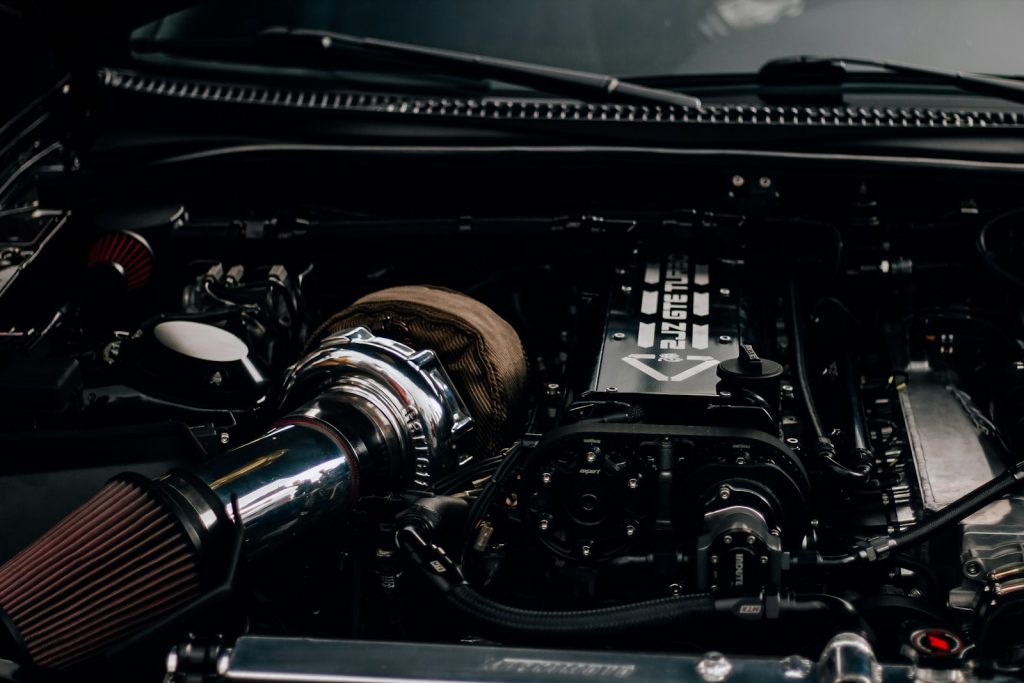
On paper, the engine is almost comically straightforward. The 1HZ is a 4.2-liter naturally aspirated inline-six diesel, built around a cast-iron block and designed to run without the electronic complexity that defines modern drivetrains. Technical references note that the 1HZ generates more power and torque than the older 2H diesel it replaced, and that, Despite being 35 years old, the core design is still in use. That kind of lifespan is almost unheard of in an industry that usually flips architectures every decade.
Why Mechanics Still Swear By The 1HZ
Ask people who turn wrenches for a living and the praise for this engine gets even more specific. Some mechanics go so far as to say that, Short of a few legendary small block V8s, the Toyota 1HZ is one of the oldest engines still in production that remains genuinely relevant. That is not nostalgia talking. It is a recognition that the 1HZ’s simple cast-iron block, forged crank, and mechanical fuel system are strong, predictable, and easy to keep alive in the field.
Owners and specialists point out that the 1HZ is famously tolerant of bad diesel and rough maintenance schedules, which is exactly why it continues to power workhorses like the Land Cruiser 70 Series. Coverage of the current Land Cruiser lineup notes that this engine is still bolted into brand‑new trucks sold in markets that prioritize durability over emissions tech. In those regions, the 1HZ’s reputation for shrugging off heat, dust, and overloaded trailers matters far more than a flashy power figure.
Built For Harsh Places, Not For Everyone
Part of the 1HZ mystique comes from the fact that it was never meant for every driveway. Toyota Never Offered 1HZ in the U.S., keeping it instead for markets where simple diesels still make sense. That decision reflects how Toyota tailors its powertrains, sending this engine to regions where emissions rules are looser and where a breakdown can mean being stranded hundreds of kilometers from the nearest workshop.
In those places, the 1HZ is not alone in its long career. Japanese brands have a habit of letting good engines run for decades, as seen with Honda’s K‑Series four‑cylinder that has been powering cars for 25 years. Reports on that engine note how, After more than a quarter century, its mix of reliability, longevity, and low running costs keeps it in showrooms. Follow‑up coverage adds that even after 25 years, the K‑Series is not going anywhere, and that Honda continues to build it because customers still want that proven formula.
How It Survives In A Tightening Diesel World
What really makes the 1HZ remarkable is that it is still being built at a time when diesel engines are under intense pressure. Industry analysis of How Toyota will continue diesel engines, in a Story by Jack Quick, highlights how the company is juggling stricter emissions rules with the reality that Australian buyers and others still love tough diesel workhorses. That balancing act explains why the 1HZ survives mainly in countries where regulations are less aggressive and where customers still demand a basic, fix‑anywhere powerplant.
On the ground, specialists confirm that the engine is not just a nostalgic footnote. A post from Berrima Diesel Service points out that the Problem with the 1HZ, from a modern business perspective, is that the parts do not fail often and, when they do, they are cheap to replace. That is great news for owners and terrible news for anyone trying to sell frequent repairs.
The 1HZ’s Place In Toyota’s Powertrain Family
Set against Toyota’s newer engines, the 1HZ looks almost prehistoric, yet it still has a clear role. The company’s more modern six‑cylinder workhorse is the 1GR‑FE, a naturally aspirated 4.0‑liter V‑6 gasoline engine that uses a similarly straightforward layout but adds modern controls to handle tougher emissions and fuel quality demands. Technical breakdowns of the Key features of the 1GR‑FE describe how it was engineered to cope with harsh conditions while still meeting modern expectations, which shows how Toyota has evolved the same basic philosophy for a new era.
That context makes the 1HZ’s ongoing production even more impressive. Toyota has newer, cleaner, and more powerful options ready to go, yet it keeps this old inline-six alive for customers who value certainty over sophistication. In a lineup that stretches from hybrid compacts to high‑tech V‑6s, the 1HZ is the stubborn outlier, a 35‑year‑old design that still earns its keep by starting every morning and getting the job done, just as it has for roughly 25 years in its current production run.
More from Wilder Media Group: