
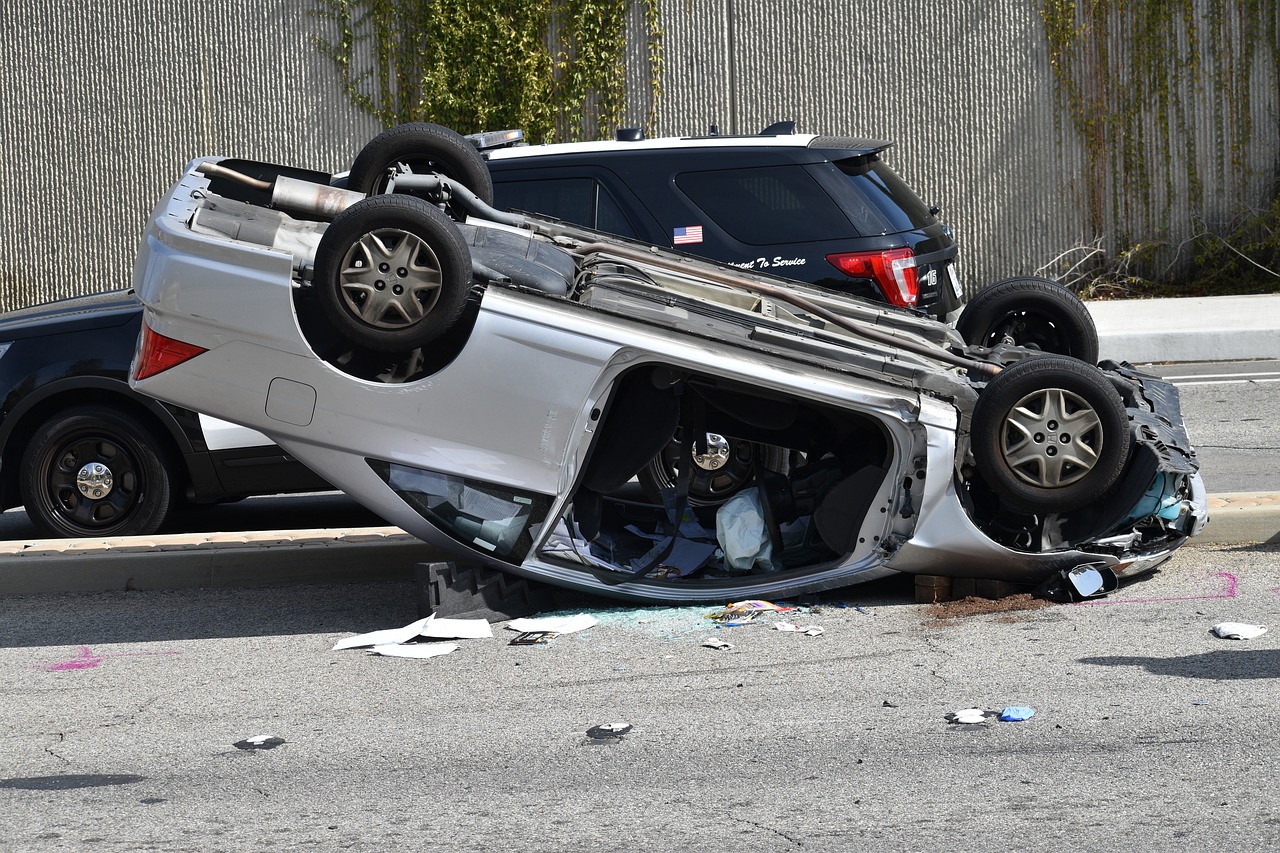

A deadly chain-reaction crash on southbound Highway 99 near Fresno turned a foggy stretch of roadway into a mass-casualty scene, leaving a 61-year-old man dead and dozens of drivers and passengers shaken. The California Highway Patrol is now piecing together how a wall of low visibility, fast-moving traffic, and split-second decisions converged into a pileup involving as many as 17 vehicles. Early findings point to a familiar Central Valley hazard that can turn an ordinary commute into a life-or-death emergency in seconds.
How a routine drive on HWY 99 became a mass-casualty pileup
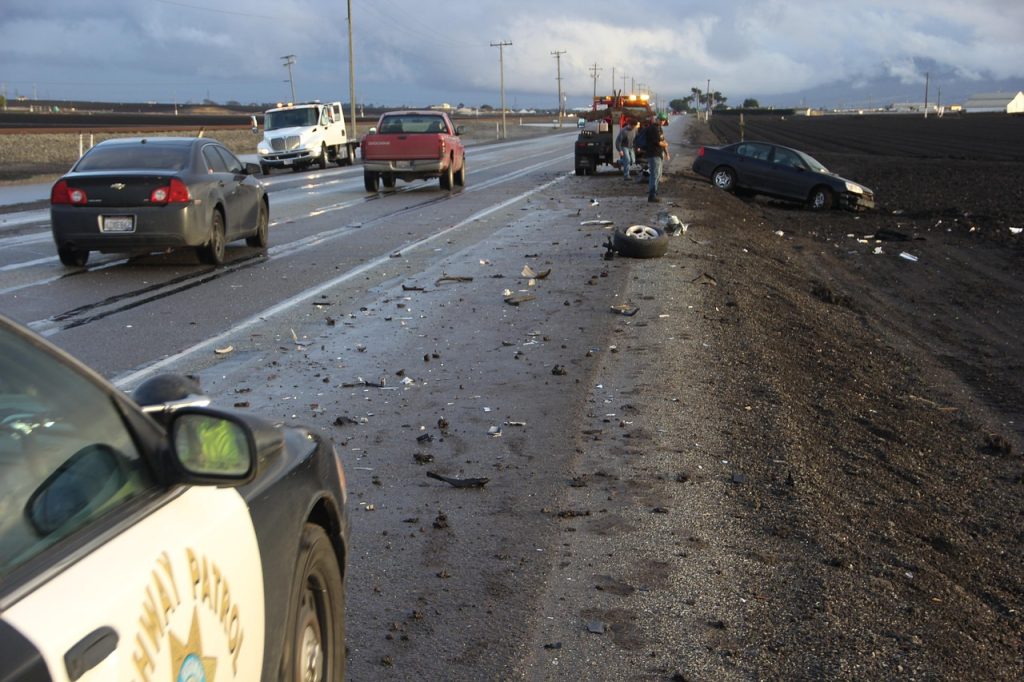
Investigators say the crash unfolded on the southbound lanes of HWY 99 as morning drivers moved through dense fog that had already slowed some vehicles to a crawl while others kept traveling at freeway speeds. According to the California Highway Patrol, at least 15 vehicles were initially reported in the chain of collisions, enough to shut down a section of the freeway and create long delays as traffic backed up behind the wreckage on southbound 99. The crash quickly escalated into a mass-casualty response, with first responders working between crumpled sedans, pickups, and commercial trucks to reach the injured and assess who could be moved safely.
CHP officials later clarified that up to 17 vehicles were ultimately involved as more cars and trucks became entangled in the wreckage or collided while trying to avoid it. Thick fog had reduced visibility to as little as 10 to 15 feet, a near whiteout that left drivers with almost no time to react once brake lights appeared in front of them on Hwy 99. CHP officers described a chaotic scene of spun-out vehicles, jackknifed trailers, and damaged guardrails as they shut down lanes, triaged injuries, and coordinated ambulances to carry multiple victims to nearby hospitals.
The 61-year-old Fresno victim and the fog that turned fatal
Amid the tangle of twisted metal, a 61-year-old Fresno man was identified as the only person killed in the crash, a stark reminder of how unforgiving Central Valley fog can be. Authorities said the 61-year-old was caught in the worst of the chain reaction as vehicles slammed into slowing or stopped traffic ahead. Coroner officials later confirmed that he lived in Fresno, underscoring how the tragedy struck a local resident on a familiar stretch of freeway that thousands of commuters use every day.
CHP investigators have said the man was driving south when the fog thickened and traffic patterns broke down, with some motorists braking hard and others still moving quickly into the low-visibility zone. Initial reports described him as the sole fatality in a crash that left multiple others with injuries ranging from minor to serious, including people transported by ambulance from the scene on southbound HWY 99. For his family and the broader Fresno community, the loss has become the human face of a pileup that might otherwise be reduced to statistics and traffic alerts.
CHP’s fog warning, driver behavior, and what comes next
As the investigation continues, CHP officials have been blunt about what they believe turned a dangerous weather pattern into a deadly pileup: Thick fog combined with drivers who did not slow down enough for conditions. Officers have said the dense low clouds were the primary factor in the crash, with some motorists still traveling faster than was safe when they encountered stopped or slowing traffic on the fog-shrouded freeway. In the seconds that followed, drivers swerved, braked, and collided, creating a domino effect that left vehicles stacked across multiple lanes.
Investigators have also pointed to the way traffic speed varied sharply inside the fog bank, with some drivers creeping along and others still moving at highway pace, a mismatch that can be deadly when visibility collapses. CHP has said that vehicles traveling faster than the flow of traffic contributed to the chain reaction, as faster cars and trucks plowed into slower ones ahead on Highway 99. That pattern is consistent with other major fog crashes in California, where sudden slowdowns inside a low-visibility pocket can trigger multi-vehicle collisions in a matter of moments.
Weather experts have described the conditions that morning as a classic example of Central Valley “Tule fog,” a dense ground-hugging layer that can drop visibility to near zero and linger for hours. Reports from the scene noted that the fog was so Thick that drivers could barely see the end of their own hoods, a factor that investigators say made it nearly impossible to spot hazards in time on the California freeway. CHP has urged drivers to slow significantly, turn on low-beam headlights, and increase following distance whenever they encounter similar conditions, stressing that even a few miles per hour can be the difference between a close call and a fatal impact. In the aftermath of the Fresno crash, officials have again labeled Thick fog the primary factor in a 17-vehicle pileup that left one dead and multiple injured on the fog-related wreck, a warning that will resonate every time drivers see low clouds hugging the fields along 99.
More from Wilder Media Group: