

Plenty of drivers pride themselves on being careful, only to find out later that some everyday habit technically counts as breaking the law. Modern rules are detailed, and small changes often slip under the radar. Here are seven ways ordinary motorists can accidentally fall foul of newer or lesser known driving laws without realising it.
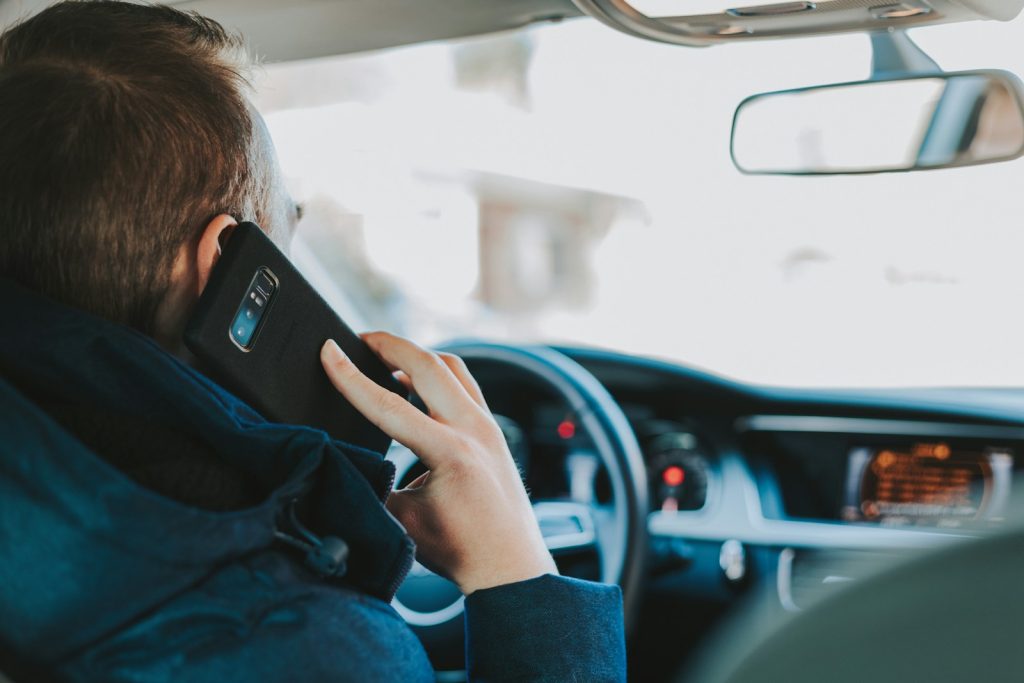
1) Using Your Phone Even When Stopped at Lights
Using a phone at the wheel is not just about texting at 70 mph. UK rules treat a driver as “driving” whenever the engine is on, so simply holding a handset at red lights or in standstill traffic can count as an offence. Guidance on mobile use stresses that touching the device to skip a song, glance at WhatsApp or accept a call is enough to trigger penalties, even if the car is not moving.
Hands-free setups are only safe if the phone is secured and controlled through buttons on the wheel or dashboard. Picking it up to check maps, change a Spotify playlist or dismiss a notification can be treated as using a handheld device while driving. The stakes are high: a moment of boredom in a queue can lead to points, a fine and, in a crash scenario, a serious “due care” or dangerous driving charge.
2) Wearing Flip-Flops or High Heels Behind the Wheel
Wearing flip-flops, sliders or high heels might feel harmless on a short trip, but they can fall foul of rules that require drivers to maintain proper control of the vehicle. Road safety advice on Losing control highlights that flimsy footwear can slip off pedals or get wedged, making it harder to brake quickly. If that happens, insurers may argue the driver contributed to the crash by choosing unsafe shoes.
Similar concerns apply to very chunky boots or platform heels that reduce pedal feel. Separate guidance on Wearing unsuitable footwear notes that police can treat poor shoe choice as evidence that someone was not in full control. For drivers, the risk is not just a telling-off: in a collision, they could face allegations of careless or even reckless driving, and insurers may push back on paying out.
3) Failing to Clear Snow or Mud from Windows and Plates
Failing to clear snow, ice or mud properly is another easy way to break the rules without meaning to. Visibility laws require a clear view of the road and readable number plates, yet many people only scrape a small “porthole” in the windscreen before setting off. Safety guidance on traffic laws notes that drivers often underestimate how quickly a partially cleared screen or dirty lights can turn into a real hazard.
It is not just about the front glass. Side windows, mirrors and rear screens all need to be clear enough to check blind spots, and plates must be legible so cameras and officers can identify the car. Ignoring that because the journey is “only around the corner” can still lead to fines. In a crash, an officer seeing a snow-covered roof or unreadable plate may treat that as a sign the driver took unnecessary risks.
4) Overlooking Minor Traffic Infractions in Daily Routines
Small driving slip-ups often blend into the background of daily life. Research on common crimes in the UK suggests that people routinely break the law without realising, and everyday motoring habits are a big part of that pattern. Rolling through a quiet stop line, edging over a speed limit “just to keep up” or parking slightly on a pavement can all count as offences even when they feel socially normal.
Because these behaviours are so widespread, drivers tend to assume they are tolerated. That relaxed attitude can backfire when a camera, local crackdown or minor collision suddenly brings the law into sharp focus. For motorists, the bigger issue is that a string of “minor” infractions can build up points, higher insurance costs and a reputation for careless driving that is hard to shake.
5) Leaving Items Loose on the Dashboard or Seats
Loose items in the cabin are another quiet legal risk. A handbag, takeaway coffee, laptop or even a heavy water bottle left on the passenger seat can become a projectile in a sudden stop. Road safety advice on Many motorists points out that people often do not see this as a legal issue, yet unsecured loads can be treated as a failure to keep the vehicle safe.
If a phone or sat-nav slides off the dash and a driver instinctively grabs it, that split second of distraction can be enough to cause a crash. Police can then argue that the driver did not have proper control because the cabin was cluttered. Beyond fines, the real cost is that passengers, including children, are more likely to be injured by flying objects that could easily have been stowed in the boot or glovebox.
6) Engaging in Distracted Habits Like Eating or Adjusting the Radio
Snacking at the wheel or fiddling with the radio feels routine, but it can cross the line into “driving without due care.” Legal commentary on LAWS YOU PROBABLY notes that everyday driving behaviour, such as reaching for dropped food or scrolling through menus on a touchscreen, regularly features in crash reports. The law does not ban eating outright, yet it does require full attention on the road.
Modern cars make this trickier by packing navigation, music and climate controls into big central screens. Tapping through apps like Apple CarPlay or Android Auto can be just as distracting as looking at a phone. If a driver drifts lanes or brakes late while unwrapping a burger or hunting for a podcast, officers can treat that as careless driving, with fines, points and higher insurance premiums to follow.
7) Blasting Music That Drowns Out Emergency Sirens
Loud in-car entertainment can also stray into illegal territory. Cranking up a powerful sound system until it drowns out emergency sirens or level-crossing alarms can be treated as a failure to pay proper attention to the road. Analyses of driving behaviour highlight that drivers often forget noise levels are part of safe control, not just personal taste.
It is not only about volume inside the cabin. If music is so loud that it causes a nuisance to others or makes it hard for pedestrians and cyclists to communicate, officers can use broader powers around careless or inconsiderate driving. The practical risk is clear: missing an approaching ambulance or police car because the bass is shaking the mirrors can delay emergency responses and leave the driver facing awkward questions at the roadside.
More from Wilder Media Group: