


New-car shoppers are discovering that plenty of features that once came baked into the sticker price now live behind a paywall. Automakers increasingly treat familiar comforts as software services, turning everyday driving into a stack of monthly charges. Here are seven car features that used to feel standard but now often cost extra every single month.
1) Satellite Radio
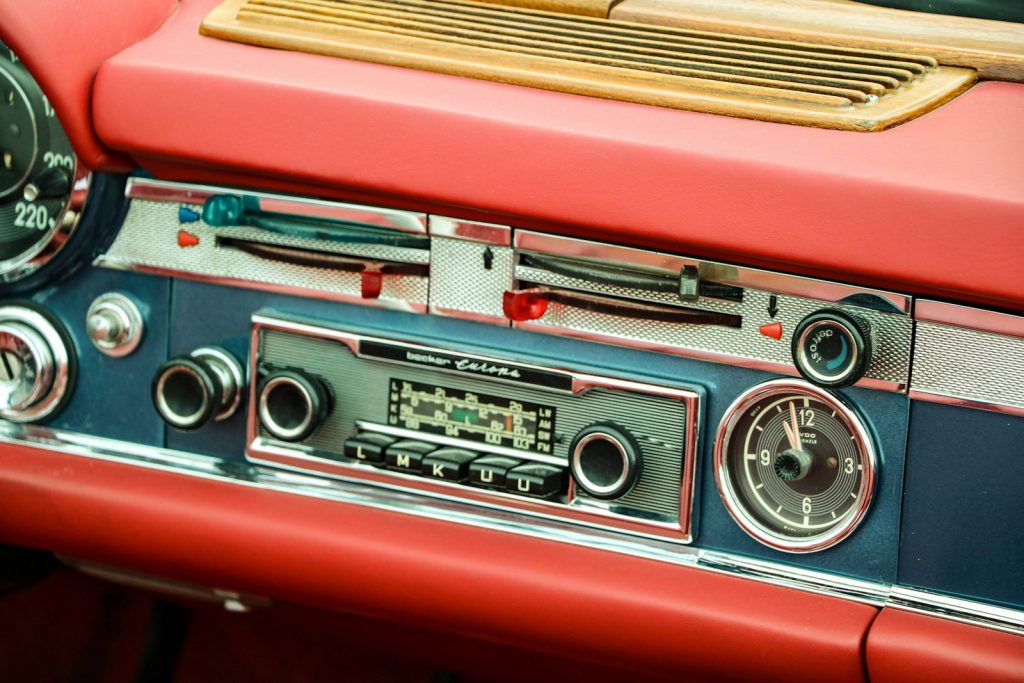
Satellite radio used to feel like a permanent perk when a buyer drove off the lot, especially in brands that preinstalled it on most trims. Today, services like SiriusXM are typically bundled as a short trial, then converted into a recurring charge that can add $10 to $40 a month to ownership costs. New Chevrolet models with SiriusXM come with a 3‑month trial, and with the trial subscription drivers get access to a wide slate of channels before the bill starts.
Luxury brands have leaned into this model as well. Jaguar and Land Rover expanded installation so that SiriusXM is a standard feature across their lineups, pairing each vehicle with a 3‑month trial of the All Access package that includes more than 150 channels. Once those trial months end, the radio hardware in the dash is useless without a subscription, turning what once felt like a built-in amenity into another line item on the household budget.
2) Built-in Navigation
Factory navigation systems were once a bragging point, sold as a one-time upgrade that would guide drivers for the life of the car. Now, many built-in navigation units rely on paid data connections for live traffic, construction alerts, and updated maps. Automakers that previously bundled these services are shifting to monthly fees, often in the $15 to $25 range, for continued access to connected navigation features in brands such as Ford and Toyota.
Reporting on connected features highlights how this change quietly raises the real cost of ownership. Drivers who skip the subscription are left with outdated maps or a stripped-down interface, even though the hardware is fully capable. That dynamic pushes many owners toward smartphone apps instead, undercutting the value of the pricey in-dash system they already paid for when they bought the car.
3) In-Car Wi-Fi Hotspot
In-car Wi‑Fi hotspots started out as a flashy bonus on connected vehicles, marketed as a way to keep passengers online without thinking about it. Early adopters often enjoyed complimentary data periods that made the hotspot feel like a standard part of the tech package. Now, those same hotspots typically require a dedicated data plan, with unlimited packages from providers such as AT&T commonly starting around $20 per month or more.
Once the free window closes, the car effectively becomes another device on the family phone bill. That shift matters for parents who rely on streaming to keep kids occupied or commuters who use laptops on the go. What looked like a built-in feature at purchase turns into a recurring telecom expense, and skipping the subscription means the Wi‑Fi button on the screen becomes little more than a reminder of a service that used to be free.
4) Remote Access Apps
Remote access apps, which let owners lock, unlock, or start their cars from a phone, were initially pitched as a value-add for connected vehicles. Many brands bundled these tools at no extra charge for the first years of ownership, making it easy to warm up a car in winter or check whether the doors were locked. Increasingly, those same conveniences are being folded into subscription bundles that cost around $10 to $15 per month once the complimentary period ends.
Services like Hyundai’s Blue Link helped normalize the idea that a smartphone could stand in for a key fob, but now that habit is monetized. Some newer GM models include Essential OnStar benefits such as select remote commands as standard, according to Essential plan details, yet more advanced app features still sit behind higher tiers. For owners, that means the difference between a fully connected car and a basic one often comes down to whether they are willing to keep paying.
5) Telematics Services
Telematics systems, the quiet background services that handle crash alerts, roadside assistance, and vehicle tracking, used to be marketed as built-in safety nets. Brands that offered systems similar to OnStar often included them as standard for at least the first year, and sometimes longer, on new vehicles. Now, keeping those same protections active can cost anywhere from $15 to $50 per month once the initial coverage expires, especially on models like Chevrolet SUVs and trucks.
That paywall has real stakes. Owners who decline the subscription lose access to automatic crash notifications and location tracking that can help recover a stolen car or guide emergency responders. While some GM vehicles now ship with a baseline level of telematics included, premium tiers with richer diagnostics and concierge-style help remain subscription products. The result is a two-tier safety experience, divided not by trim level but by who keeps paying after the trial.
6) Premium Audio Streaming
Premium audio streaming in the dash, from services like Pandora, Apple Music, or Spotify, started as a simple extension of smartphone connectivity. Early infotainment systems often let drivers plug in a phone and use these apps without thinking about extra fees beyond normal data use. As streaming platforms have matured, ad-free listening and higher-quality audio now require their own monthly payments, typically in the $5 to $15 range, even when the car’s interface is already set up for them.
Some electric-vehicle owners are already familiar with this model. Tesla, for example, charges $10 a month for what it calls Premium Connectivity, which includes in-car streaming and other data-heavy features. That approach has influenced how other automakers think about infotainment, turning the dashboard into a recurring revenue channel. For drivers, the choice is either to accept ads and limited features or to stack yet another subscription on top of the car payment.
7) Driver Assistance Alerts
Advanced driver assistance alerts, such as collision notifications sent to a phone or theft alerts triggered by suspicious movement, once came bundled with connected safety packages. These alerts rely on the same data backbone as telematics, and they were often promoted as standard protections for new-car buyers. Now, ongoing access to remote collision and theft notifications typically requires a monthly fee in the $10 to $20 range after any introductory period ends.
Used-car shoppers are increasingly finding that older vehicles still have the hardware for these features, but the services are locked unless a new subscription is activated. Analysis of advanced tech in used cars notes that driver-assistance hardware often outlives the original free plans. That leaves second or third owners facing a choice: pay to re-enable alerts that once felt like standard safety gear, or drive with dormant sensors that no longer communicate beyond the vehicle itself.
More from Wilder Media Group: