
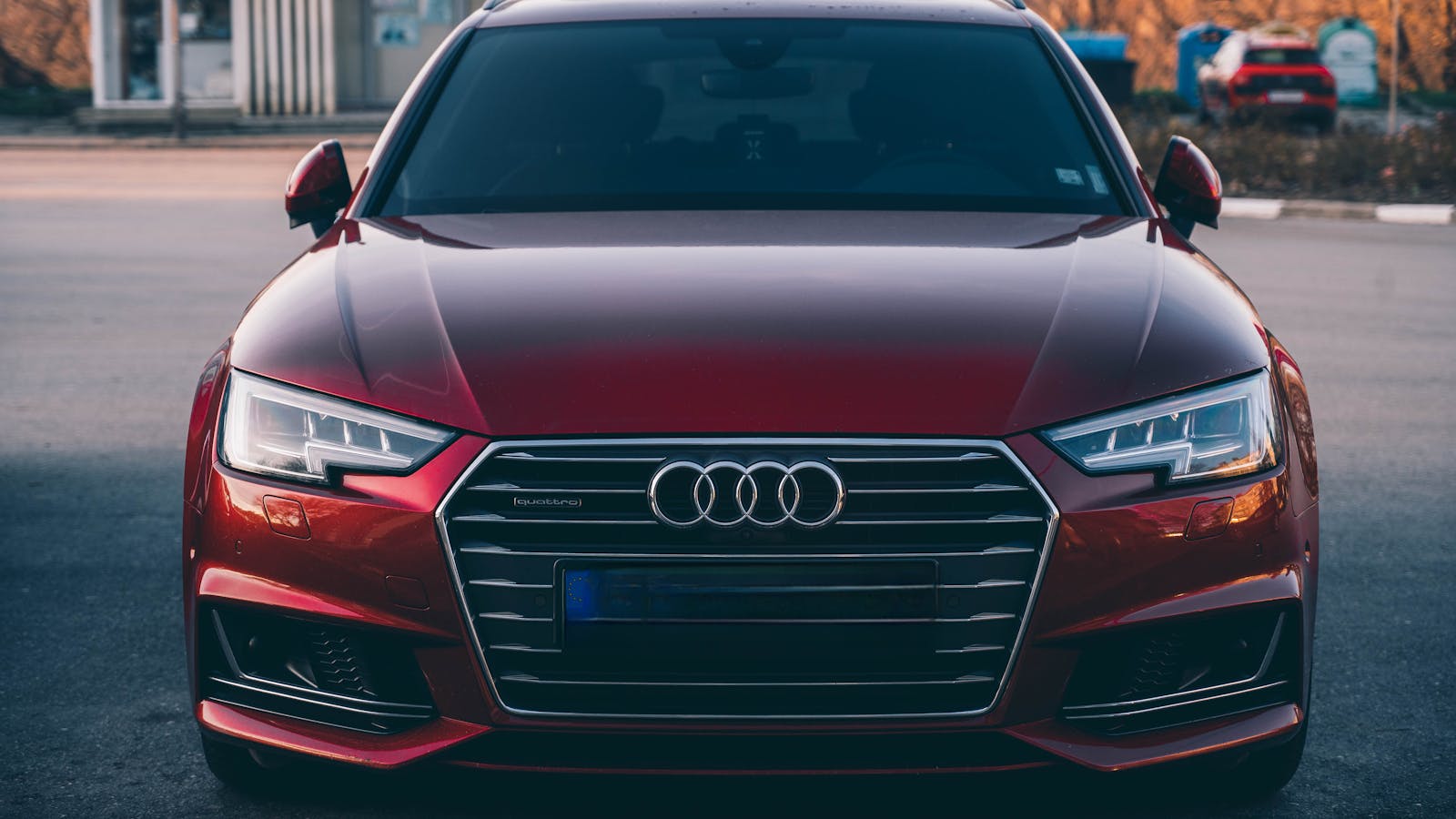

Plenty of popular cars feel rock solid when they are new, then quietly turn into money pits once the odometer rolls past 80,000 miles. For shoppers who plan to keep a vehicle long term, knowing which models tend to blow the budget late in life is crucial. Here are seven crowd favorites that can become financial disasters once they cross that mileage line.
1) Jeep Grand Cherokee
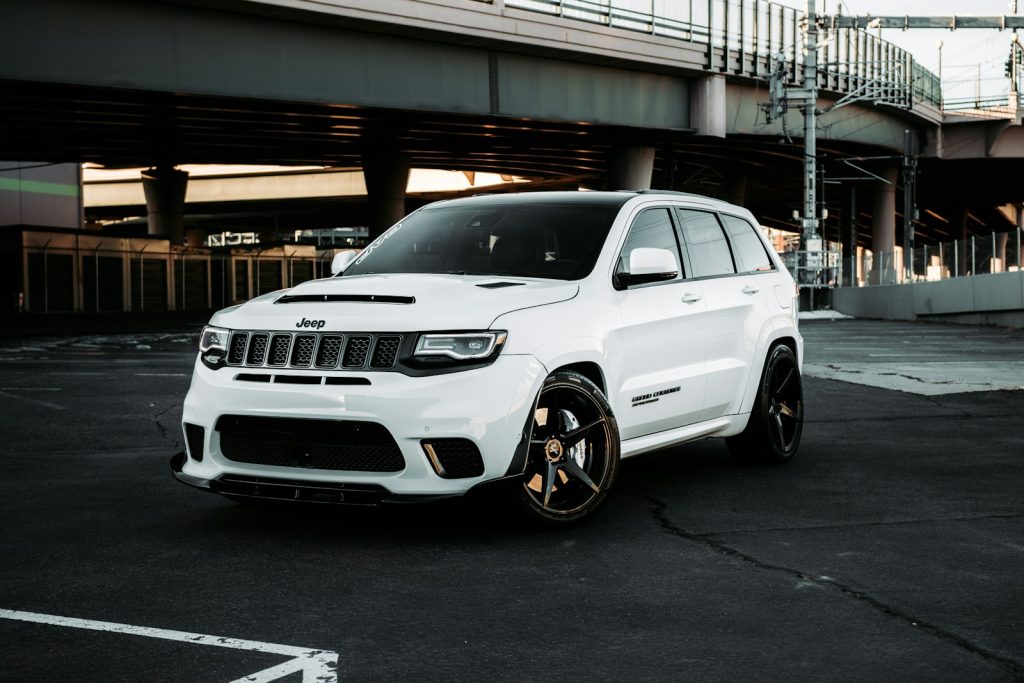
The Jeep Grand Cherokee from 2011 to 2015 has a serious reputation for transmission trouble after 80,000 miles, with failures averaging around $4,000 to fix. Owners report shuddering, slipping, and harsh shifting, and more than 1,200 complaints on CarComplaints.com back up how widespread the issue is. One breakdown of 2015 transmission problems alone lists 85 complaints from Grand Cherokee drivers, many focused on electronic shifting that feels unreliable in daily use.
Real-world stories make the risk feel even more expensive. A detailed forum post about a Grand Cherokee Ecodiesel describes “catastrophic engine failure” on a Jeep Grand Cherokee Overland Ecodiesel with just 45,000km, or 28,000 miles, after dealer repairs and updates. A separate breakdown of Jeep Grand Cherokee common problems for 2011 to 2022 models highlights how drivetrain issues can stack up as these SUVs age, turning a once-attractive used buy into a rolling repair bill.
2) BMW 3 Series
The BMW 3 Series E90 generation, sold from 2006 to 2011, is beloved for its handling but notorious for timing chain guide failures once it gets past 80,000 miles. According to reliability data, this generation scored 1/5 for engine longevity, and owners often face repair quotes of $3,500 or more when the plastic guides wear out or break. When that happens, the chain can jump, leading to rough running, no-start conditions, or even complete engine failure.
Because the timing components sit at the back of the engine, labor costs are brutal, and many independent shops quote full-day jobs just to get everything apart. For a used-car buyer who thought they were getting a bargain luxury sedan, that single repair can wipe out any savings over a more modest car. It also means that skipping preventive maintenance or ignoring early rattling noises can quickly turn a fun daily driver into a stranded, high-dollar project.
3) Land Rover Range Rover

The Land Rover Range Rover from 2010 to 2014 is another status symbol that can punish owners after 80,000 miles, especially when the air suspension starts to age. Reports tied to 2012 models show more than 450 suspension-related recalls and complaints, and a failing air suspension compressor is a common theme. When that compressor or the associated air struts give up, owners are often staring at repair bills around $2,500 just to get the SUV sitting level again.
Once the system starts sagging, the ride height can drop overnight, warning lights pop up, and the truck may even limit its own speed. That is more than an annoyance, it can affect safety and drivability, especially in bad weather. For buyers lured in by low used prices and plush interiors, the cost of chasing repeated suspension faults can easily outstrip what they saved on the purchase price.
4) Mercedes-Benz C-Class
The Mercedes-Benz C-Class W204, built from 2008 to 2014, hides a different kind of long-term problem, rust that shows up where owners least expect it. A 2022 analysis of corrosion complaints logged more than 800 reports of underbody rust, especially in salt-belt states where winter road treatment is harsh. Once the subframes and structural components start to corrode, repair estimates can climb to $5,000 or more, because shops are dealing with safety-critical metal rather than cosmetic panels.
Unlike a noisy engine or slipping transmission, this kind of damage can stay hidden until an inspection or a failed alignment reveals how bad it is. Owners who thought they were just buying a compact luxury sedan for commuting suddenly face decisions about welding, subframe replacement, or even scrapping the car. For anyone shopping used, that makes a thorough underbody check essential before signing anything, especially in regions that see heavy snow and road salt.
5) Audi A4
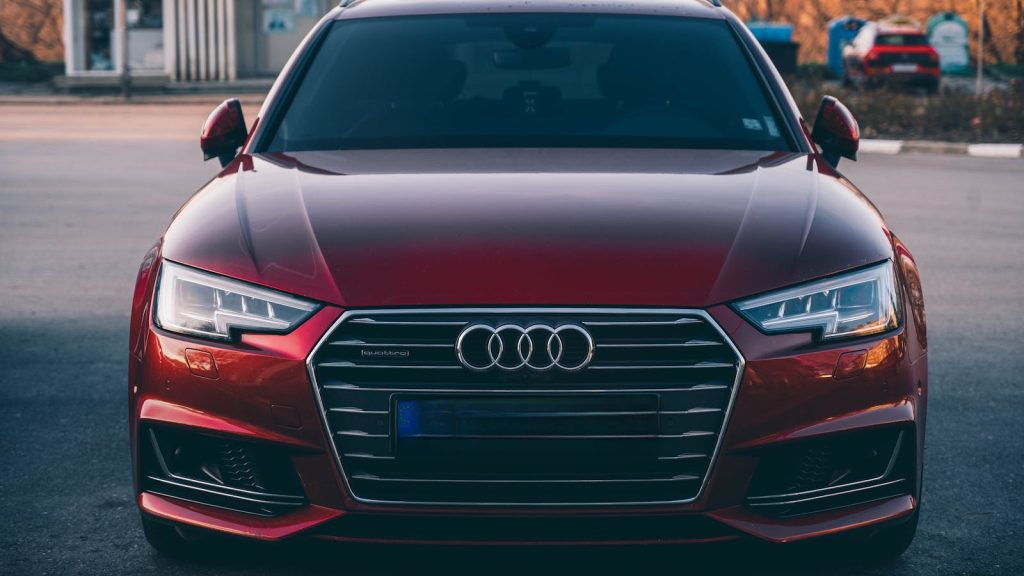
The Audi A4 B8 generation, sold from 2009 to 2016, brings another expensive headache once it racks up miles, carbon buildup in its direct-injection engines. In owner feedback summarized in a 2024 survey, the car earns a 2/5 predicted reliability rating, with many drivers pointing to intake valve deposits that choke airflow. Cleaning that buildup typically requires walnut blasting every 80,000 miles or so, a job that often runs around $2,000 at a specialist shop.
Because the fuel is sprayed directly into the cylinders, it never washes the backs of the valves, so short trips and lots of idling can make the problem worse. Symptoms like rough idle, hesitation, and poor fuel economy creep in gradually, which tempts owners to ignore them until performance really drops. For a turbocharged engine that already works hard, letting that buildup go unchecked can shorten its life and turn a sleek German sedan into a recurring maintenance project.
6) Ford Explorer
The Ford Explorer from 2011 to 2019, especially in all-wheel-drive form, has a known weak spot in its power transfer unit, or PTU. Federal data on 2013 models shows more than 1,100 drivetrain complaints, and a 2019 recall covered about 1.2 million units for related issues. When the PTU overheats or loses lubrication after 80,000 miles, owners can face repair bills around $1,800 to replace the unit, sometimes after noticing burning smells or binding in tight turns.
Because the PTU is tucked up near the exhaust, heat is a constant enemy, and fluid changes are not always part of standard service schedules. That combination means many family haulers quietly march toward failure with no warning beyond a faint whine. For households that rely on an Explorer as their main kid hauler or tow vehicle, a sudden PTU failure can mean both a big bill and a major disruption to daily life.
7) Nissan Altima
The Nissan Altima fifth generation, built from 2007 to 2012, rounds out the list with a transmission problem that has become infamous among used-car shoppers. Its continuously variable transmission, or CVT, is prone to overheating and failure after 80,000 miles, often requiring full replacements that cost $3,200 or more. On owner complaint pages, this generation appears on an “avoid” list, with more than 2,500 reports tied to transmission breakdowns.
Drivers describe symptoms like delayed engagement, surging at highway speeds, and sudden loss of power that can feel dangerous in traffic. Because the CVT is a sealed unit, traditional rebuild options are limited, so many shops simply quote a replacement. For budget-minded buyers drawn to the Altima’s low prices and strong fuel economy, that single failure can erase years of savings and make an otherwise ordinary sedan a costly gamble past the 80,000-mile mark.
More from Wilder Media Group: