


Drivers who have been clinging to their gas sedans and pickups could be staring at a new kind of sticker shock in 2026. A fresh proposal tied to California’s clean‑car rules, and the states that follow them, would tighten how many gasoline models automakers are allowed to sell, which can push prices up when supply gets squeezed. Layer that on top of rising fuel costs and shifting gas taxes, and the cost of owning a traditional car in some parts of the country is poised to climb even if the vehicle itself looks familiar.
At the center of the fight is a 2026 model‑year sales plan that leans hard on electric and plug‑in hybrids in states that mirror California’s standards. Automakers are warning that if they are forced to cap or cut back gas and regular hybrid offerings to hit those targets, buyers who still want internal‑combustion engines will be competing over a smaller pool of vehicles, and that is rarely good news for anyone’s budget.
The 2026 clean‑car proposal and where it would bite
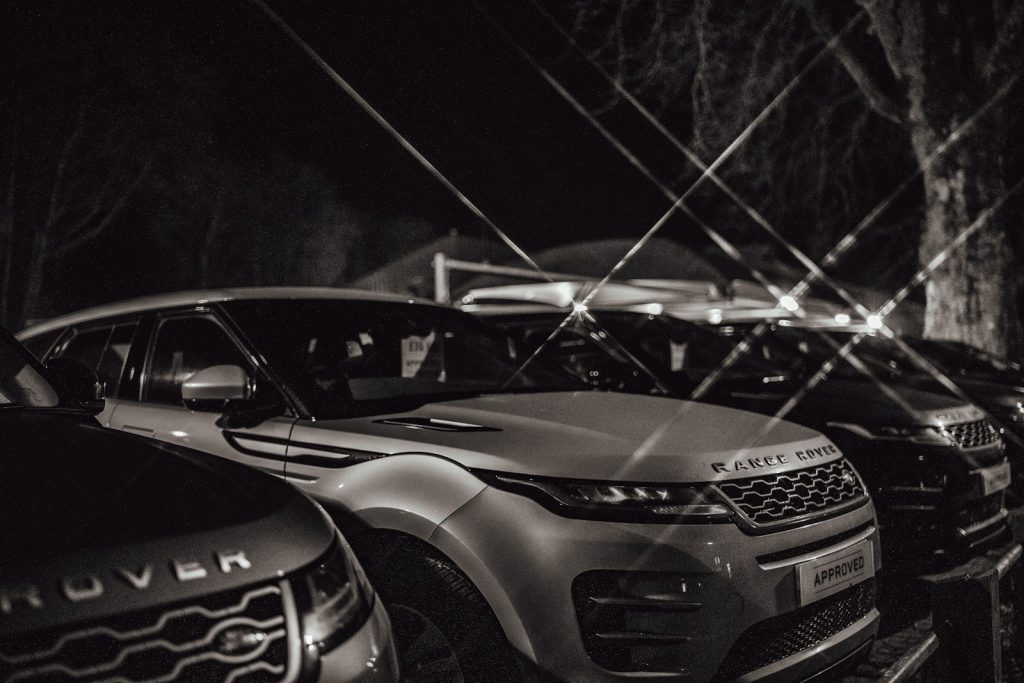
The new 2026 proposal is essentially a next step in California’s long‑running effort to phase out gasoline cars, using sales quotas and emissions rules to push the market toward electric models. Automakers have signaled that to comply, they may restrict gas and regular hybrid sales in California and other participating states, steering more shoppers into higher priced EVs or limited gas inventory. Industry voices have already warned that this kind of shift could make it harder to find popular gasoline trims at volume, which tends to push transaction prices higher as dealers prioritize scarce models.
The reach of this plan is not confined to the West Coast. A cluster of states, including New York, Washington, Oregon, Vermont and Massachusetts, historically align their vehicle rules with California’s, and together with the District of Columbia they help form a bloc that accounts for 40% of the national car market. When a sales rule hits that big a slice of demand, automakers tend to retool their national lineups, which means shoppers in non‑aligned states can feel the ripple effects too.
Gas cars, gas taxes and the 2026 price squeeze
Even if a driver manages to snag a gas model before quotas bite, keeping it fueled is getting more expensive in several of the same states. Analysts have already flagged that driving could cost more in 2026 as traditional fuel taxes are replaced or supplemented with new road‑use fees in places like Oregon, where pilot mileage‑based programs are evolving into permanent systems that sit alongside existing levies. A separate wave of fuel‑tax changes is rolling through other states as well, with Missouri using regular increases to ratchet up its per‑gallon rate, a reminder that the pump price is shaped as much by policy as by oil markets.
Some lawmakers and residents are leaning into that logic. In online debates in Virginia, for example, supporters of higher fuel levies argue that Higher gas taxes would both raise revenue and nudge buyers toward more efficient vehicles, while critics dismiss that as “Stupidity” that punishes drivers. In the Midwest, Michigan is shifting how it taxes gasoline starting in 2026, with a new law that boosts the per‑gallon charge by about 21 cents, a change highlighted in a local post that bluntly labels the move “So much BS” while noting that Michigan drivers will be paying more to fill up.
California’s 2026 crunch and what it signals for other states
Nowhere is the 2026 squeeze clearer than on the West Coast, where the clean‑car proposal overlaps with a separate storm in the fuel market. Analysts warn that refinery closures and new rules could push California pump prices to $8.44 per Gallon, with some projections describing how Gas Could Hit an average of $8.44 in a state where the cost of living already sits at 38.5% above the national average. That kind of fuel spike, combined with a cap on gas‑car sales, is exactly the scenario that makes a conventional commute feel like a luxury purchase.
Other states are watching closely and adjusting their own timelines. In New England, Massachusetts has already tweaked its electric‑vehicle plans after the Senate blocked a California‑style phaseout of gas cars by 2035, signaling that even sympathetic lawmakers are wary of moving too fast. Farther west, Oregon continues to refine its own mix of EV incentives and road‑use fees, while states like Utah and Hawaii experiment with their own blends of clean‑car rules and tourism‑driven fuel taxes, each choice feeding back into what a gas car really costs to own.
More from Wilder Media Group: