

When mechanics talk about cars that “just keep blowing up,” they are not being poetic. They are describing engines that fail hard, early, and expensively, often in the same brands again and again. In shop bays and online forums, two names come up so often that many techs now tell friends and customers to avoid them entirely, especially on the used market. Their warnings are blunt, but the pattern they describe is backed up by reliability data and a growing pile of frustrated owners.
Those same mechanics are not saying every other automaker is perfect. They are drawing a line between brands that have occasional problem models and two companies that, in their view, have turned catastrophic engine trouble into a recurring theme. For shoppers trying to decide what to buy next, it is worth unpacking why these pros are so wary, how their experience lines up with broader surveys, and which alternatives they point people toward instead.
Why Hyundai and Kia keep landing on mechanics’ “never again” lists

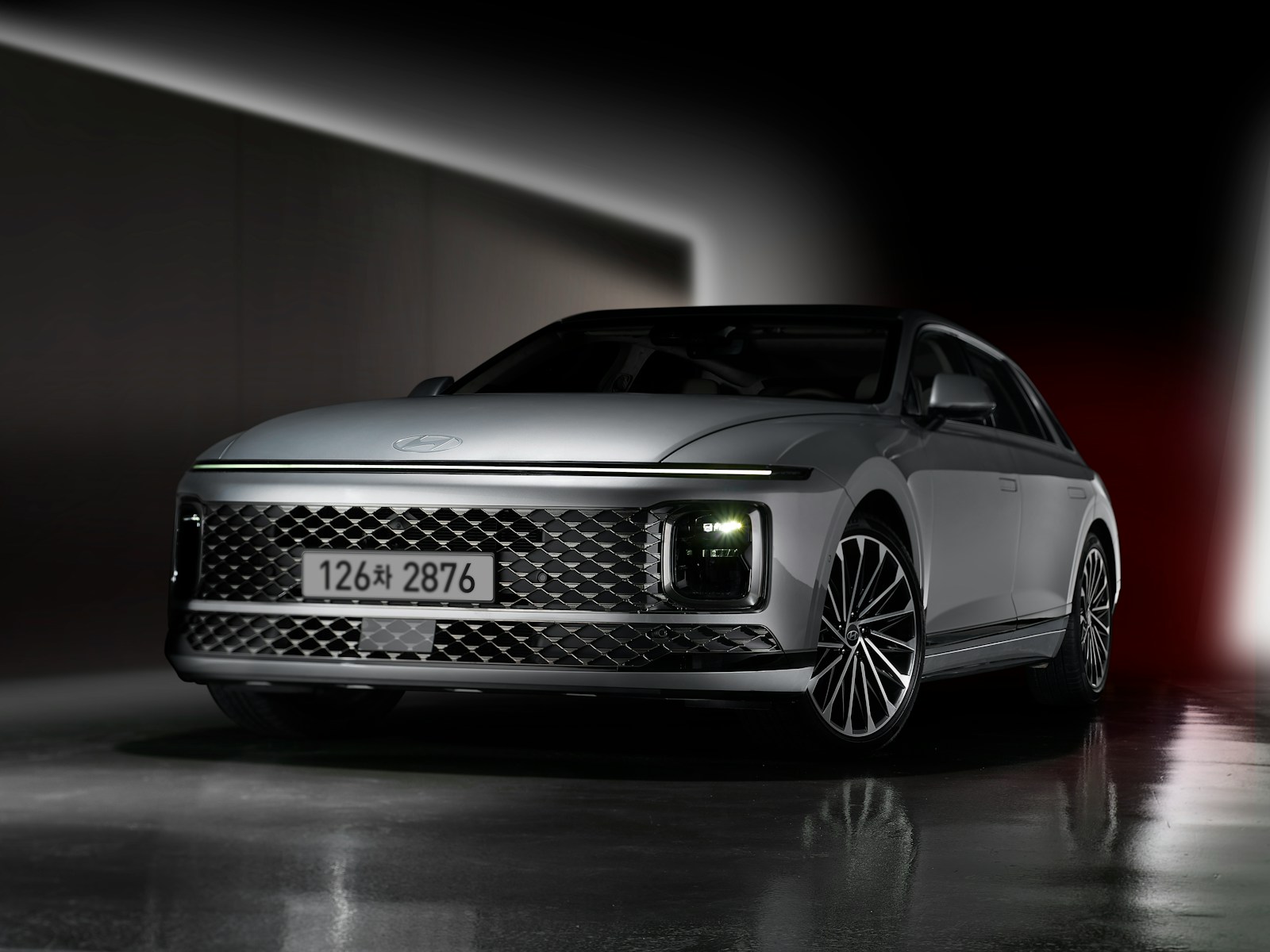
In shop conversations, the two car brands that get singled out most often are Hyundai and Kia. A widely shared clip of a team of technicians captured the mood, with the interviewer asking, “What car brand would you never own and why?” and the Shop consensus: Hyundai came back almost instantly. One mechanic said the engines “keep blowing up,” and the others nodded along, describing a steady stream of seized motors and bottom ends coming apart long before the odometer suggests they should.
That anecdotal frustration lines up with more formal warnings. In one breakdown of problem brands, multiple auto pros said Hyundai and Kia are a “ticking time bomb” because of faulty engines that tend to fail rather than simply wear out, especially as the cars age. Those experts urged shoppers to Never Buy Used examples from these brands if they rely on them for daily commuting. Another section of the same reporting drilled down on what goes wrong, noting that when mechanics are asked which used cars to avoid, Hyundai and Kia come up again because of one common problem: Engine failure that can arrive with little warning.
Separate coverage of mechanic interviews has echoed that theme, with one piece summarizing how multiple techs now tell drivers to steer clear of these two brands entirely. That report framed it as “Mechanics Say Never Own These 2 Car Brands” and repeated the line that They Just Keep suffering major engine trouble. A related write up, carried on a larger portal, recounted how a TikTok creator known as @motorcarnut and an Accurate Automotive mechanic both described Kias and Hyundais as prone to serious failures, noting that Mechanics Say Never brands if you want to avoid surprise engine bills. A second version of that story highlighted how, as Best Life has previously reported, As Best Life documented similar complaints from independent shops.
Owners are chiming in too. In a Facebook discussion aimed at “Hyundai holders,” one commenter warned that Hyundai’s/Kia’s are among the worst cars you can buy for reliability and resale value, going so far as to say that buying one used is “100% making a horrible decision.” That kind of language is emotional, but it reflects a pattern mechanics see in the bay: engines that spin bearings, burn oil, or simply lock up, often on cars that still look and feel relatively new from the driver’s seat.
How reliability data and other models fit into the picture
Mechanics’ gut feelings are one thing, but large scale surveys help show whether those instincts match what owners report. Recent reliability rankings for 2026 models, based on a 100 point scale, list the Least Reliable Vehicles and highlight how some newer electric and hybrid entries are struggling with complex powertrains and charging systems. Another analysis of predicted reliability grouped “Brands With the Lowest Predicted Reliability for” the 2026 model year and noted that Many of the worst scoring models come from familiar mainstream badges, with only a few exceptions bucking the trend.
Zooming in on specific nameplates, one year end list of problem vehicles pointed out that Kia and Mazda both appeared among the 10 least reliable cars for 2026. That rundown spelled out the scores and noted that the Here entry for the GMC Acadia carried a predicted reliability of 14 out of 100, a reminder that domestic crossovers can be just as troublesome. A separate reference to the same model underscored how the GMC Acadia has become a cautionary tale in its own right, and another look at the GMC Acadia reinforces that shoppers should not assume SUVs are bulletproof just because they sit high and look tough.
Mechanics who are skeptical of Hyundai and Kia often steer people toward brands with a longer track record of durable engines. One popular YouTube technician recently told viewers to “Hold onto to your older non hybrid Camrys,” arguing that those Hold up better long term than some newer hybrids. That advice lines up with the reputation of the Toyota Camry, which has long been a go to recommendation for buyers who value boring reliability over flash. The same logic often extends to body on frame trucks and SUVs like the Toyota Tundra and Sequoia, which many techs still see racking up high mileage with relatively few drivetrain dramas.
More from Wilder Media Group: