


The traveler did what hotels constantly nudge guests to do: handed over the keys, took a paper ticket, and trusted the branded podium out front. Then the rental car vanished, and the hotel’s first instinct was not to apologize, but to suggest the guest might be on the hook. When a “lost” vehicle collides with a rental contract and a mandatory valet, the gap between what guests assume and what the law actually says gets very expensive, very fast.
Behind the drama of a missing car is a tangle of liability rules, insurance fine print, and corporate finger-pointing that most people only discover after something goes wrong. The good news is that the law does not always side with the hotel, the valet stand, or the rental counter, no matter how confident their managers sound.
When the valet loses your rental, who actually owns the mess?
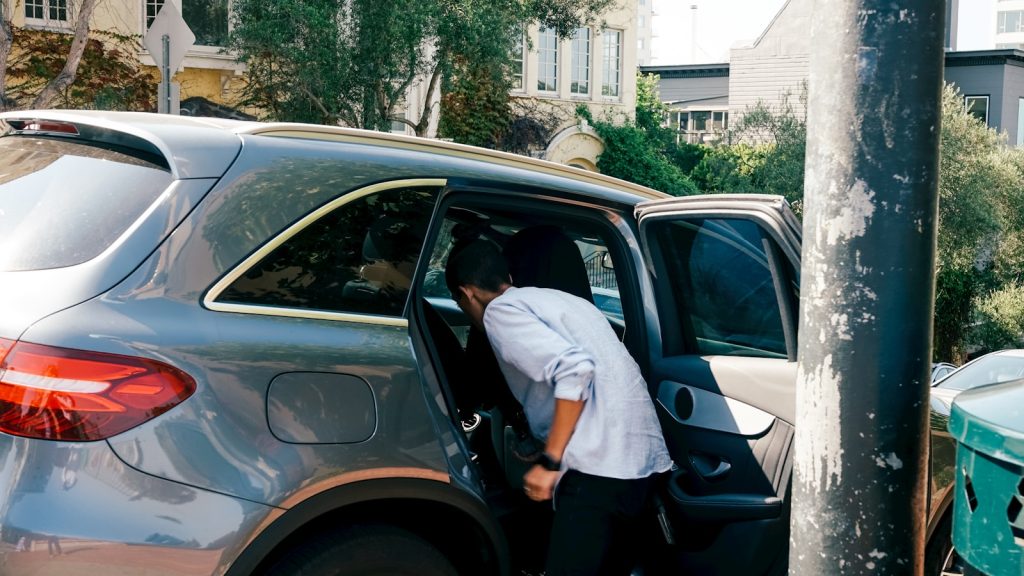
The moment a guest hands over keys at a hotel stand, the relationship shifts from casual convenience to a classic bailment: the valet company takes possession of the car and owes a duty to protect it. In practical terms, that means if a valet in Las Vegas scrapes a fender or misplaces a vehicle, the company running that stand is typically the one responsible for the damage, not the unsuspecting guest who was upstairs brushing their teeth. Legal guidance on who is liable in Las Vegas makes that point bluntly: the valet company is usually on the hook for what its employees do while parking and retrieving vehicles.
That duty does not magically disappear just because the car is a rental. The guest is still the one who signed the rental agreement, but the valet is the one who took custody of the vehicle and its keys. If the car is damaged, the first step is often to loop in personal auto insurance or the rental’s coverage, then let those insurers chase reimbursement from the valet’s policy. That is why consumer lawyers urge drivers to contact their insurer quickly, both to document the loss and to preserve their rights to compensation if the valet’s negligence is later proven. The hotel may try to frame the situation as a private dispute between the guest and the rental counter, but the law treats the company that accepted the keys as a central player, not a bystander.
The rental contract trap: why delay can make you the fall guy
Where guests get ambushed is at the intersection of that bailment duty and the rental contract they barely skimmed at the airport. Most rental agreements are written to protect the company first, and they usually require fast, almost immediate reporting of any damage, theft, or loss. Legal commentary on these contracts notes that most rental agreements demand prompt notice and warn that failing to do so can make the renter personally responsible for costs that might otherwise be covered by the valet’s insurance.
That is the nightmare scenario for a traveler whose car disappears overnight from a hotel garage. If the guest spends hours arguing with the front desk while the rental company is kept in the dark, the delay can be used later as leverage: the rental firm points to the contract, the hotel points to the rental firm, and the guest is left in the middle. In one widely shared discussion among loyalty members, commenters urged a renter in this exact situation to immediately contact the rental company, have the vehicle tracked, and then push the hotel and valet to compensate. The message was clear: the clock starts ticking the moment the car goes missing, and the renter cannot afford to wait while managers “look into it.”
Why hotels love those tiny-print valet disclaimers
Hotels, for their part, have spent years trying to contract around this risk with tiny-print language on claim tickets and parking signs. The classic move is a disclaimer that says the restaurant or hotel is not responsible for any damage or stolen property, even when the keys are in the valet’s pocket. One Florida attorney describes how a typical ticket for a guest’s car bluntly states that basically says you’re on your own and that the business is not responsible for any stolen property, even though the entire service is built on taking control of the vehicle.
Courts do not always honor those disclaimers, especially when the valet arrangement looks like a textbook bailment and the guest had no real chance to negotiate the terms. In California, for example, legal analysis points out that employers are generally responsible for what their workers do while on the job, and that principle means a valet company’s owner can be held liable for according to California the actions of a valet driver who crashes or mishandles a car. A flimsy line of fine print on the back of a ticket does not erase that responsibility. Still, those disclaimers are powerful psychological tools: they give front desk staff a script to lean on when they tell a stunned guest that the loss is “not our problem.”
Stolen rental, shifting blame: how liability really moves
Once the word “stolen” enters the chat, the stakes jump. Rental companies are blunt about this in their own legal materials: after a customer signs for a vehicle, after signing the renter often becomes liable for what happens to that car, including theft, unless they can show they took reasonable care, such as locking it up after parking. That is why a missing rental from a hotel’s mandatory valet garage is so fraught. The renter never had the chance to lock the car or choose a safer spot, yet the rental firm may still start from the position that the contract makes the customer responsible.
Guests who have lived through this describe a familiar pattern. In one widely discussed legal advice thread, a driver whose car was stolen from a hotel’s mandatory valet garage was told bluntly that there are not an unlimited number of insurance companies willing to cover this kind of loss, and that the hotel’s policy might be the only realistic target if the valet’s negligence can be proven. Commenters also noted that the hotel’s insistence on mandatory valet, rather than optional self parking, can strengthen the argument that the property assumed a higher level of responsibility for vehicles on site. The more control the hotel and its contractor assert, the harder it is for them to argue that the guest alone should eat the cost of a stolen car.
How to push back when everyone points at you
When a rental disappears and the hotel starts hinting that the guest is to blame, the worst move is to respond with only outrage and no paper trail. Travel advocates urge renters to “fight smart, not loud,” starting with a calm, detailed dispute letter to the rental company that lays out dates, times, the valet ticket number, and the names of any managers involved. One consumer guide recommends that drivers fight smart, not, start with a formal letter, state only facts, and include every relevant document, from the rental agreement to hotel folios and police reports. That kind of record makes it much harder for a rental firm to claim the guest sat on the problem or failed to cooperate.
On the hotel side, injured guests are often told to work through their own insurer first, then let the professionals chase the valet’s carrier. Personal injury lawyers who handle valet disasters advise drivers to file a claim with their own insurance company and let that insurer pursue reimbursement from the valet company, rather than trying to negotiate directly with a hotel risk manager. That approach does not mean giving up on holding the valet accountable. It simply recognizes that insurers have more leverage, more experience, and more patience for the slow grind of subrogation than a solo traveler trying to catch a flight home.
More from Wilder Media Group: