
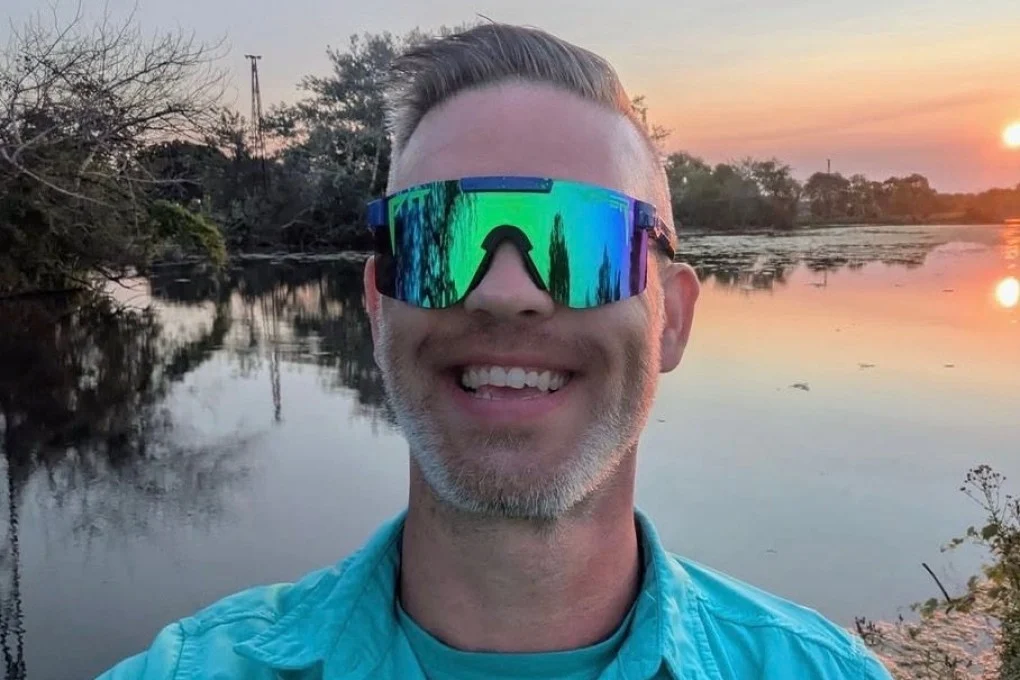

The clash between a Michigan autoworker and President Donald Trump at Ford’s historic Rouge complex was always going to be loud, but nobody expected it to end with a suspension, a viral middle finger, and a worker saying he has “no regrets.” What started as a shouted insult on a factory floor has turned into a test of how far workers can go when they call out the most powerful person in the country. At the center of it all is TJ Sabula, a Ford employee who says he is willing to risk his paycheck rather than back down from what he yelled that day.
The moment on the line that lit the fuse
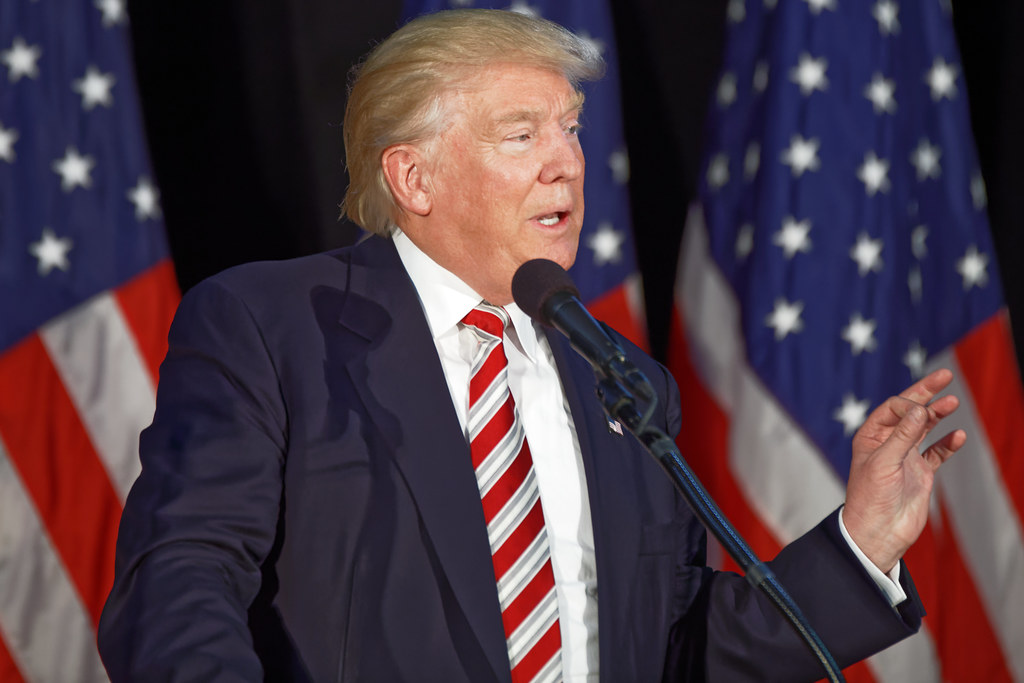
I keep coming back to how ordinary the setting was: a presidential walk-through of a Ford plant in Dearborn, with workers lined up along the route and cameras tracking every step. In that controlled environment, Sabula broke the script, shouting that Trump was a “pedophile protector” as the president passed his work area. According to detailed accounts of the visit, Trump responded by turning toward Sabula and giving him the middle finger, a gesture that was quickly captured and shared by people who were watching the president move through the Ford plant.
From there, the encounter stopped being a fleeting heckle and became a national story. Sabula, a member of the United Auto Workers, was identified as the worker behind the shout, and Ford moved to suspend him from his job at the Dearborn Truck Plant. Reporting on the incident makes clear that the company treated the outburst as a violation of workplace rules, even as the exchange itself, including Trump’s raised middle finger, spread across social media and was dissected in political coverage of the president’s visit to the Dearborn facility.
Sabula’s suspension and his “no regrets” stance
What stands out to me is how quickly Sabula’s job status changed once his name and words were out in public. Ford placed him on suspension from the Dearborn Truck Plant, a move that immediately raised questions about whether the company was punishing him for violating internal conduct rules or for confronting the president. In interviews after the incident, Sabula has been blunt about his feelings, saying he has “no regrets” about calling Trump a “pedophile protector” and insisting that he spoke out because he believes workers should not have to stay silent when the president walks through their workplace, a position that has been detailed in coverage of his suspension.
Sabula’s union status adds another layer to the story. He is a UAW member, and his suspension has become a live case study in how far union protections can stretch when a worker’s speech targets a sitting president on company property. Labor-focused reporting notes that Sabula has framed his comments as a moral stand rather than a moment of hot-headedness, telling supporters that he understood the risk to his job but felt compelled to speak anyway. That defiance, and his refusal to apologize, has been central to how his supporters describe the Dearborn suspension.
How the UAW and political world jumped in
Once Sabula was off the line, the fight over his words moved into union halls and political talk shows. The UAW publicly defended him as a member who should not lose his livelihood for speaking his mind, even in the presence of the president. Union officials have argued that Ford’s response was too heavy-handed and that Sabula’s discipline sends a chilling message to workers who might want to voice concerns about Trump’s policies on trade, electric vehicles, or labor rights. That defense has been laid out in statements that describe the union standing behind the UAW member even as the company keeps him off the job.
National political figures have not stayed on the sidelines either. Democratic strategist James Carville weighed in on the exchange, using it to argue that Trump’s reaction on the factory floor shows how thin-skinned the president can be when confronted by working-class critics. Carville’s comments, which framed the middle finger as a revealing moment about Trump’s attitude toward autoworkers, have been cited in coverage of the Ford worker exchange. That kind of attention has turned Sabula from a local union member into a symbol in a broader fight over how Trump handles dissent in places that are supposed to be his political strongholds.
Viral video, social media spin, and a flood of donations
None of this would have exploded the way it did without video. Clips of Trump’s middle finger and Sabula’s shout raced across platforms, with one widely shared recording showing the president turning toward the line of workers and lifting his hand in response to the heckle. That footage, posted online and replayed in political segments, gave people a clear view of the moment inside the Dearborn plant. It also made it harder for anyone to downplay what happened as a misunderstanding or a misheard comment, because viewers could watch the exchange and draw their own conclusions.
As the video spread, so did personal details about Sabula’s life and work history. Social posts and broadcast segments dug into who he is, how long he has worked at Ford, and what led him to shout at the president, with one widely circulated breakdown of the incident highlighting the autoworker’s background. Supporters began sharing screenshots of Sabula’s own posts, including images and statements that framed his suspension as a badge of honor. One Facebook image, featuring Sabula and a message of defiance, was passed around by people who saw him as standing up to power on the Ford line.
The online attention quickly turned into financial support. Donation campaigns were set up to help Sabula cover his bills while he is off the job, and local reporting has documented how contributions have poured in from people far beyond Michigan who see his suspension as a free speech issue. Those fundraisers, which describe Sabula as the worker who confronted Trump and paid for it with his paycheck, have been credited with raising significant sums for the suspended worker. On Instagram, posts featuring Sabula’s image and slogans backing him up have helped keep his story in circulation, including one widely shared support post that framed him as a symbol of resistance on the shop floor.
What this showdown says about power on the shop floor
For me, the Sabula episode is really about who gets to set the rules of speech at work when the president walks through the door. Ford has argued through its actions that there are lines employees cannot cross on company time, even if the target is a political figure. Sabula and his supporters counter that a worker should not lose his job for shouting a political insult at a president who has made his own name on blunt, often personal attacks. That tension is captured in detailed accounts of how Ford moved to suspend him after the factory confrontation, even as Trump’s own gesture became part of the controversy.
There is also a deeper question about how Trump relates to the industrial workers he often claims as his base. The president’s decision to respond with a middle finger inside a storied plant like Dearborn’s Rouge complex undercuts the carefully staged images of him as a champion of autoworkers in hard hats. Coverage of the visit has pointed out that the moment with Sabula cut through the choreography of the tour and exposed a raw, unscripted side of the president in front of the Michigan workforce. Sabula’s “no regrets” stance, backed by his union and buoyed by donations, suggests that at least some workers are willing to risk their jobs to call that out, even if it means turning a factory shift into a national political flashpoint.
More from Wilder Media Group: