
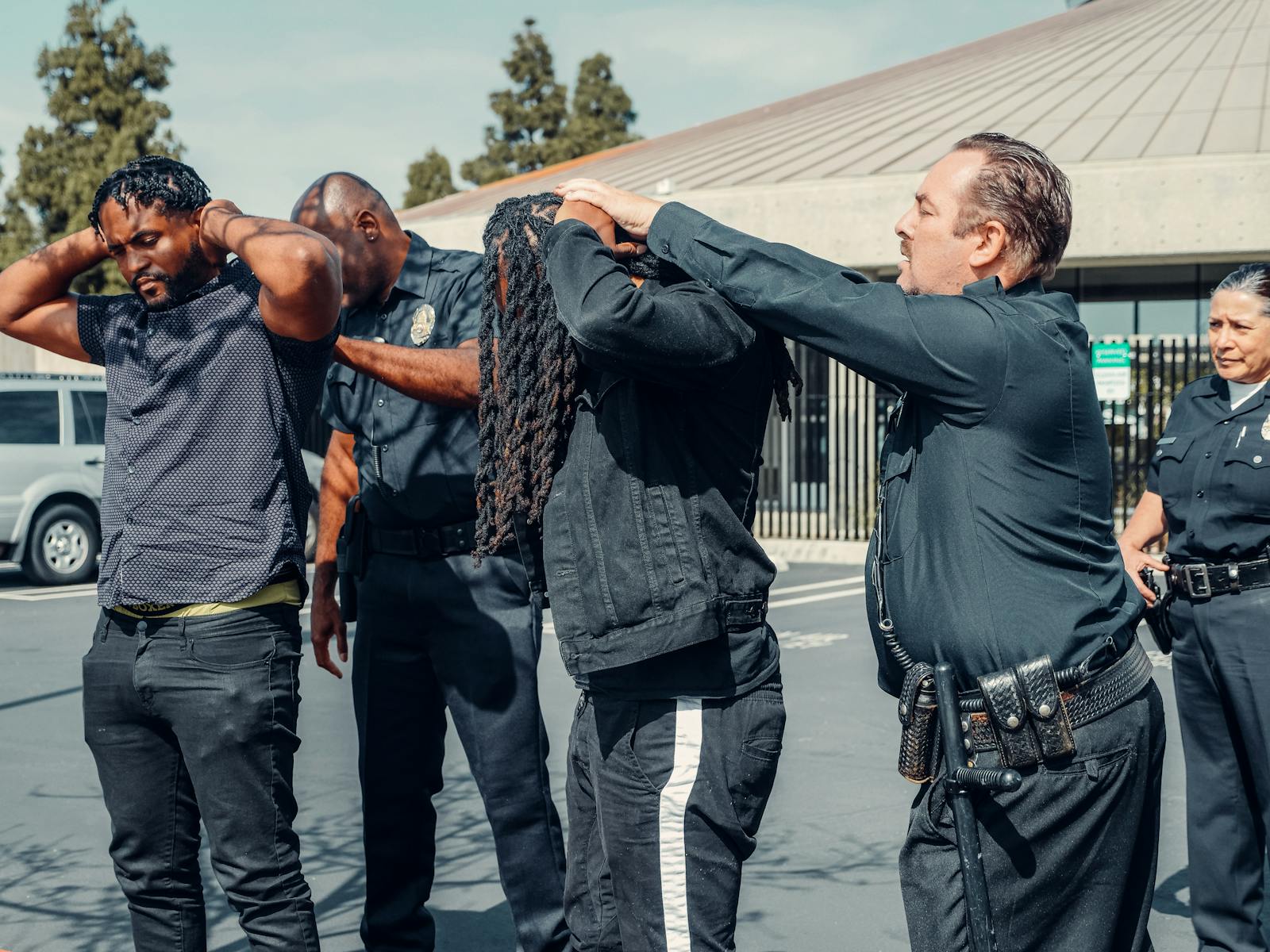

Traffic stops that begin with something as small as a missing headlight or a cracked windshield can quickly escalate into life changing encounters. Across the country, officers are using minor violations as legal footholds to investigate guns, drugs and outstanding warrants, while drivers navigate a confusing mix of rights, risks and split second decisions. The story behind a single stop for a tiny infraction often reveals a much bigger struggle over public safety, civil liberties and trust in law enforcement.
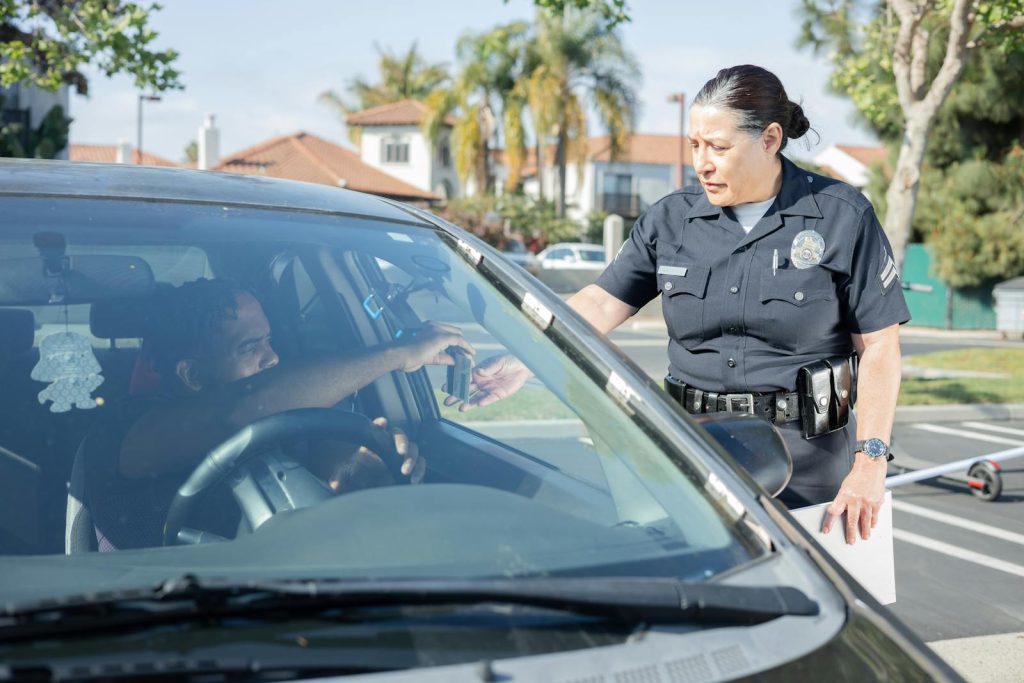
The Tiny Violation That Starts It All
On paper, the rules of the road are straightforward: signal your turns, keep your lights on in bad weather, obey the speed limit. In practice, those small requirements give police a vast menu of reasons to pull a car over and start asking questions. Lawyers note that even something as technical as a window tint infraction can justify a stop if an officer can point to a specific law and articulate why the tint appears illegal, a threshold that courts describe as Probable cause.
Once the lights flash in the rearview mirror, that tiny violation becomes the gateway to a much broader encounter. Legal guides on traffic stops explain that an officer who smells marijuana, sees open alcohol or spots drug paraphernalia in plain view can quickly pivot from a ticket to a criminal investigation, especially in states where possession remains illegal. Defense attorneys who handle drug cases describe a familiar pattern in which a stop that begins with a minor offense, like speeding or rolling through a stop sign, turns into a search when officers say they Traffic believe drug crimes are involved.
How Pretext Stops Became Standard Policing
Courts have repeatedly blessed the idea that officers can use small violations as pretexts to look for bigger crimes, as long as they can point to a real infraction. The U.S. Supreme Court has upheld these stops, finding that if police see a broken taillight or expired tag, they have probable cause to pull the car over even if they secretly hope to uncover drugs or guns. That legal green light has turned routine traffic enforcement into one of the most common ways officers initiate contact with the public.
Some departments have started to rethink how often they lean on that power. After one major city limited officers from stopping drivers for low level equipment issues unless there was a clear safety risk, the number of minor stops dropped sharply, without an immediate spike in violent crime. Reformers argue that scaling back pretext stops can reduce racial disparities and tense roadside confrontations, while critics worry it could let serious offenders slip by. The debate now plays out in cities from sprawling Jacksonville to dense Los Angeles suburbs, where traffic enforcement has long doubled as a crime fighting tool.
Jacksonville’s Viral Headlight Stop
In Jacksonville, a now viral traffic stop shows how quickly a small infraction can spiral. According to court records, officers with the agency known as JSO pulled over driver William McNeil for not having his headlights on in inclement weather and for not wearing a seat belt, both textbook examples of minor violations that rarely draw more than a citation. What followed, captured on bystander video, was a chaotic struggle as officers tried to remove McNeil from the vehicle.
Investigators later reported that Marijuana was found, as well as a large knife on the driver’s seat floor that McNeil allegedly reached for as he was pulled from the car. Supporters of the officers say the discovery of drugs and a weapon shows why proactive traffic enforcement matters, arguing that a simple headlight stop may have prevented something worse. Critics counter that the level of force, including punches to McNeil’s face, was disproportionate to the original violations and reflects a pattern of escalation that puts Black drivers at particular risk.
From Citation To Drug Bust
In rural communities, the same pattern plays out with different scenery. In Clay County, Kentucky, deputies reported that a routine traffic stop led them to a cache of illegal substances and a firearm. After pulling a vehicle over, they said they found suspected drugs, a gun and a glass smoking pipe, details that local officials highlighted in a brief account of the Subtitle Settings case.
Elsewhere in Tennessee, investigators in Knox County described a similar chain of events that began with a stop of a white Dodge Charger. They said they pulled over driver Montgomery, then uncovered fentanyl, marijuana, three handguns and an AR style pistol in a home linked to the suspect, a haul that officials summarized with the phrase Beyond that when listing the seized items. For law enforcement, these cases are proof that small traffic violations can be the thread that unravels larger criminal networks, especially in regions where interstate highways double as drug corridors.
When Force At The Window Crosses The Line
Not every stop that uncovers contraband ends with officers praised for sharp instincts. In Florida, a sheriff’s office suspended an officer after video showed him punching a driver in the face during a traffic stop that began with a minor violation. The agency said it was reviewing the Florida deputy’s reasons for the stop and his decision to use that level of force, underscoring how quickly public opinion can turn when a roadside encounter looks more like a beating than a lawful arrest.
In another high profile case, Sheriff TK Waters in Jacksonville recorded a detailed response after a February arrest video spread widely online. In a statement shared on social media, he said that On Monday his office launched a review of the officers’ actions, an acknowledgment that even when a stop yields drugs or weapons, the tactics used to get there must withstand scrutiny. These episodes show that the same legal framework that allows pretext stops does not shield officers from accountability when force appears unnecessary or retaliatory.
San Antonio And The Question Of “Unnecessary” Force
In San Antonio, internal records recently revealed how a traffic stop can haunt an officer’s career long after the flashing lights fade. An investigation found that officer Domonic Muro was suspended 30 days for pulling a man from his vehicle during a stop, a use of force that department leaders later labeled “unnecessary.” The case, detailed by Investigative Reporter Dillon Collier, shows how supervisors can retroactively decide that what looked like decisive action on the roadside actually violated policy.
For drivers, the San Antonio case is a reminder that the person with the badge is also operating under rules and potential penalties. Officers in San Antonio and elsewhere are trained to control a scene, but they also know that body camera footage and internal affairs reviews can turn a split second decision into a weeks long disciplinary process. That tension can cut both ways: it may encourage restraint in some encounters, while in others it may push officers to justify aggressive tactics by emphasizing any hint of resistance or danger they perceived at the time.
What Drivers Are (And Are Not) Required To Do
For motorists, understanding their rights during a traffic stop can be the difference between a brief inconvenience and a criminal case. Civil liberties advocates stress that people have the right to remain silent and to decline consent to a search, even when an officer hints that cooperation will make things easier. One widely circulated guide advises drivers who are arrested or detained to say they wish to remain silent and ask for a lawyer immediately, and to Don‘t give any explanations or excuses without counsel.
The same organization’s broader overview on being What stopped by police emphasizes that drivers should keep their hands visible, provide license and registration when requested and avoid physically resisting, even if they believe the stop is illegal. If officers ask to search the car, motorists can clearly state that they do not consent, which can later affect whether evidence is admissible in court. Legal analysts note that apart from a voluntary search, officers generally need probable cause, such as visible contraband or the smell of drugs, to look through a vehicle without a warrant, a standard that defense lawyers often challenge by focusing on how the officer claims to have developed Probable cause.
When Drivers Run, And When Police Chase
Not every driver confronted with flashing lights chooses to pull over and comply. In Bluffton, South Carolina, authorities said a suspect fled from a traffic stop and later crashed after a high speed chase. Police and a team of bloodhounds searched for the man but failed to locate him, illustrating how a simple roadside encounter can morph into a dangerous pursuit that risks bystanders’ lives as well as the suspect’s.
In Knox County, Tennessee, deputies responding to a domestic situation in North Knoxville described a man pulling a gun on them, a confrontation that escalated far beyond the initial call. Officials in KNOX COUNTY, Tenn, said the man eventually was taken into custody, but only after shots were fired. These incidents highlight the split second choices on both sides of the windshield: drivers weighing whether to stop, flee or fight, and officers deciding how far to go in pursuit or in using force when they believe a suspect is armed.
Policy Shifts, Big Numbers And The Road Ahead
As videos of contentious stops circulate, some departments are quietly rewriting the rules. In Los Angeles, a policy change that discouraged officers from stopping cars for low level equipment issues led to a steep drop in minor stops, suggesting that much of that enforcement had been discretionary rather than essential to safety. Elsewhere, transportation planners are reshaping the roads themselves, with National News Major traffic changes hitting I 696 in Oakland Co, a reminder that design decisions can influence how and where officers patrol. Fewer confusing merges and clearer signage can reduce the minor violations that often serve as pretexts for stops.
At the same time, local crime stories show how traffic enforcement remains intertwined with broader public safety concerns. In Knoxville, police said a teen facing almost 20 charges after downtown car break ins hit vehicles at the State Street Garage, Civic Coliseum garage and Marble Alley garage, and that officers later recovered stolen guns, including a firearm with a defaced serial number, details that officials summarized under KPD statements and on screen prompts like Subtitle Settings and Click in local coverage. For communities, the challenge is to harness the crime fighting potential of traffic stops without accepting unnecessary violence or discrimination as the price of safer streets.
More from Wilder Media Group: