
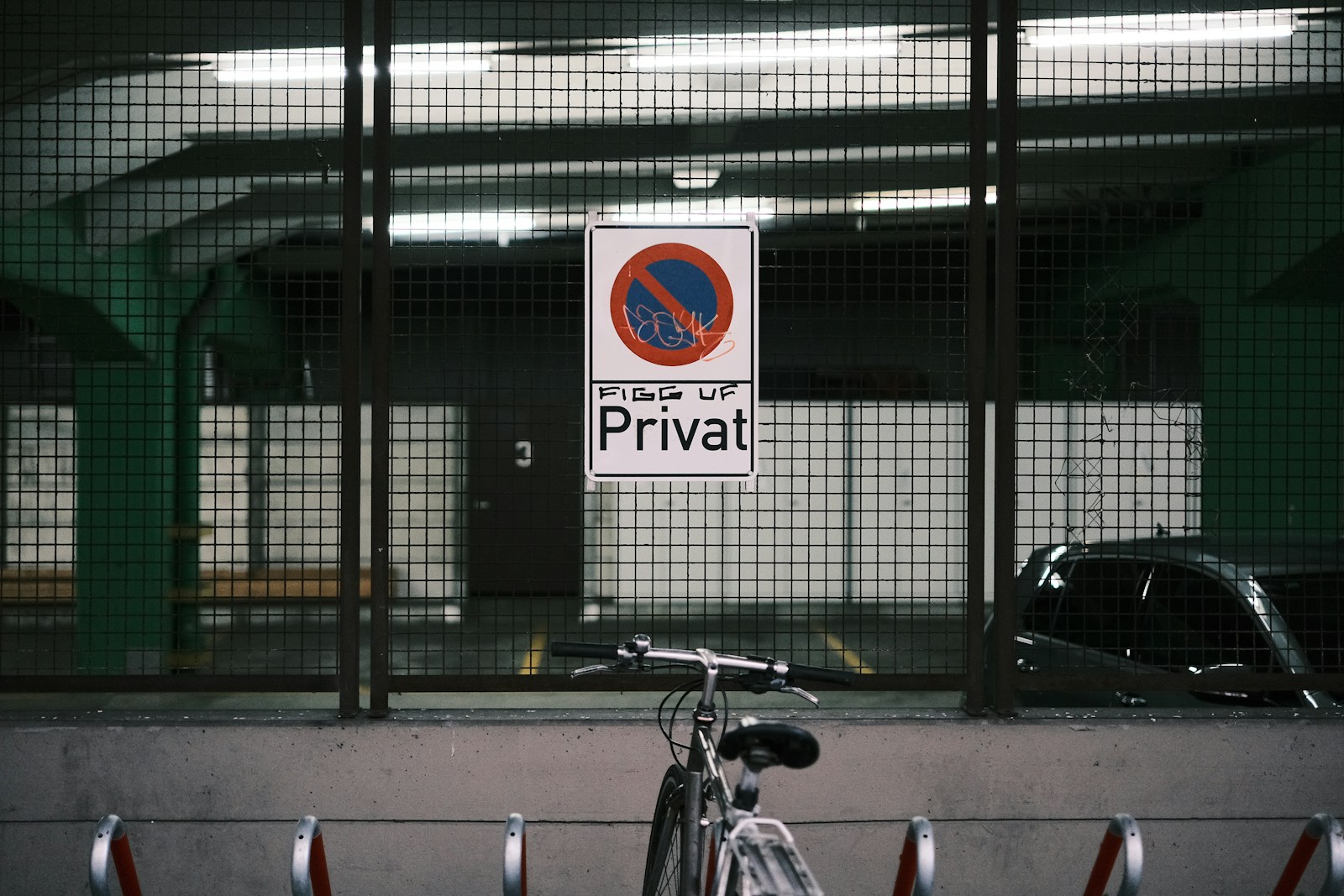

Drivers hunting for a spot in a crowded city are increasingly discovering that the “private lot” they just paid to use is little more than a trap. Instead of a safe place to leave the car, they end up with surprise citations, bogus fees and payment links that drain hundreds of dollars. The schemes are sophisticated enough to fool seasoned commuters, but they follow patterns that careful motorists can learn to spot and avoid.
From fake attendants in neon vests to QR codes that quietly siphon banking details, parking has become a prime testing ground for modern fraud. The most effective defense is understanding how these operations work, how they differ from legitimate private parking, and what red flags to look for before handing over a license plate number or card.
How the “Private Lot” Scam Hooks Drivers
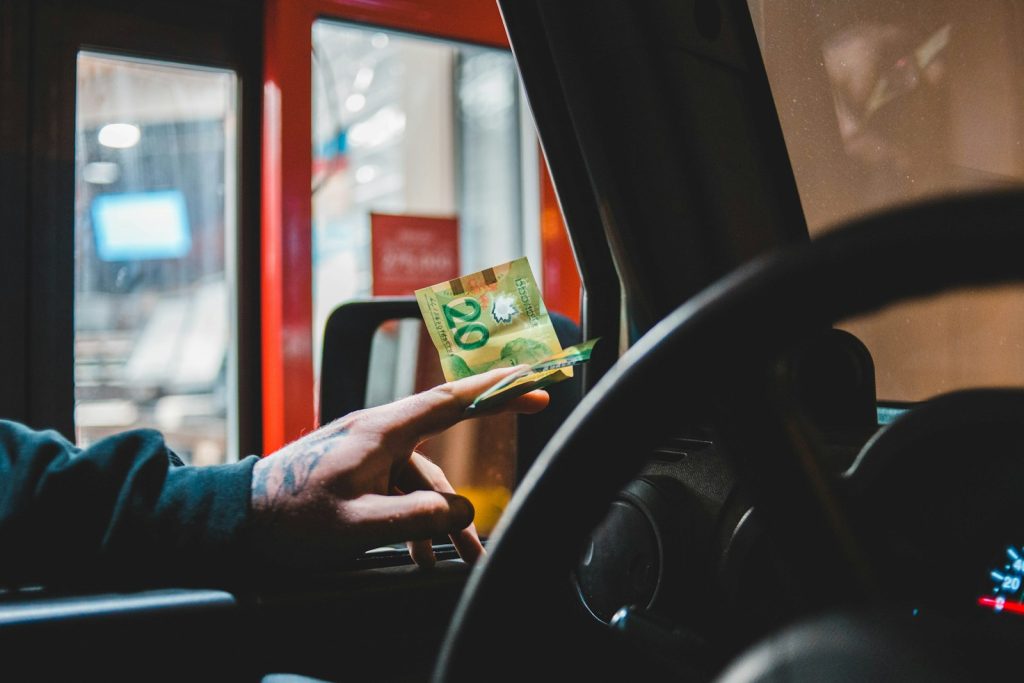
The classic version of the private lot scam starts with a simple promise: convenient parking near a stadium, festival or busy nightlife strip, often at a flat rate that sounds reasonable in the moment. A driver pulls into a lot marked with homemade signs or generic “Parking” boards, pays at a kiosk or via QR code, and walks away believing the transaction is settled. Only later do they receive a “violation” notice claiming they failed to pay correctly, sometimes demanding hundreds of dollars in extra fees and threatening towing or collections if they do not comply.
In some cases, the lot itself is not clearly identified as belonging to a specific company, and the so‑called citation arrives from a private operator that mimics the look of a city ticket. Lawsuits in Florida have described private companies using cameras in privately owned lots to track vehicles and then send out aggressive notices that resemble government penalties, with language about booting, towing or impoundment that can intimidate recipients into paying inflated “administrative” charges and late fees, according to complaints summarized in Miami and Broward.
From Bogus Attendants to Camera Traps
Not every private lot scam relies on paperwork and cameras; some begin with a person in a reflective vest who looks like staff. At big events, drivers often encounter what appear to be official attendants waving them into nearby lots, collecting cash and handing out generic stubs. Consumer advisories describe “bogus parking attendants” who direct You into a lot, take payment and provide a slip that is not actual proof that you paid the property owner, leaving vehicles at risk of towing and owners with no recourse.
Similar warnings have surfaced in Chicago’s Fulton Market District and West Loop, where a business group reported scammers charging people 20 dollars to use private lots they do not control, with one representative saying he has seen the scheme himself in the neighborhood, according to a notice about Fulton Market District. In these cases, the con artists disappear once the lot fills, while the real property owner or a contracted towing company later treats every car as an unauthorized vehicle.
Fake Tickets, Texts and High-Tech Printing
Even when drivers never set foot in a questionable lot, scammers can still reach them through fake citations that look like official tickets tucked under a wiper. Security researchers have documented Scammers who use advanced, portable printers to create convincing parking tickets, complete with barcodes and QR codes that lead to payment portals controlled by criminals. They place these false tickets on cars, leading unsuspecting drivers to enter card details on fraudulent sites that could steal personal information.
The same playbook has moved into text messaging, where Jun and other Scammers use text messages, a tactic known as smishing, to deceive recipients into thinking they have an outstanding parking ticket that requires immediate payment. Separate reports on On the phishing site describe victims being prompted to enter their name and zip code, only to be told they owe a fine regardless of what they type, a clear sign that the system is designed to harvest payment details rather than verify any real violation.
QR Codes, “Quishing” and Digital Parking Apps
As more cities and private operators replace meters with apps and QR codes, criminals have followed the technology. In the United Kingdom, Scammers are taking advantage of the increasing use of digital payment methods in car parks by placing fake QR codes on parking machines, which redirect drivers to malicious sites that capture card numbers and other sensitive information, according to warnings about Scammers. The stickers often blend in with legitimate signage, making it difficult to tell at a glance which code is real.
Cybersecurity specialists describe this as a form of QR code phishing, or “quishing,” and list it among the key digital threats to watch in the coming year. One analysis of Code Scam trends notes that Another rising scam is the QR Code Scam, also known as the Quishing scam, a type of phishing that uses QR images instead of links to bypass some security tools. In South Florida, officials have also warned that QR codes placed on or near parking signs can be used to steal banking information, with the City of Fort Lauderdale urging drivers to be cautious about scanning any random code in park‑and‑pay zones, according to a report on City of Fort.
When “Private Citations” Cross the Line
Some private parking companies argue that strict enforcement is necessary to keep unauthorized cars out of their lots, but recent legal fights suggest that certain practices may go too far. In Florida, lawsuits have been filed against operators accused of using automated cameras to log license plates, then sending out “citations” that resemble government tickets even though they are essentially invoices from a business. Court filings summarized in coverage of They state that the lawsuits are among numerous legal fights underway across multiple states against operators of private parking lots, and that some companies have been accused of tapping into states’ motor vehicle registration databases to track down drivers.
Local governments have started to respond. One effort in South Florida was described as a response to ordinances passed by the city of Miami and Broward County, where officials feared drivers would believe private citations carried the same weight as government tickets, according to reporting on Nov. In some communities, residents have taken to social media to warn neighbors, with one Facebook post urging people not to pay citations from a private parking company and calling it a scam, while also describing how, in downtown Fort Lauderd and other parts of Miami, visitors said there are confusing private systems and that the city of Hollywood unanimously approved new rules to require clearer signage and an appeal process for violators, according to a discussion captured under Watch.
Ticket Lookalikes and Government Impersonation
One reason these scams are so effective is that the paperwork and websites are designed to look like official government channels. Consumer advocates in Charlotte, North Carolina, have warned about a parking ticket scam in which Unsuspecting drivers pay fines online without realizing the site is fake, after receiving notices that mimic city citations and direct them to a fraudulent payment portal, according to a warning about CHARLOTTE. The Better Business Bureau has cautioned that technology is being used to rip people off by exploiting their assumption that anything that looks like a ticket must be legitimate.
Guidance for motorists stresses that Most parking citations will take you to an official city website to process your payment, and that If the citation asks you to pay with a peer‑to‑peer app or directs you to a URL that does not match your local government, it is a red flag, according to advice on Most. Officials also recommend that drivers research available parking and local enforcement rules in advance and report suspicious tickets to The BBB at BBB Scam Tracker, rather than paying immediately.
Valet Surprises, Zelle Payments and Real-World Losses
Private lot scams are not limited to self‑park situations. In Atlanta, a Channel 2 Action News investigation highlighted customers who handed their keys to a valet outside a venue and later received a large parking violation bill in the mail, even though they believed parking was included or properly paid at the time, according to a televised report from Channel. The surprise charges arrived weeks later, leaving drivers to dispute fees with a third‑party company they had never heard of, illustrating how outsourced parking arrangements can blur the line between legitimate enforcement and opportunistic billing.
Payment methods can compound the damage. Peer‑to‑peer services like Zelle are often marketed as convenient, but once money is sent, it can be difficult or impossible to reverse. One Scam victim lost hundreds of dollars through fraudulent Zelle transactions after being tricked into sending money, a reminder of how quickly funds can vanish when scammers steer drivers toward instant‑transfer apps instead of secure card portals. Fraud experts note that New scam trends to know in 2026 often revolve around convincing people to share login information or payment details through channels that offer little consumer protection, as outlined in a security advisory on New.
Official Warnings and How to Vet a Lot Before You Park
Law enforcement and consumer agencies are increasingly trying to get ahead of these schemes, especially around large events where drivers are most vulnerable. Ahead of the Detroit Auto Show, Michigan Attorney General Dana Nessel urged attendees to be aware of parking scams and highlighted advice from The BBB, which included tips such as Know before you park and Research available parking and local rules so that drivers are not forced into last‑minute decisions in unfamiliar areas, according to a public alert summarized at Jan. Officials also recommend checking whether a lot is listed on an event’s official website and verifying that payment machines or apps match what the venue or city uses.
Consumer protection guides echo that drivers should be cautious of third‑party payment platforms that are not clearly linked to a known operator. Jun has warned motorists to be cautious of third‑party parking apps and marketplaces, noting that some of the Top most 6 reported parking lot scams involve Bogus Parking Attendants and fake payment systems that collect money without providing actual proof that a spot is reserved, according to a breakdown of Top. Another advisory on You describes how You arrive at an event where an attendant points you to a nearby lot, you pull in, pay for your spot and receive a payment stub, but later discover the attendant never had permission to charge for the property and simply took your money and ran off.
Old-School Meters, Safer Habits and What To Do If You’re Hit
While parking technology races ahead, some experts argue that older methods can still be safer in certain situations. A driver who has studied meter fraud recommended sticking to the old‑fashioned method of inputting coins or your card into a parking meter, noting that Even if QR codes are convenient, they can be exploited in a multitude of ways by fraudsters, and that scanning codes on parking meters is relatively new compared with established card readers, according to comments reported under Nov. Where possible, drivers can also use dedicated, well‑known parking apps downloaded directly from official app stores rather than scanning codes on signs or machines.
If a suspicious ticket or private citation does appear, consumer advocates advise slowing down rather than paying immediately. Drivers should compare the notice with examples of real city tickets, verify the web address independently, and contact local parking authorities to confirm whether the citation is in their system. Jun and other security researchers who track Bogus Parking Attendants and related schemes stress that scammers rely on panic and urgency, often using language about towing or late fees to push quick payments. Reporting suspicious activity to local police, city parking offices and online tools such as BBB Scam Tracker can help authorities spot patterns and, over time, make it harder for fraudulent private lot operators to keep turning everyday parking into a costly trap.
More from Wilder Media Group: