
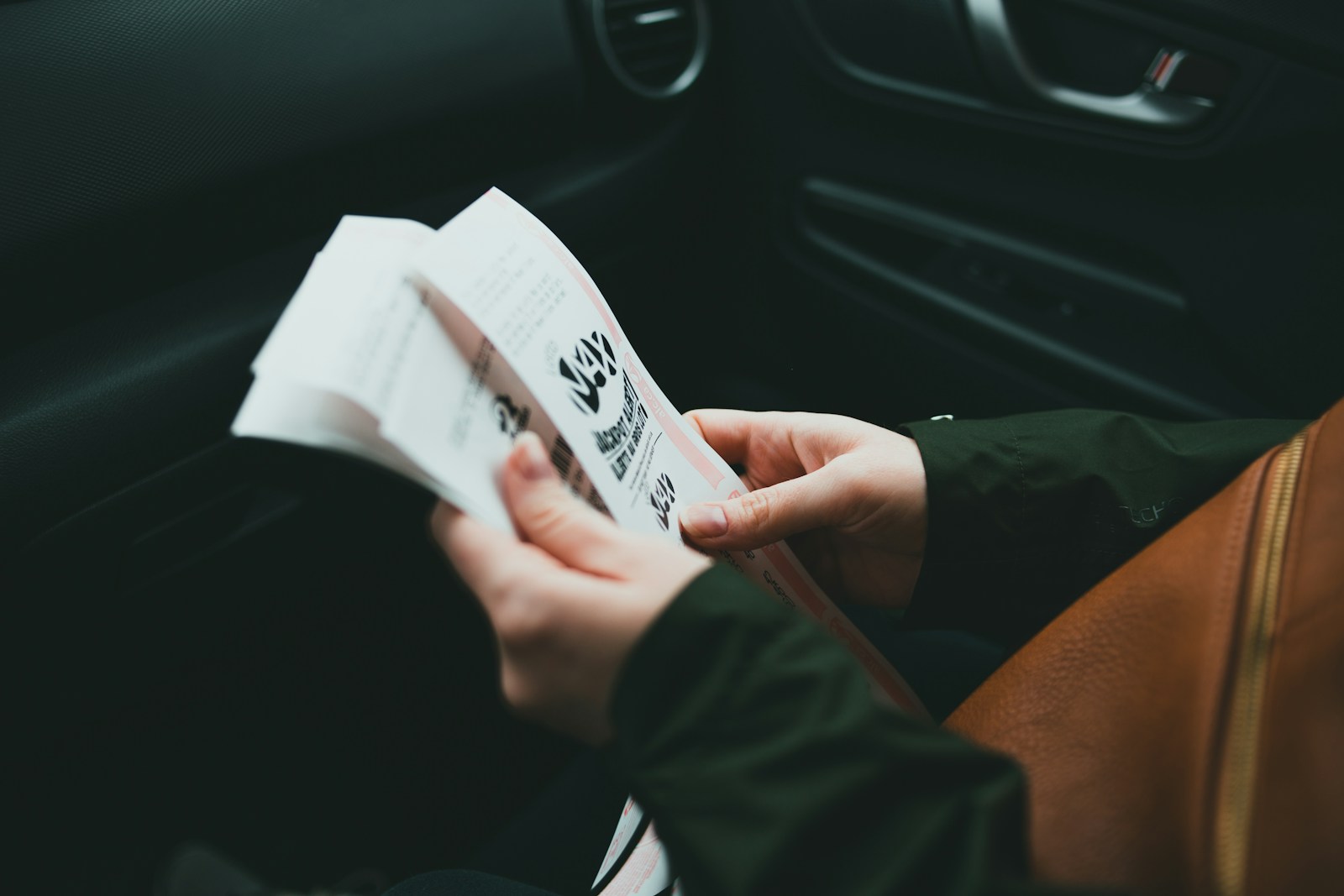

Drivers across North America are returning to their cars to find what looks like an official citation tucked under the wiper or waiting in the mailbox, only to discover later that the “ticket” was never real. The scams are simple, fast and designed to pressure people into paying on the spot before they have time to think. Knowing how to read a ticket like an investigator, and how legitimate enforcement actually works, is now as important as knowing the rules of the road.
Scammers are copying city logos, inventing case numbers and even mimicking online payment portals to turn a few seconds of confusion into a direct line to your bank account. With fake fines now arriving by text, email, paper notice and QR code, the safest response is to assume any surprise ticket is suspicious until you can prove otherwise.
How the new wave of fake tickets actually works

The modern parking ticket scam is built on speed and imitation. A fraudster prints a stack of citations that look official at a glance, then walks a block of cars and tucks them under wipers, or drops envelopes that resemble government mail through letterboxes. In some cases, the “violation” is sent digitally, with a text message or email claiming a car was caught on camera and must be paid immediately. The goal is to catch drivers off guard so they pay before checking whether they were even parked where the notice claims, a pattern described in detail in guidance on how the con unfolds.
Scammers lean heavily on technology to close the deal. Many fake citations direct victims to pay through a QR code, a peer to peer app or a generic payment portal instead of a city website, mirroring warnings that the phony notice often demands online payment by PayPal or a code that links to a spoofed page, as highlighted in one video warning. Others push drivers toward apps like Venmo or Cash App, even though many parking enforcement agencies, including those cited in reports from Windsor in Ontario, stress that they will never ask people to pay tickets through apps like Ven. Once a victim enters card details or authorizes a transfer, the money is gone and the scammer can also harvest personal data for future fraud.
Real world hotspots, from Houston to Windsor and beyond
Officials in several cities are now treating fake tickets as a recurring public safety issue rather than a one off annoyance. In Houston, local leaders have urged drivers to watch out for scam parking tickets that mimic the city’s own citations and even reference downtown blocks where people commonly park for work or events. Residents are being told to cross check any suspicious notice against the city’s official database on the HoustonTX site before paying, because scammers have been bold enough to use real street names and plausible violation codes.
North of the border, the brazen scam sweeping Windsor in Ontario shows how quickly a local fraud can spread. According to officials who spoke after the scheme was exposed by CTV News in Canada, drivers there received texts and notices telling them to settle supposed parking tickets, even though enforcement agencies told them bluntly “we do not know your number” and had never issued the fines. The new fraud targets local residents with messages that look like they come from city enforcement, but the agencies stress that many parking enforcement bodies, including those in Windsor and Ontario more broadly, will not contact drivers this way or demand instant payment by link.
From bogus attendants to auto shows, where scammers hunt
Fake tickets do not appear only out of thin air, they are often the final step in a broader parking scam. Security experts have documented “Bogus Parking Attendants” who put on reflective vests, wave drivers into lots and collect cash or card payments for spaces they do not control, then leave a counterfeit citation on the windshield to make the operation look official. These attendants sometimes work near stadiums, concert venues or busy downtown blocks, exploiting the rush to park before an event, a pattern described among the “Top most 6 reported parking lot scams” that include Bogus Parking Attendants.
Major events are especially attractive targets. Ahead of the Detroit Auto Show, for example, local authorities issued a warning that parking scammers were trying to take advantage of attendees by steering them into unofficial lots and payment channels. Drivers were urged to use trusted platforms like SpotHero and to verify that any parking operator was listed on the show’s official information before handing over money, a reminder that even a world famous event like the Detroit Auto Show can become a hunting ground for fraudsters who rely on crowds and confusion.
Paper, text, email: the many faces of a fake ticket
Scammers have learned that a ticket can be delivered in almost any format, as long as it looks urgent. Traditional paper notices are still common, with slips tucked under wipers or left on doorsteps that mimic local fonts, colors and seals. Some drivers have reported receiving “Fake Parking Tickets in the Mail” that arrive in envelopes resembling government correspondence, complete with barcodes and case numbers, a pattern flagged in consumer safety advice that warns that Fake Parking Tickets can be sent by Mail as well as left on cars.
Digital versions are growing just as fast. In Alhambra in California, drivers have been hit with phishing style parking notices that arrive by text or email and claim to be from local enforcement, part of a broader trend in which phishing has moved offline into the form of fake tickets, as detailed in reports by By Sean Tucker. Elsewhere, a “SCAM ALERT” shared by tech commentators highlighted a fake parking fine text message that claimed the recipient had received a Parking ticket and needed to click a link, a warning amplified by posts that showed the exact wording of the SCAM and how people “Received the” fraudulent Parking message.
Spotting the tells: branding, details and payment clues
Despite how convincing some notices look, fake tickets almost always slip up on the details. Consumer advocates urge drivers to examine the smallest elements of a citation, including the logo, address, case number and even the typeface, because scammers can copy branding but often get the fine print wrong. Guidance that walks drivers through how to check a suspicious ticket stresses that the next step is to pay attention to every line, since Next the scam often reveals itself in a misspelled department name or a vague reference to “city parking authority” instead of a real agency.
Official branding is another major clue. Law enforcement agencies in New York State have warned that if a ticket is issued by a city or municipality you do not recognize, or if it lacks clear government identifiers, it could be a scam, noting that “No Official Branding” is a red flag because Legitimate tickets always include specific agency names and contact details, advice shared in a public alert that urged people to treat any notice without clear logos as suspect and to report No Official Branding examples. Payment instructions are just as important: many city agencies emphasize that they will not ask for fines through peer to peer apps or random QR codes, and that legitimate portals usually end in “.gov” or are accessible through a known parking app, a point echoed in advice that tells drivers to verify the ticket directly through an official website, as outlined in security tips that say to Verify the Ticket before paying.
License plates, locations and “quiet” sensors: when tech blurs the line
One of the simplest checks is also one of the most effective: the license plate. Defensive driving experts advise that drivers should always compare the plate number, make and model on the ticket with their actual vehicle, because scammers sometimes use generic descriptions or get the plate slightly wrong when mass printing notices. Their guidance on how to avoid “Common Ticket Scams” stresses that people should “Check the license plate number” and other details before paying, advice repeated in multiple sections of the “Don’t Fall For It” materials that warn about Common Ticket Scams and how to Avoid Fake Parking Tickets on Your Windshield.
New enforcement technology can make it harder to tell what is real. In parts of California, cities have deployed “quiet” parking sensors that can automatically detect vehicles and trigger fines by mail, which has created an opening for copycat scams that send lookalike citations to homeowners. Reports from the region note that “The Scam Version Looks Convincing California” cities have warned residents that any unexpected fine should be treated as a scam until proven otherwise, especially if it pushes people to pay through unfamiliar portals, a caution repeated in coverage that describes how Scam Version Looks and can be hard to distinguish from real sensor generated fines.
QR codes, phishing links and the push to pay now
Payment technology is at the heart of the latest scams. Many fake tickets now feature QR codes that promise a quick way to resolve a violation, but actually redirect to phishing pages that harvest card numbers and personal data. Cybersecurity guidance warns that if a QR code on a ticket leads to a site that does not match the city’s known domain or asks for unusual information, drivers should stop immediately, advice echoed in consumer tech coverage that lists “Verify payment requests” as the first step and urges people to double check any QR code for a parking ticket payment on a windshield before scanning, a point made explicitly in tips that say to Verify the request.
Phishing style links are just as dangerous. Analysts who track automotive scams note that phishing has come to the offline world in the form of fake parking tickets that look more official than a typical spam text, with some notices in Alhambra arriving in envelopes that mimic government mail while still directing victims to non government URLs, a pattern described in detail in reports on Related parking scams. Security experts advise that if a message or ticket includes a link, drivers should not click it, but instead look up the agency’s website themselves or use a known parking app, a recommendation repeated in advice that lists “7 Ways To Protect Yourself When Selling a Car Privately” and notes that the same caution applies when dealing with ticket related Scams.
What to do the moment you find a suspicious ticket
Experts say the most important move is to slow the situation down. Instead of paying on impulse, drivers should take clear photos of the ticket, the car’s position and any nearby signs, then step away and verify the citation through official channels. Legal advisers who track traffic ticket fraud recommend a simple checklist: read the fine print carefully, compare the details to your vehicle and location, and contact the issuing agency directly before sending money, advice summarized in guidance that begins with “Here are six things to do if you receive a suspicious ticket” and emphasizes that people should Read the fine print before doing anything else.
Verification should always happen through trusted sources, not the contact information printed on the ticket itself. In Houston, for example, drivers are told to use the city’s own online database on the official site to confirm whether a citation number exists, rather than calling the phone number on a suspicious notice, a step that local Officials in Houston have stressed repeatedly. National consumer advocates echo that advice, urging drivers to check with their city’s parking office or court system directly and to treat any demand for payment through peer to peer apps or unfamiliar portals as a red flag, a point reinforced in scam alerts that explain how You should know the rules before you park and how to respond While you are away from your car.
How to avoid becoming a target in the first place
Reporting scams and why speaking up matters
Why fake tickets are spreading and how drivers can stay ahead
More from Wilder Media Group: