

A driver insisting his car was “hit while parked” sounds like a familiar headache for insurers, until a dashcam quietly rewinds the story. Across highways, city streets and even protest lines, cameras mounted on windshields are turning disputed claims into frame‑by‑frame fact checks, exposing staged crashes and false accusations that once might have sailed through as bad luck. The result is a new kind of accountability on the road, where a few seconds of video can decide whether someone walks away with a payout or a criminal charge.
What looks at first like a routine fender‑bender report can, under the cold eye of a lens, reveal a carefully choreographed scam or an incident that never happened at all. From Bengaluru to Brooklyn and from MEMPHIS to New York City, dashcams and CCTV are catching people who try to weaponize insurance rules, public outrage or simple sympathy, and they are reshaping how drivers, police and courts decide who is really at fault.
The “parked car” claim that falls apart on replay
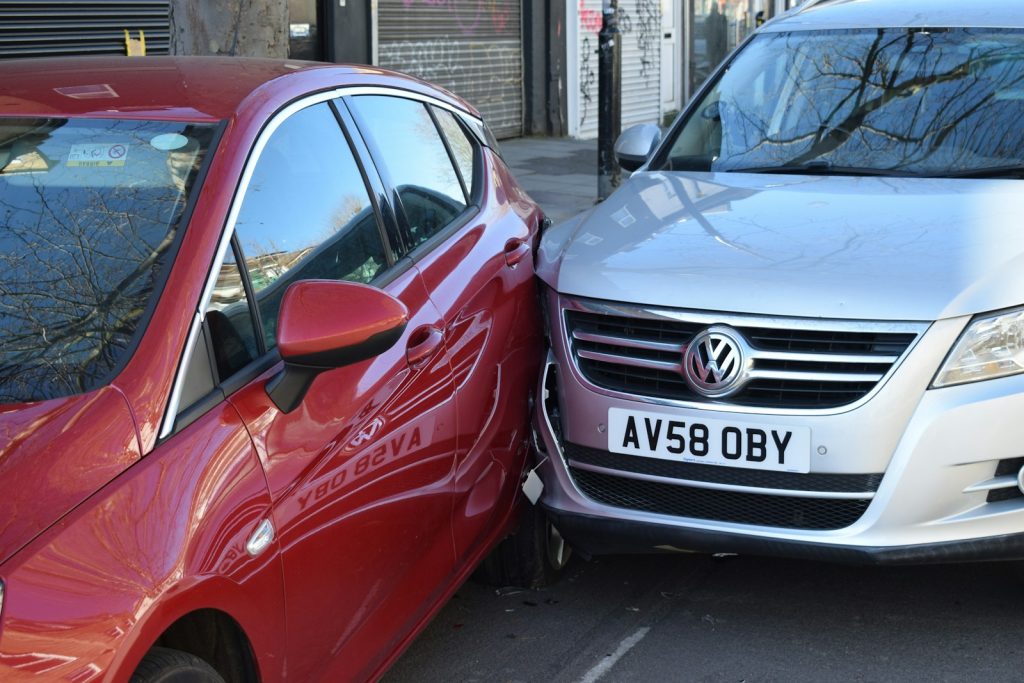
In the classic version of the story, a motorist returns to find a dented bumper, then tells the insurer the vehicle was safely parked when another driver must have clipped it and fled. On paper, it sounds plausible and often hard to disprove, especially if there are no witnesses and the damage pattern is ambiguous. The twist comes when a dash‑mounted camera, or even a nearby CCTV system, has been quietly recording all along and shows the supposed victim reversing into traffic, sideswiping a passing car or even orchestrating contact to set up a claim.
Consumer advocates who track staged collisions describe a pattern in which drivers or pedestrians deliberately create low‑speed impacts, then insist they were stationary or blindsided to maximize sympathy and minimize scrutiny. Groups focused on road safety note that viral clips of cars apparently steering into other vehicles on purpose are not rare anomalies but part of a broader category of Dashcam-documented staged accidents that put ordinary drivers at financial and physical risk.
Crash‑for‑cash on camera, from Bengaluru to Brooklyn
One of the clearest illustrations of this tactic surfaced in Bengaluru, where a viral dashcam clip shows a man approaching a moving car, making contact and then behaving as if he had been struck in a serious collision. The driver’s recording captured how the individual appeared to time his movements to the vehicle’s path, a hallmark of so‑called crash‑for‑cash schemes that rely on quick, confusing encounters to pressure motorists into on‑the‑spot payouts or inflated insurance reports. Local coverage of the Bengaluru incident underscored how easily such attempts can unravel when every step is recorded from the driver’s perspective.
Similar choreography has been alleged far from India. In New York City, investigators reviewing a widely shared crash on the Belt Parkway concluded that the collision had been engineered rather than accidental, with a suspect accused of cutting off another vehicle to trigger impact as part of an insurance scheme. Officials said the viral footage from the Belt Parkway ultimately helped confirm that the event was staged in New York City and contributed to an arrest, showing how the same playbook can surface in very different traffic cultures when there is money to be made.
Reversing into victims: how scammers script the impact
Not all fraudulent crashes rely on pedestrians or sudden lane changes. In some cases, Scammers use their own vehicles as props, reversing into unsuspecting drivers and then insisting they were rear‑ended. A dashcam clip highlighted by local television showed a car pulling ahead of a woman driving alone, stopping abruptly and then backing into her front bumper, before the occupants emerged to argue that she had caused the collision. The footage, which circulated widely as a VIDEO, showed how Criminals can prey upon women driving alone, according to the Nat reference cited in coverage of the case.
The same incident was later detailed in an online report that described how the alleged Scammers appeared to coordinate their movements, using hand signals and preplanned stopping points to choreograph the crash. That account stressed that the dashcam’s perspective was crucial, since without it the damage pattern might have looked like a typical rear‑end collision and the woman could have been held liable. By capturing the moment the other car shifted into reverse, the Criminals were exposed and the narrative of a simple fender‑bender gave way to a story of targeted exploitation.
Brooklyn’s staged crash and the TikTok effect
In Brooklyn, prosecutors say a man went further than a spur‑of‑the‑moment scam, allegedly staging a crash as part of a broader insurance fraud plan that unfolded on a busy highway. According to charging documents, the driver is accused of cutting off another vehicle on the Belt Parkway in a way that virtually guaranteed a collision, then presenting himself as the victim when police arrived. The case drew attention not only because of the traffic disruption but because the entire sequence was captured on a dashcam and later shared widely online, prompting a formal investigation into the Brooklyn crash.
A separate account of the same episode noted that the clip had circulated on TikTok under captions suggesting an obvious setup, which in turn helped tip off authorities that the collision might not be what it seemed. Coverage described how the Man Charged With Staging Car Crash Shown in a TikTok Dash Cam Video became a test case for how social media virality can accelerate enforcement, with The New York Times identifying it as a New York story about a Man Charged With a fraudulent collision. The attention turned what might have been a quiet insurance file into a public example of how online audiences can crowdsource suspicion.
From viral clip to criminal charge in New York City
The Belt Parkway case did not remain an internet curiosity. Investigators reviewing the footage concluded that the crash had been orchestrated, and a New York City man was ultimately charged with insurance fraud in connection with the staged accident. Officials emphasized that the dashcam recording, which had already been dissected by online viewers, provided a clear timeline of lane changes, braking and impact that contradicted the driver’s initial account. In formal statements, authorities described how the New York City case had received widespread attention precisely because the evidence was so accessible to the public.
Additional reporting on the same incident highlighted that a Brooklyn man was facing a litany of charges for allegedly staging the crash, reinforcing that prosecutors saw the behavior as part of a deliberate scheme rather than a single bad decision. The narrative aligned with a broader pattern in which dashcam clips move from social feeds into case files, as seen when a Brooklyn crash that began as a viral curiosity ended with formal fraud counts.
Insurance fraud as a viral spectacle
Staged accidents are no longer just a line item in actuarial tables, they are content. A widely discussed case chronicled how an attempted insurance scam, captured on a driver’s camera and shared online, led to at least one suspect being taken into custody after viewers flagged suspicious behavior. The report, titled Viral Insurance Fraud Attempt Lands One Suspect In Police Custody, was written by Ryan Erik King and noted that the clip had been posted on a Tuesday at 8:40 AM PST alongside a Photo that helped identify the vehicle involved.
The same episode was later summarized in a separate piece that again referred to Viral Insurance Fraud Attempt Lands One Suspect In Police Custody and credited Ryan Erik King with detailing how online sleuths and formal investigators converged on the same conclusion. That account stressed that the timing, described as Tue in the original, and the PST posting window helped explain how quickly the clip spread across platforms. By the time authorities confirmed the arrest, the Photo and video had already been dissected frame by frame by viewers who recognized the hallmarks of a setup.
Dashcams versus disputed narratives on the road and in protests
Dashcams are not only exposing insurance scams, they are also being used by law enforcement to counter public claims about high‑stakes confrontations. In MEMPHIS, The Tennessee Highway Patrol released dash camera footage after rumors spread that a protester had been struck by a cruiser during a demonstration. Officials said the recording showed the patrol vehicle’s path and the positions of nearby individuals, providing a factual record that they argued contradicted the circulating allegation. The decision to publish the Tennessee Highway Patrol footage underscored how agencies now lean on video to shape public understanding in real time.
A similar dynamic played out when Troopers released dashcam video after a claim that a vehicle had hit an anti‑ICE protester, again using the recording to walk through the sequence of events and argue that the allegation did not match the visual evidence. Coverage of that incident noted that the clip, shared by Troopers, was intended to address concerns about the safety of people demonstrating against ICE and to show that the vehicle had not made contact as claimed. In both cases, the cameras served the same function they do in insurance disputes, replacing conflicting stories with a shared visual reference.
Everyday drivers, Facebook posts and the case for cameras
For ordinary motorists, the value of a dashcam often becomes clear only after a close call. In a Facebook group discussion about a Lexus RX windshield warning message, one commenter named Matt Jakowsky Your described how his own accident experience convinced him that everyone should consider installing a camera. He wrote that his dashcam had already paid for itself by proving that a collision was not his fault when he later reviewed the video, a reminder that even non‑viral incidents can hinge on what a small device recorded. The post, which circulated among owners troubleshooting alerts, turned into an impromptu endorsement of Matt Jakowsky Your approach to documenting drives.
Beyond dashcams, fixed CCTV systems are also catching suspicious behavior that might otherwise go unnoticed. One business shared footage of a man walking up and down a road around 2 pm, apparently taking video and staging scenes before leaving quickly, behavior that staff only pieced together after reviewing their cameras. The post noted that what he did was captured on CCTV footage, and that he then made himself scarce very quickly, raising questions about whether he was scouting for a staged incident or some other scheme. For drivers and property owners alike, the message was similar: without video, such odd patterns might never be spotted, let alone challenged.
From social feeds to courtrooms: how video reshapes accountability
As more collisions and confrontations are recorded, courts are increasingly asked to weigh dashcam clips alongside testimony. Legal commentators point to examples where short videos, sometimes shared first on Instagram, later become exhibits in trials over liability and fraud. One popular feed framed a clip with the caption “This looks like a staged accident,” describing a dangerous scam where someone causes a crash on purpose to try and collect insurance money, and highlighted how dashcam-footage can become evidence in court. The framing echoed warnings from consumer advocates that what looks like entertainment online can carry serious legal consequences offline.
Advocacy organizations have also tried to educate drivers about the broader pattern, explaining that dashcam footage of cars seemingly crashing into other cars on purpose is part of a recurring scam known as a staged accident. One explainer stressed that these incidents happen more often than many people realize and that they can involve organized groups targeting specific types of vehicles or drivers. By cataloging examples and outlining red flags, the staged accidents overview connects the viral clips to a larger consumer protection issue, urging both insurers and policyholders to treat suspicious crashes with heightened scrutiny.
Why the “hit while parked” excuse is running out of road
More from Wilder Media Group: