

On a crowded highway, a driver drifts into traffic without checking mirrors, clips a passing car, then insists the other motorist “came out of nowhere.” Moments later, the dashcam plays back a very different story. As cameras become as common as seatbelts, the gap between what some drivers claim and what actually happened is getting harder to hide.
The viral genre of “caught on camera” crashes is not just internet spectacle, it is reshaping how fault is decided, how insurance fraud is exposed, and how ordinary drivers protect themselves when someone tries to flip the blame. The latest clip of a careless merge followed by a confident lie is a case study in what happens when real time video collides with road rage storytelling.
The careless merge that starts it all
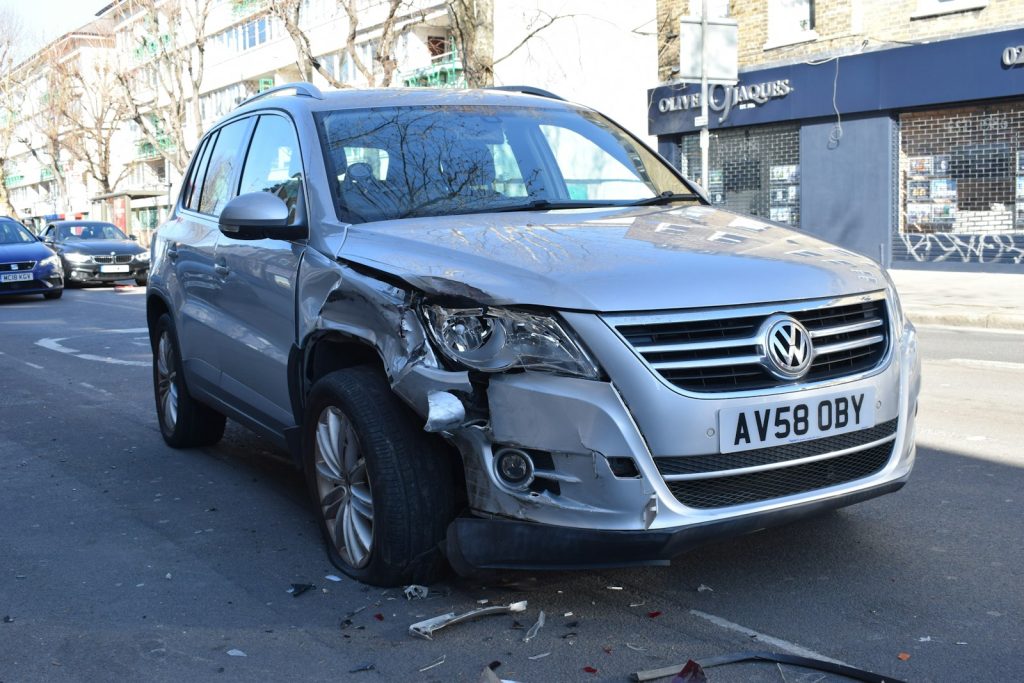
In the typical clip, the sequence is painfully familiar: a car in an on ramp or side lane signals late, or not at all, then slides into a lane already occupied by another vehicle. The merging driver often assumes others will brake to make room, treating the maneuver as a right instead of a responsibility. A recent Nova Scotia video framed it bluntly, declaring that “Merging Is a Responsibility, Not a Right,” after a driver came off the ramp to Highway 107 and nearly caused a serious collision. The camera shows the merging car accelerating into a gap that simply is not there, forcing the through traffic to brake hard.
On social platforms, viewers often freeze frame the moment of impact and argue over who “had space” and who should have yielded. A Reddit thread dissecting an SUV that struck a white car entering its lane captured that split opinion, with one commenter opening with “Edited 2mo ago. Umm yeah and white car had plenty of time to see and react… BOTH at fault.” That kind of armchair analysis reflects a real legal question: how much responsibility sits with the merging driver, and how much with the person already in the lane.
Why merging drivers usually carry the blame
Traffic law in many jurisdictions starts from a simple premise: the vehicle entering a lane must yield to vehicles already there. In California, for example, legal guidance notes that “Although the merging driver is usually at fault, there are cases where the driver already in the lane may be partially liable. That framework matters when a careless merge leads to a sideswipe and the at fault driver insists the other car “sped up” or “cut them off.” The default expectation is that the person changing lanes must ensure the move is safe before crossing the line.
Comparative fault rules can still reduce compensation if the through driver was speeding or failed to take reasonable evasive action, which is why dashcam angles from both vehicles can be so decisive. The California analysis explains that under state law, if both drivers share blame, any injury award can be reduced accordingly, a point repeated in a second reference to the same guidance on how Cal rules handle merging crashes. In practice, that means a driver who merges without looking and then lies about it is not just fighting over pride, they are fighting over real money.
From “I didn’t see you” to “you hit me”
When the dust settles, some drivers pivot quickly from apology to accusation. Injury lawyers warn that an at fault motorist may change their story once they realize their insurance premiums, or even their license, are on the line. One legal explainer on what happens if the at fault driver lies stresses that it is common for someone to deny responsibility at the scene, then repeat that denial to insurers, which is why crash victims are urged to document everything and, if possible, capture what was said in real time.
In some cases, the dishonesty is not just about shading the truth but about constructing an entirely false narrative. Guidance on dealing with a driver who lied about a crash notes that there can be serious Legal Consequences for a crash, including civil liability for damages if the lie causes financial harm. That same resource explains that in certain circumstances, a victim may sue over the false statements themselves, especially when they are part of a broader pattern of fraud.
Dashcams as the quiet witness
Into that fog of conflicting stories comes the silent witness mounted on the windshield. Injury attorneys increasingly describe dash cameras as a crucial tool that can exonerate a careful driver when the other party tries to shift blame. One analysis of in car video evidence notes that Dashcam footage can clear a driver from fault if the other party falsely claims they caused the collision, because the recording shows lane position, speed, and reaction time in a way human memory cannot.
That power is on vivid display in a short clip from Queens, New York, where a man appears to stage a rear end crash by braking hard in front of another car. The video, labeled with “VIDEO CREDIT: @hudsonkuang2529 Insurance fraud attempt in Queens, NY 10 16 2024 PART 1,” shows the suspect looking visibly shaken when he realizes the car behind him has a camera rolling on the Belt Parkway, a reminder that a tiny lens can upend a fabricated claim.
When a lie crosses into a crime
Not every exaggeration at the roadside is a felony, but some are much more than bluster. Legal guidance on post crash dishonesty explains that Lying about a car accident can carry criminal charges, including perjury, obstruction of justice, and insurance fraud, particularly when the falsehood is repeated under oath or in official documents. That same analysis notes that beyond criminal exposure, there can be steep financial consequences or reputational damage if the deception is uncovered.
Another section of the same resource underscores that the Accident In question can also give rise to civil suits over the lie itself, especially if the false story delays medical treatment or blocks an insurance payout. In other words, a driver who merges without looking, blames the victim, and then doubles down in paperwork is not just risking a rate hike, they may be inviting prosecutors and civil lawyers into what started as a lane change gone wrong.
How victims can push back when the story flips
For the driver who did nothing wrong and suddenly finds themselves accused, the first line of defense is evidence. Lawyers who handle disputed crashes advise clients to gather photos, video, and witness names immediately, and to understand that Sometimes it is better to have third party accounts of the incident. Independent witnesses who saw the merge, or who can describe the traffic flow, can support the version of events that matches the video, especially if the at fault driver later changes their tune.
Online advice to drivers who are hit by a merging vehicle and then watch that driver leave or deny responsibility is blunt: contact your insurer and law enforcement quickly. One response to a question about a hit and run merge explained that, if the other motorist later tries to file a claim using their own camera, the answer is “Yes they can,” which is why the victim must file a police report immediately and give their own insurer any footage they have. That paper trail can make the difference between being wrongly tagged as at fault and being fully cleared.
Viral merges and the culture of bad driving
Beyond the courtroom, these clips are shaping public attitudes about what counts as reckless. In Texas, a widely shared story about a car that managed to merge under a semi truck on Interstate 35 near Austin sparked a wave of criticism about local driving habits. The report, written Kelsey Thompson, Austin, described vehicles traveling along Interstate 35 and quoted one viewer dryly observing, “I mean, at least they had their blinker on,” before another joked that it looked like the driver “WANTED to do it.” The sarcasm reflects a broader frustration with motorists who treat signaling as a magic shield rather than a request for space.
Other viral clips show drivers trying to squeeze into impossibly tight gaps, then ricocheting off barriers. A Utah segment shared by a local TV station showed Dash camera video of a car attempting to slip between two others on I 15, only to hit one and slam into the barrier. A second reference to the same footage emphasized that the Dash camera captured the entire sequence, turning a split second misjudgment into a cautionary loop shared thousands of times.
Staged crashes and serial scammers
Not every suspicious merge is a mistake. Some are part of deliberate schemes to trigger contact and then cash in. A Facebook group dedicated to commercial drivers recently circulated a clip under the caption “I saw this on another group. Be on the lookout for this Ford F 150 truck,” warning that the pickup had been seen going southbound from Etna and describing “crazy” behavior in a merge that looked engineered to cause a crash. The post urged other drivers to save and share their own dashcam clips if they encountered the same vehicle.
Television has picked up on the pattern as well. A segment from a reality policing show highlighted a Turns out story about a Honda that had been involved in multiple suspicious collisions, with producers saying “Here’s dash cam footage from late August” to show a pattern of abrupt merges and brake checks. In that context, the camera is not just resolving a single dispute, it is documenting a serial scam that might otherwise have gone undetected.
Why the next merge you record could save you
For all the viral drama, the practical takeaway for ordinary drivers is straightforward: evidence wins arguments. Injury attorneys emphasize that when an at fault driver lies, victims may need to collect not only their own video but also third party accounts, photos of skid marks, and any available surveillance, because Sometimes insurers and courts require a mosaic of proof before they are willing to reject a polished false narrative. That is especially true when both cars were moving and the physical damage alone does not clearly show who moved into whom.
At the same time, legal guides remind drivers that the consequences of dishonesty can be severe. Resources on what to do when the other driver lied stress that the Legal Consequences for a crash include potential civil suits and coverage denials, while reiterating that Lying can also bring criminal charges if it crosses into fraud. In that environment, a small camera on the dash is less about catching strangers in viral wrongdoing and more about ensuring that if someone merges without looking and then tries to pin it on the car they hit, the truth has a fighting chance.
More from Wilder Media Group: