

European sports cars are often celebrated for their design, performance, and engineering. Yet, not all of them manage to capture your interest or succeed in the market. Some of these vehicles, despite their flashy looks and strong marketing, ended up as significant disappointments.
From design flaws to poor sales figures, these models found themselves struggling to make a lasting impact in the automotive world.
BMW M1
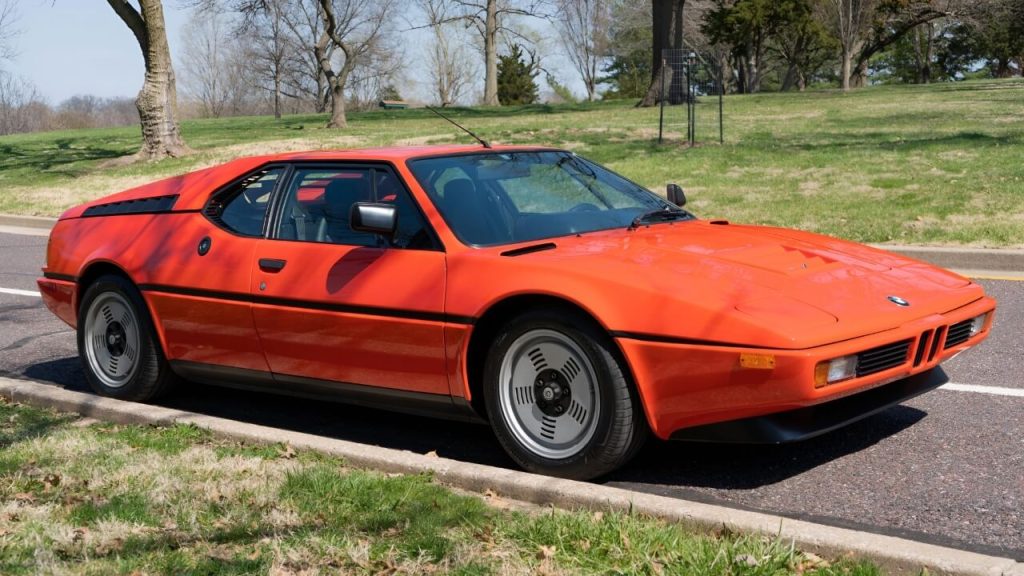
The BMW M1 debuted in 1978 as a mid-engine sports car, designed for the FIA Group 4 racing series. It featured a 3.5-liter inline-six engine, producing around 273 horsepower.
Despite the hype, the M1 struggled to find its place in the market. Only about 450 units were made before production ended in 1981. Its high price tag and limited availability kept it from becoming the sales success BMW had hoped for.
While appreciated by collectors today, the M1’s initial failures marked it as a notable flop in BMW’s history.
Porsche 924
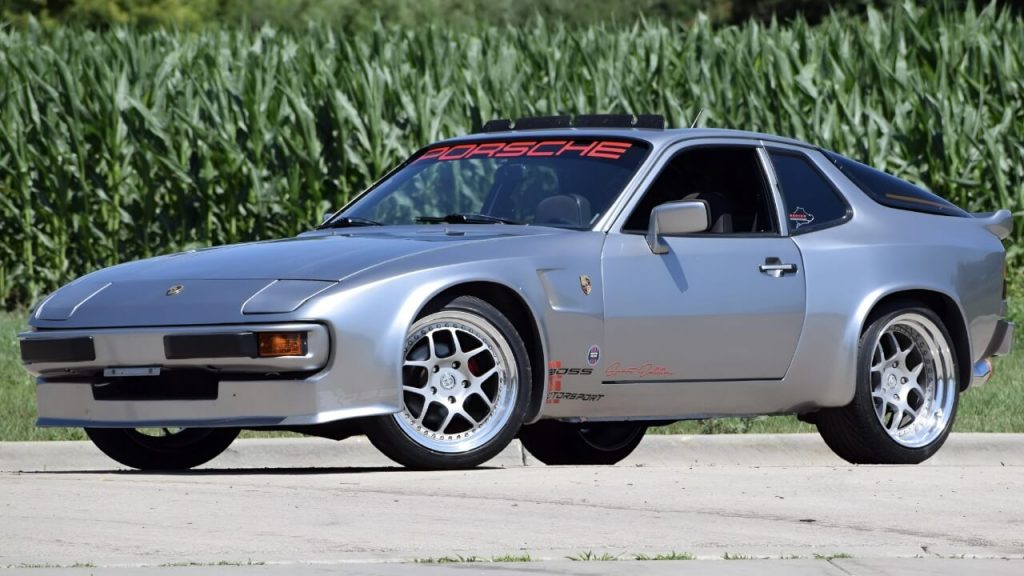
The Porsche 924 hit the roads in 1976 and stuck around until 1988. It was a two-door, 2+2 coupé that aimed to replace the 912E and 914 models.
While it became a bestseller for Porsche, it often faced criticism for not being as sporty as its predecessors. With a front-engine layout and a 2.0-liter inline-four engine, it stood out in the entry-level sports car market.
Many enthusiasts argue that the 924’s design lacks the classic Porsche charisma, making it a controversial choice among fans. Despite its ups and downs, it remains an interesting part of Porsche’s history. Interestingly, only 59 units of the high-performance 924 Carrera GT were built.
Aston Martin Lagonda
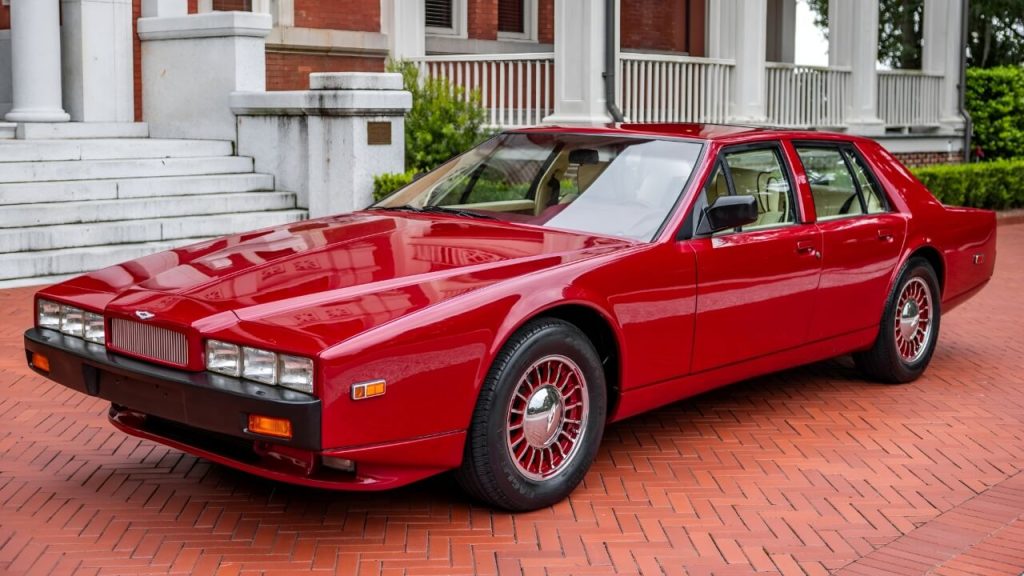
The Aston Martin Lagonda was introduced in the 1970s as a luxury sports sedan. It was known for its unique wedge-shaped design and advanced electronics for the time. Unfortunately, its styling drew mixed reviews.
You might be surprised to learn that only around 645 units were produced before it was discontinued. Many found it difficult to drive, which contributed to its status as a flop.
Despite its challenges, the Lagonda has developed a cult following among enthusiasts today. Its blend of luxury and quirky design keeps it on the radar of collectors.
Jaguar XJ-S
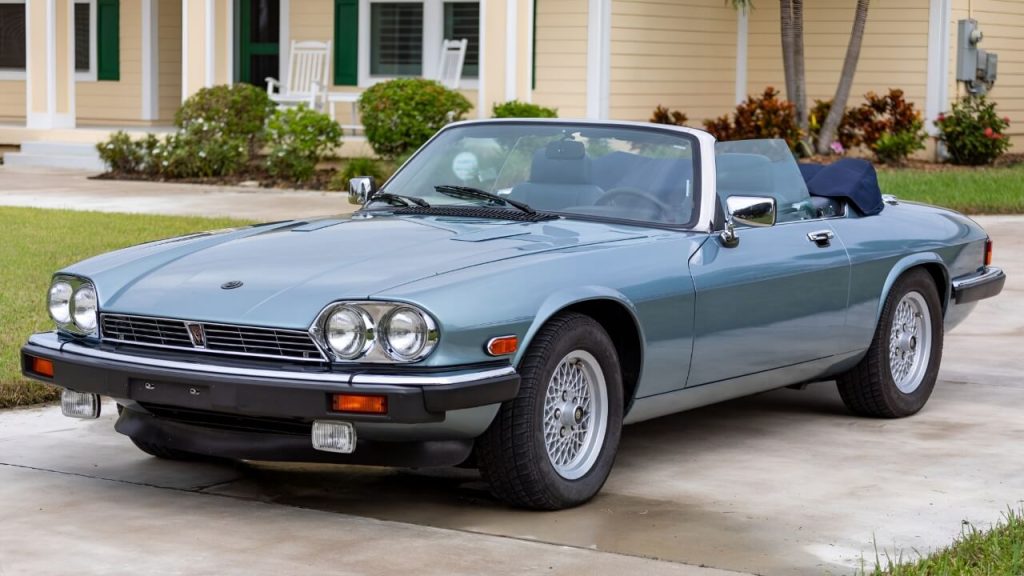
The Jaguar XJ-S, produced from 1975 to 1996, is known for its sleek design and luxury feel. However, it struggled with reliability issues, making it a tough sell in the used car market.
Fuel economy was another drawback. Many owners reported that the XJ-S could consume around 15 miles per gallon. This not-so-great mileage made it less appealing, especially during fuel crises.
You’ll also hear mixed reviews about its performance. While the V12 engine is impressive, maintenance costs can skyrocket. If you’re considering one, be ready for those added expenses.
Ferrari Mondial

The Ferrari Mondial often gets a bad rap in the sports car world. Weighing around 3,500 lbs, it struggled with performance thanks to its 214 bhp output.
Released in 1980, it was not particularly fast, failing to impress enthusiasts when compared to contemporaries like the Porsche 911.
At a price of $62,000 back then, many considered it a poor investment in terms of speed and reliability. If you’re looking for a classic Ferrari, the Mondial might not be the one to bet on.
Alfa Romeo Brera

The Alfa Romeo Brera, launched in 2005, caught attention for its striking design. This sporty coupe was built on the GM/Fiat Premium platform and was considered visually appealing.
Despite its good looks, the Brera struggled in performance. Weighing in at around 3,200 lbs, it was heavier than many rivals, which affected agility.
The rare V6 engine variant offered decent power, but it failed to deliver a truly sporty driving experience. Many enthusiasts were left disappointed, leading to the Brera’s reputation as a flop in the sports car world. For more details, check out this discussion on Reddit.
Lotus Elite
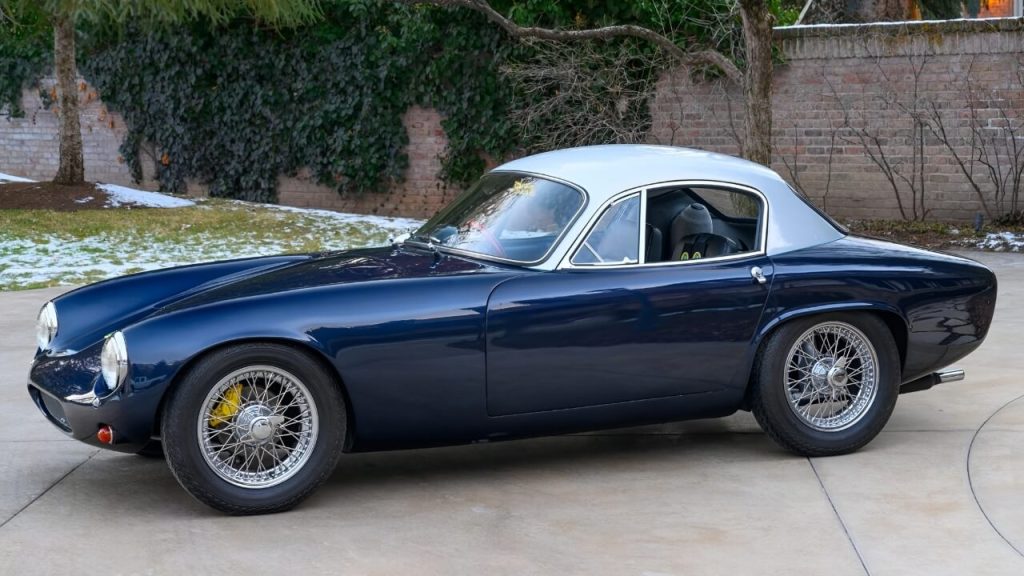
The Lotus Elite, produced from 1958 to 1963, aimed to be a lightweight sports car. It weighed just 1,100 lbs and had a 75-hp Coventry Climax engine.
While it performed well in racing, winning its class at the 24 Hours of Le Mans, it faced issues with build quality and reliability.
With a body made from fiberglass, it was innovative for its time, but that also led to concerns regarding durability. You might find its charm in its unique design, but it certainly had its fair share of critics.
DeLorean DMC-12
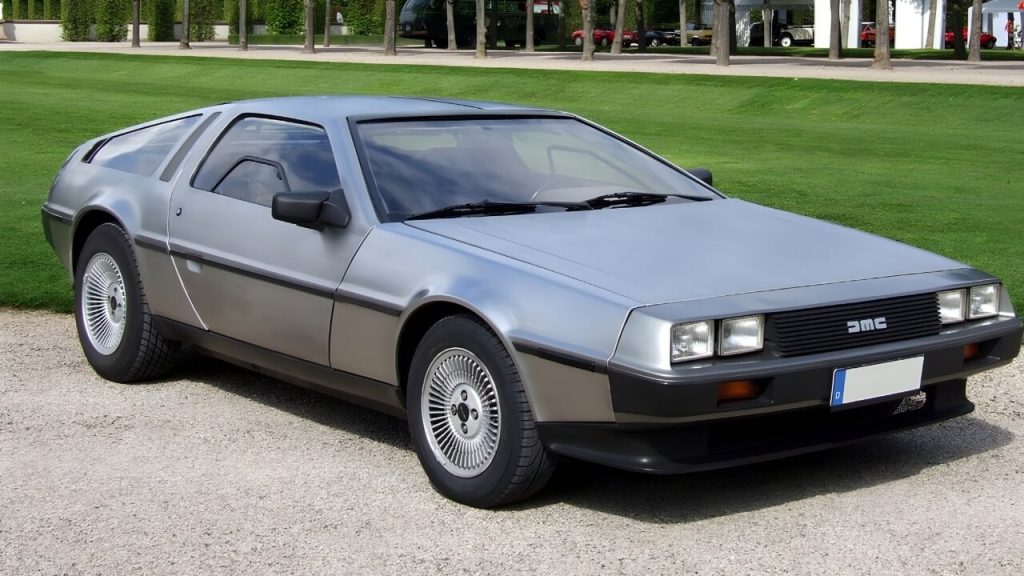
The DeLorean DMC-12 is famous for being a curious blend of style and failure. Launched in 1981, it boasted gullwing doors and a sleek design, but its performance was lacking.
You might notice it had a modest 130 horsepower engine. With a price tag of around $25,000, many felt it didn’t deliver value.
Production ceased after just three years, with only about 8,000 units made. The car became a cult classic thanks to its role in the “Back to the Future” films, turning it into a symbol of quirky automotive history.
Citroën SM
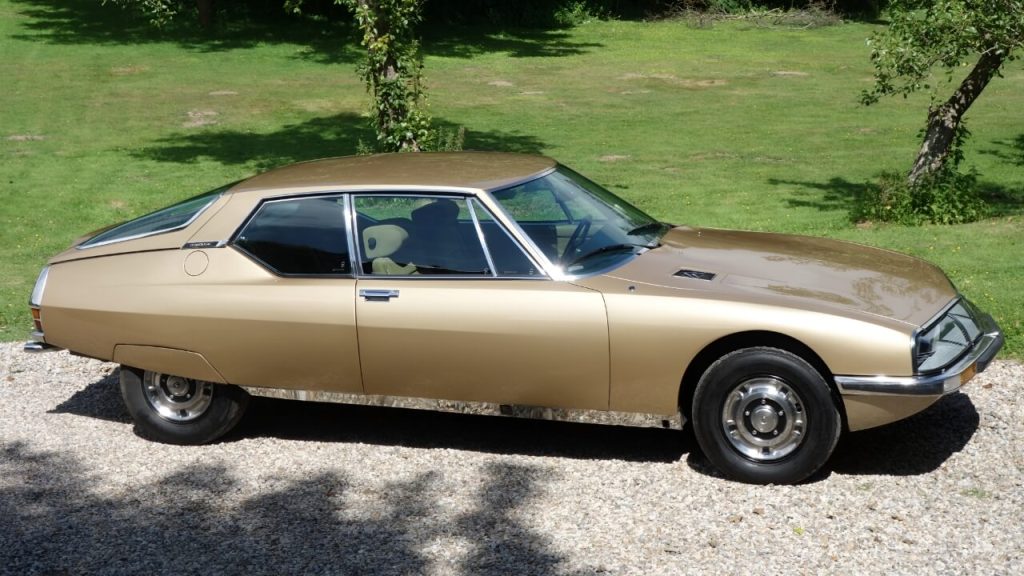
The Citroën SM was a unique ride produced from 1970 to 1975. It packed a 2.7-liter V6 engine, delivering around 170 horsepower. That was impressive for its time.
Although it had a futuristic design and advanced features like self-leveling suspension, it struggled to find its market. Production ended after just about 12,900 units were made.
Despite its innovative concepts, the SM earned a reputation for being expensive to maintain. Many consider it a luxury flop in the automotive world.
Saab Sonett
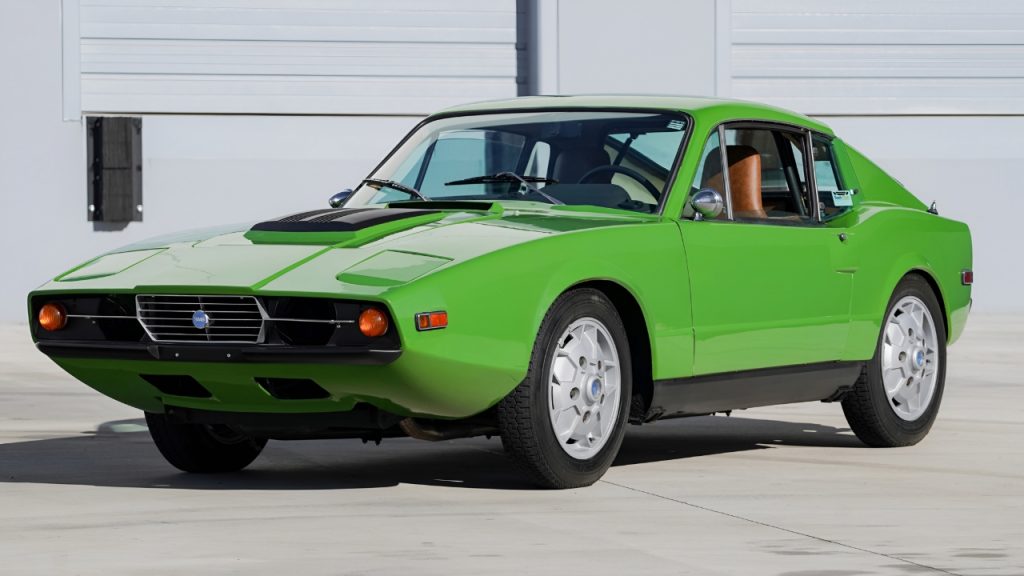
The Saab Sonett is a unique piece of automotive history. Produced in two periods, from 1955 to 1957 and again from 1966 to 1974, this sporty coupe was an attempt by Saab to enter the sports car market.
With its fiberglass body and lightweight design, the Sonett aimed to impress. It featured a 1.5-liter V4 engine, offering decent performance for its time. Unfortunately, its quirky look and low production numbers—just around 6,000 units—meant it never gained much popularity.
Today, the Saab Sonett stands out as a forgotten classic, admired by enthusiasts but ultimately a niche player in the sports car arena.
Renault Avantime
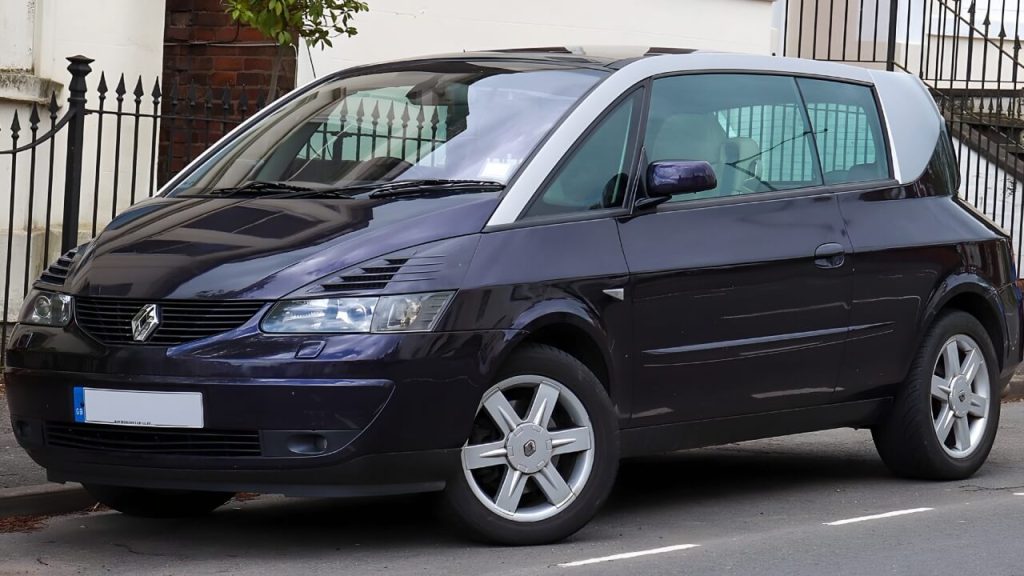
The Renault Avantime is a unique sports car that was produced from 2001 to 2003. With only 8,083 units made, it’s one of those rare finds you might see at a classic car show.
Its design aimed to blend the practicality of a minivan with the style of a coupe. Unfortunately, it didn’t resonate with buyers and is often remembered as a sales flop.
The Avantime was quirky and distinctive, but the market wasn’t ready for such a bold concept. Its limited production solidified its status as a rare piece of automotive history.
Lancia Beta
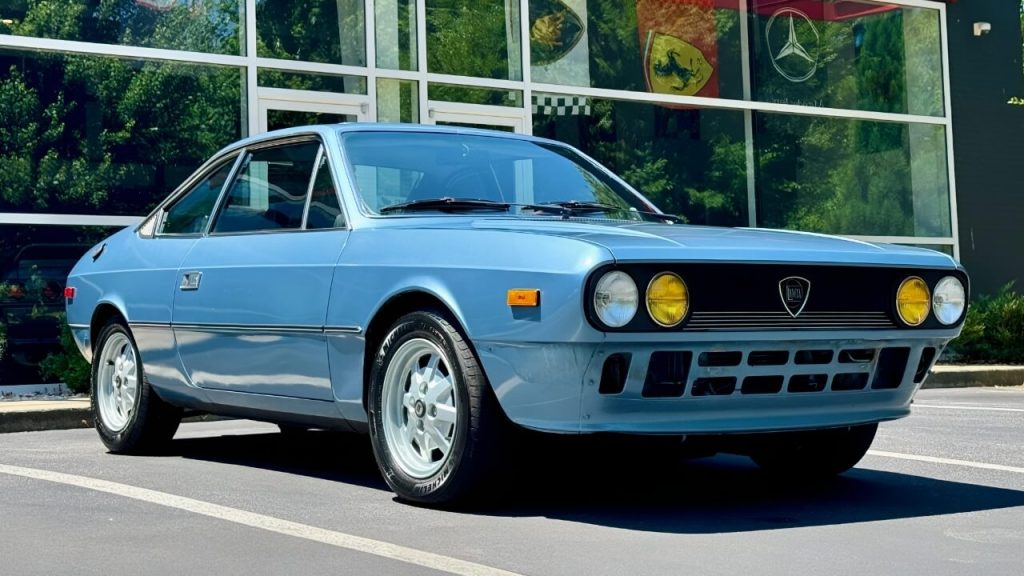
The Lancia Beta was launched in 1972 as an entry-level sports car. It aimed to blend style and performance for the everyday driver.
However, it faced significant issues, primarily with rust. Reports showed that many cars suffered serious deterioration within just a few years.
From 1972 to 1984, Lancia produced around 150,000 units, but its reputation took a hit. The Beta’s charm faded as reliability became a major concern for buyers.
Triumph TR7
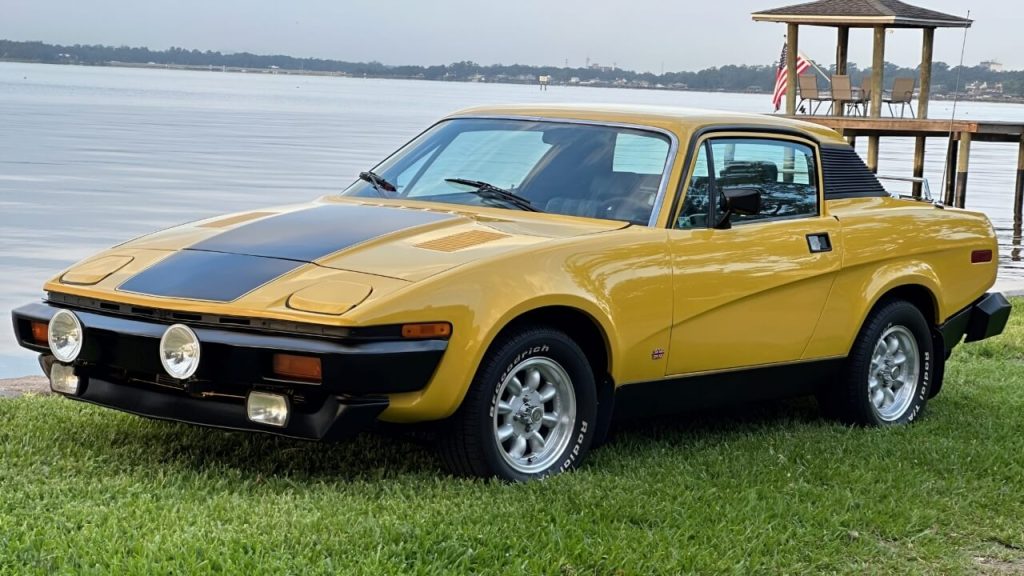
The Triumph TR7, produced from 1974 to 1981, is often labeled as one of the biggest flops in sports car history. With around 112,000 units made, its production faced many challenges.
Many owners reported issues like rusted bodies and oil leaks. Some also noted that it suffered from poor build quality, with complaints about electrical problems and carburetor issues.
Despite a promising design, the TR7 failed to capture the market. It ultimately contributed to the decline of the Triumph brand, which had a nearly century-long history in car manufacturing.
Peugeot RCZ
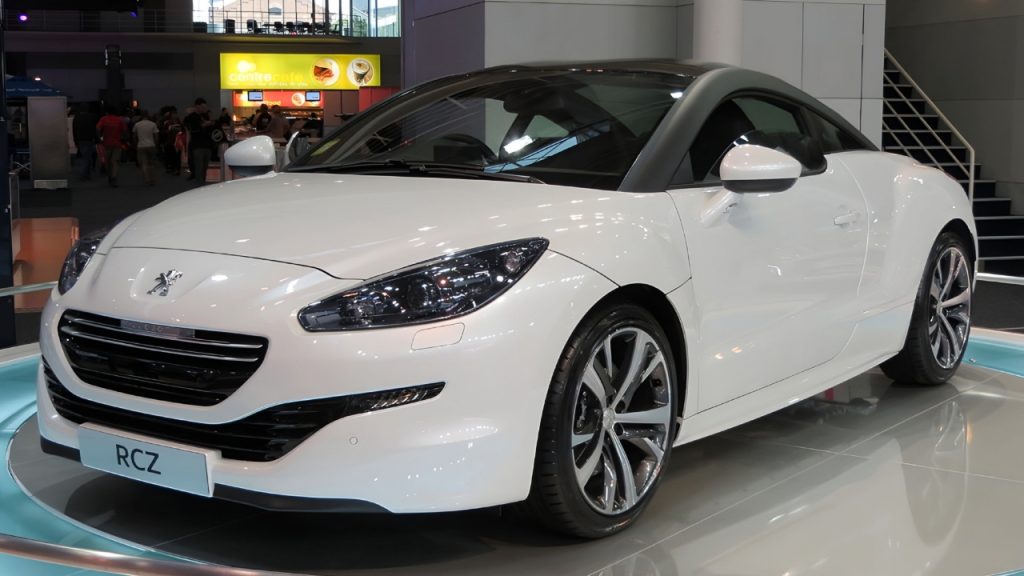
The Peugeot RCZ is a unique sports coupe that was produced between 2009 and 2015. With a striking design and a distinctive double-bubble roof, it caught many eyes but didn’t sell nearly as well as Peugeot hoped.
In total, around 60,000 units were made, which is low for a sports car. While it’s fun to drive and has a decent turbocharged engine, the RCZ struggled to compete with models like the Audi TT, which often overshadowed it.
Its quirky charm just didn’t translate to mass appeal, making it one of the notable flops in the European sports car scene.
Opel GT
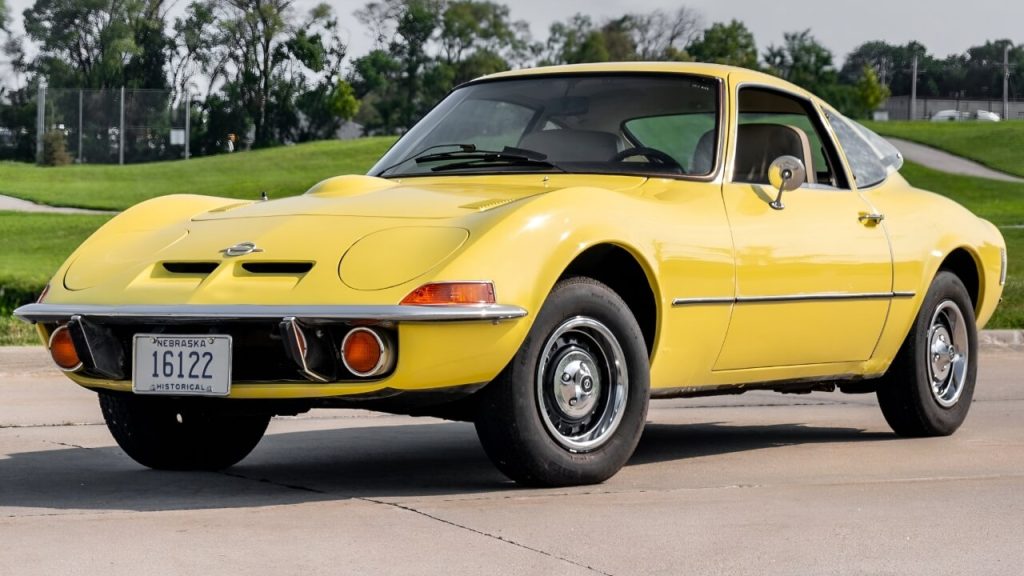
The Opel GT was introduced in 1968 as a sleek sports car aimed at younger drivers. It featured a 1.1-liter engine that produced about 60 horsepower and a larger 1.9-liter version with up to 102 horsepower.
Despite its stylish looks, the GT struggled in markets like the United States. It lacked the performance you’d expect from a true sports car and was often compared unfavorably to competitors like the Corvette.
Production ended in 1973 after just five years, leaving the Opel GT largely forgotten, even though it had a distinctive design and captured the spirit of its time.