
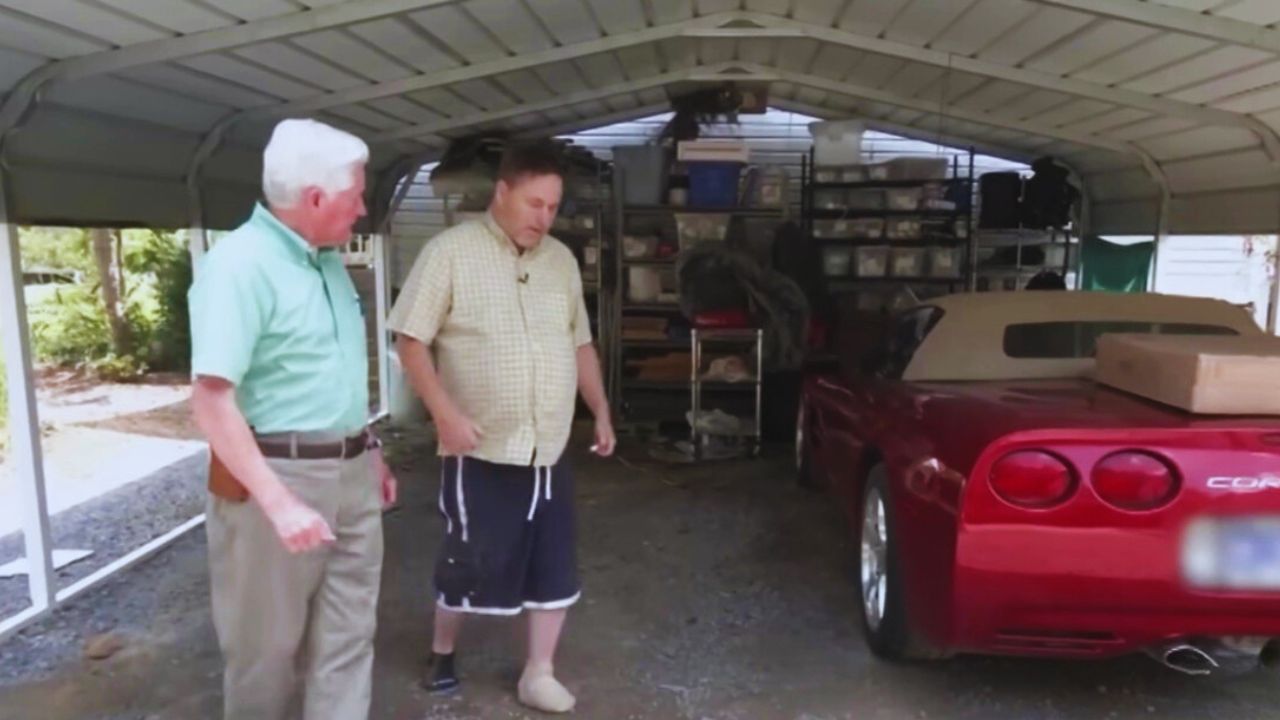

A Tennessee car enthusiast thought he had finally found his dream 1963 Corvette on Facebook Marketplace, only to watch more than $26,000 vanish into a sophisticated online scam. His story shows how quickly a fantasy purchase can turn into a financial crisis when fraudsters exploit trust, urgency and gaps in platform protections. It also illustrates how classic car passion, digital payments and social media can be a volatile mix for buyers who let their guard down.
The victim, identified in multiple reports as Don Maidens from east Tennessee, had spent years collecting cars before wiring his savings to a stranger for a Corvette that never existed. His experience, echoed by other victims of online vehicle schemes, offers a detailed case study in how modern scammers operate and what buyers must do to protect themselves.
The dream of a 1963 Corvette meets Facebook Marketplace
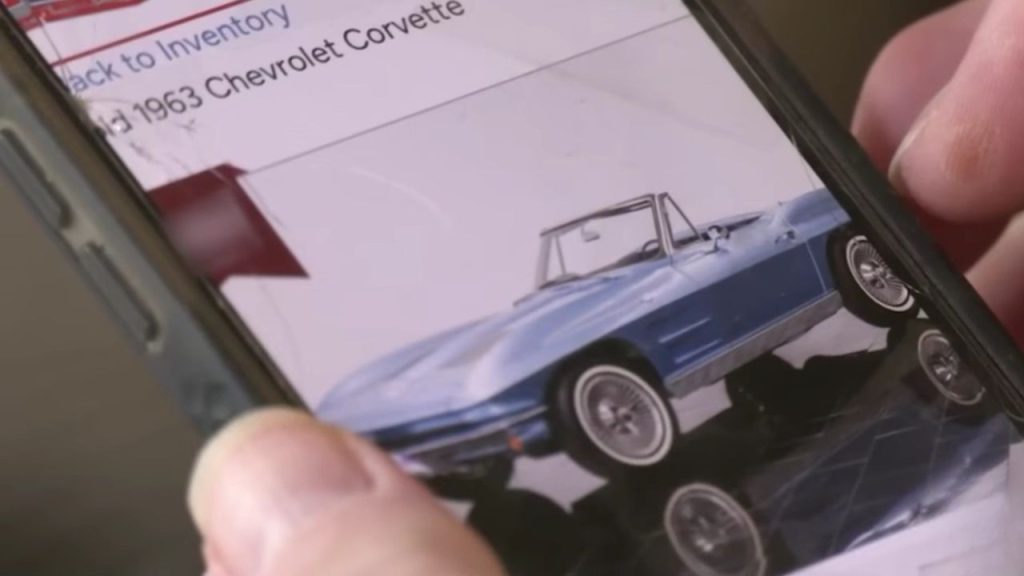
For longtime collectors, a 1963 Corvette is more than a car, it is a symbol of American performance history and a bucket list purchase. Reporting describes how Tennessee resident Don Maidens, who had already collected several vehicles, went looking for that “true classic” and eventually turned to Facebook Marketplace when local options dried up. Earlier this year he scrolled through listings and found multiple Corvettes advertised, including the 63 model he had been chasing, and the emotional pull of finally landing that car set the stage for what followed.
Accounts of the case note that Maidens was browsing Corvettes on Facebook Marketplace when he spotted a 1963 model at a price that looked like a rare opportunity rather than a red flag. Another detailed breakdown of the scam notes that the Tennessee buyer was drawn in by a too-good-to-be-true offer for a 63 Corvette that appeared legitimate at first glance, complete with photos and a plausible backstory from the supposed seller.
How a seasoned car collector still got hooked
What makes this case striking is that Maidens was not a novice buyer stumbling into his first big-ticket purchase. Reports emphasize that he had collected cars for years and prided himself on knowing the market, yet he still fell for a scam that drained more than $26,000. That contrast underscores how even experienced enthusiasts can be disarmed when a listing aligns perfectly with a long-held dream and appears to be backed by convincing documentation.
Investigative coverage recounts that Maidens, an east Tennessee resident, had previously bought and sold vehicles without incident before he turned to Facebook Marketplace for a 1963 Corvette. Another account notes that the Tennessee man wired $26K after being reassured by the seller that the car was in excellent condition, a pattern that aligns with broader analysis of how Stephen Rivers and other analysts describe scammers exploiting even seasoned buyers with forged paperwork and persuasive messages.
The listing that looked perfect, right down to the price
The fake Corvette listing checked every box for a classic car hunter: desirable model year, clean photos and a price that seemed like a bargain but not outright impossible. One report notes that on the page Maidens was browsing, there were “three, four” Corvettes, including a 1963 example and even a 73 model advertised for $11,800, which helped normalize the idea that rare cars could be had cheaply in that online community. That context made the scammer’s offer feel less like an outlier and more like part of a broader market of underpriced classics.
Coverage of the case highlights that the Tennessee buyer was drawn to a 1963 Corvette priced far below what collectors would expect, a classic sign of a fraudulent listing. Analysts point out that the presence of other low-priced cars, such as a 73 Corvette for $11,800, helped scammers frame their own offer as just another good deal. A separate breakdown of the scam notes that this low price should have been the first warning sign for Maidens, yet he proceeded after the seller insisted the car “drove perfectly,” a detail echoed in coverage of how Maidens was reassured despite his initial doubts.
Step by step: wiring away more than $26,000
Once the hook was set, the payment unfolded in a series of transfers that left Maidens with little recourse. Reports state that the east Tennessee buyer ultimately sent more than $26,000 to secure the car, relying on bank wires and digital payments instead of any escrow or platform-backed transaction. The seller framed the urgency as a need to move quickly before other buyers swooped in, a tactic that pushed Maidens to send funds before he had seen the vehicle in person or verified the paperwork with independent authorities.
Video coverage of the case describes how the east Tennessee man thought he was buying a vintage Corvette but ended up being scammed out of $26,000, money he wired after the seller sent convincing images and claimed the car was stored out of state. A detailed written account notes that the Tennessee buyer wired $26K for a Corvette deal and then found himself blocked on Facebook, a sequence that left him with no car, no contact and a depleted bank account.
“Boom, gone”: the moment the scam snapped shut
The emotional pivot in Maidens’ story comes when he realizes the Corvette never existed. One account quotes him describing how the money was “Boom, gone” once the transfers cleared and the seller cut off communication. That phrase captures the speed with which a carefully staged negotiation collapsed into silence, leaving the Knoxville area buyer staring at empty messages and a vanished profile instead of a shipping confirmation.
Coverage focused on Knoxville notes that the man was out $26,000 on a 1963 Corvette that never existed, with the “Boom, gone” line underscoring how quickly the scammer disappeared once the funds were secure. Another detailed narrative of the Tennessee man’s experience notes that he knew “it was all over” when the seller stopped responding and the listing vanished, a moment also described in a separate analysis of how the fantasy car that turned into a nightmare left the buyer with no way to recover his money through the platform or his bank, as outlined in Tennessee focused coverage.
What Facebook Marketplace did, and did not, protect
After realizing he had been duped, Maidens tried to get help from the platform where the deal began. Reports say he contacted Facebook Marketplace to report the fraudulent seller and the nonexistent car, but by then the listing had been removed and the profile appeared to be gone. That sequence highlights a recurring problem for victims: once a scammer deletes or abandons an account, the visible trail inside the app shrinks, even if internal records still exist.
Analysis of the case notes that Facebook does provide purchase protection in some circumstances, but only when buyers follow specific rules and keep transactions within approved channels. In Maidens’ situation, the payments were wired outside the platform, which meant he did not qualify for those safeguards, a limitation detailed in coverage of how the Facebook Marketplace protections work in practice. A separate report on the Tennessee man’s loss stresses that the platform removed the listing after the complaint, but that did nothing to restore the $26K he had already sent, a point echoed in another account urging readers to Tennessee proof that removal alone is not a remedy.
Inside the scammer’s playbook: forged documents and fake reassurances
The Corvette that never arrived was backed by a stack of lies that looked convincing enough to pass a casual review. Reports describe how the seller provided photos, a supposed title and reassurances about the car’s condition, telling Maidens that it “drove perfectly” and was ready to ship. Those details, combined with a plausible story about why the car was priced low, helped override the buyer’s initial skepticism and made the transaction feel more like a rare find than a trap.
Analysts who examined the case note that the scam followed a familiar pattern: a too-good-to-be-true price, pressure to act quickly and a demand for payment through irreversible methods. One breakdown of the incident points out that the Tennessee man was lured by a fake 1963 Corvette listing that combined forged documents with a seller who vanished once the money cleared. Another account focused on the 1963 Corvette buyer notes that the low price should have been the first red flag for However, the seller’s assurances and documentation were enough to push him past that warning.
He is not alone: a wider wave of vehicle scams
Maidens’ loss is part of a broader pattern of vehicle scams that have spread across social platforms and classified sites. Investigative video from Florida shows how a couple there lost their life savings in a similar scheme involving a vehicle advertised on Facebook, with fraudsters again using fake listings and high-pressure tactics to extract large payments. The report describes how News Six investigator Lewis Balden uncovered a disturbing trend of online vehicle scams targeting hardworking families, reinforcing that the Tennessee Corvette case is not an isolated fluke.
Other coverage of Maidens’ experience notes that he eventually turned to a local consumer reporter after realizing he had been scammed, hoping his story would warn others. A detailed write-up on the east TN man explains how Maidens contacted Facebook Marketplace and then a local station after he “got scammed,” while another account of the Maidens case underscores that his story has become a cautionary example for other classic car fans. Video segments on the east Tennessee man who thought he was buying a vintage Corvette but lost $26,000 show that consumer advocates now see these scams as a recurring threat rather than a rare anomaly.
How to avoid becoming the next Corvette victim
The details of Maidens’ ordeal offer a checklist of what not to do when buying a vehicle online. Experts who reviewed the case stress that buyers should never wire large sums to private sellers they have not met, especially for cars they have not inspected in person or through a trusted third party. They also recommend insisting on verifiable documentation, cross checking VIN numbers with independent databases and using payment methods that offer chargeback rights or platform-backed protection instead of irreversible transfers.
Analysis of the Tennessee case points out that Facebook’s purchase protection only applies when buyers follow specific steps, including keeping communication and payment within the platform’s approved tools, a nuance highlighted in coverage of how Facebook structures its safeguards. Another breakdown of the scam emphasizes that the Tennessee man’s decision to wire funds outside those channels left him exposed, a point echoed in reporting that the Corvette buyer’s loss should serve as a warning to anyone tempted by a 1963 model priced far below market value. Consumer advocates say the safest approach is to treat any underpriced classic as guilty until proven legitimate, and to walk away the moment a seller insists on fast, irreversible payment.
More from Wilder Media Group: