
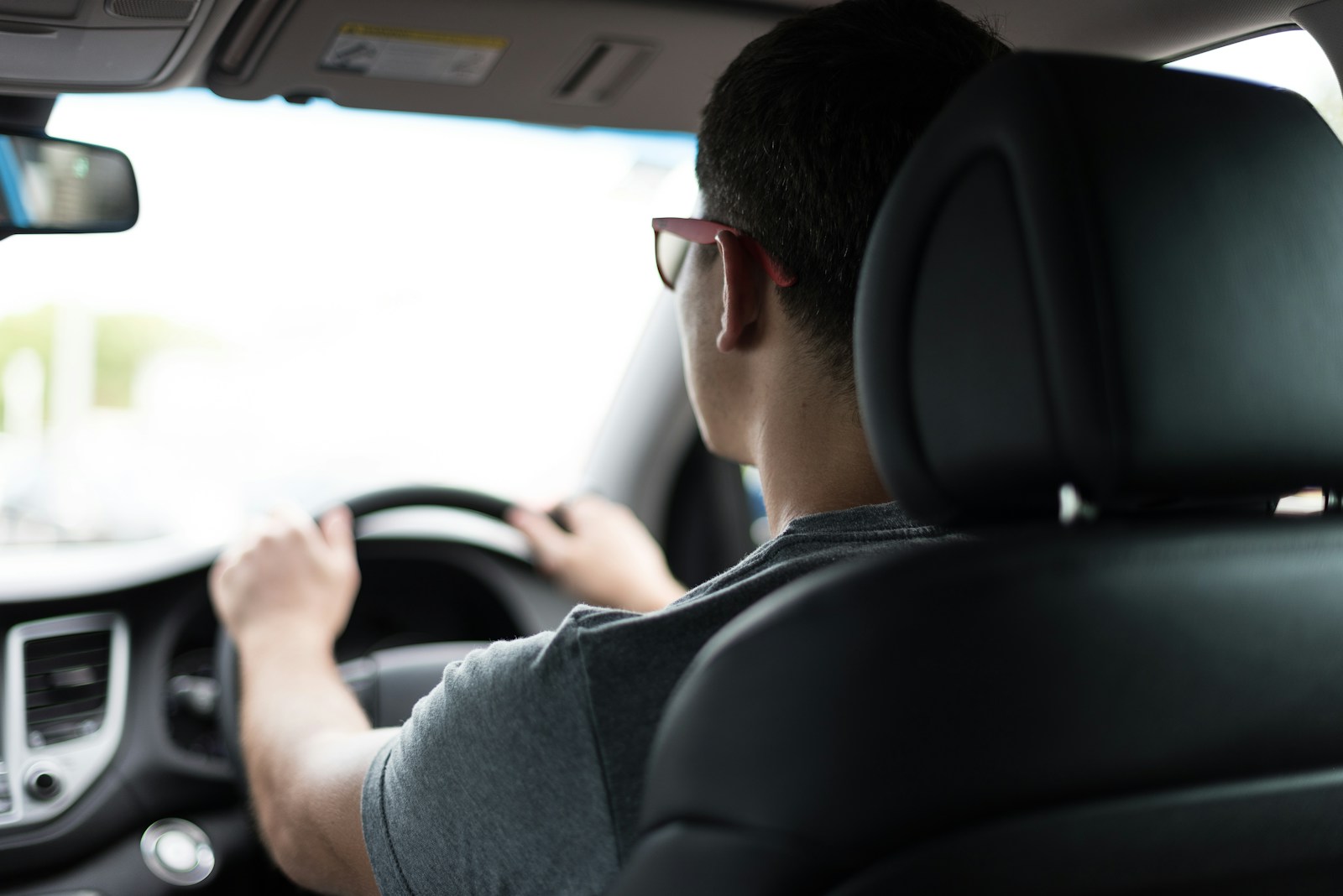

New drivers often cringe when they remember the first months behind the wheel, and many of their “dumbest” mistakes share a common thread: distraction. Surveys show that two thirds of motorists admit to messing up because their attention drifted, and the most embarrassing errors usually come from ordinary in-car moments that felt harmless at the time.
1) Forgetting to signal a lane change while fiddling with the AC vents
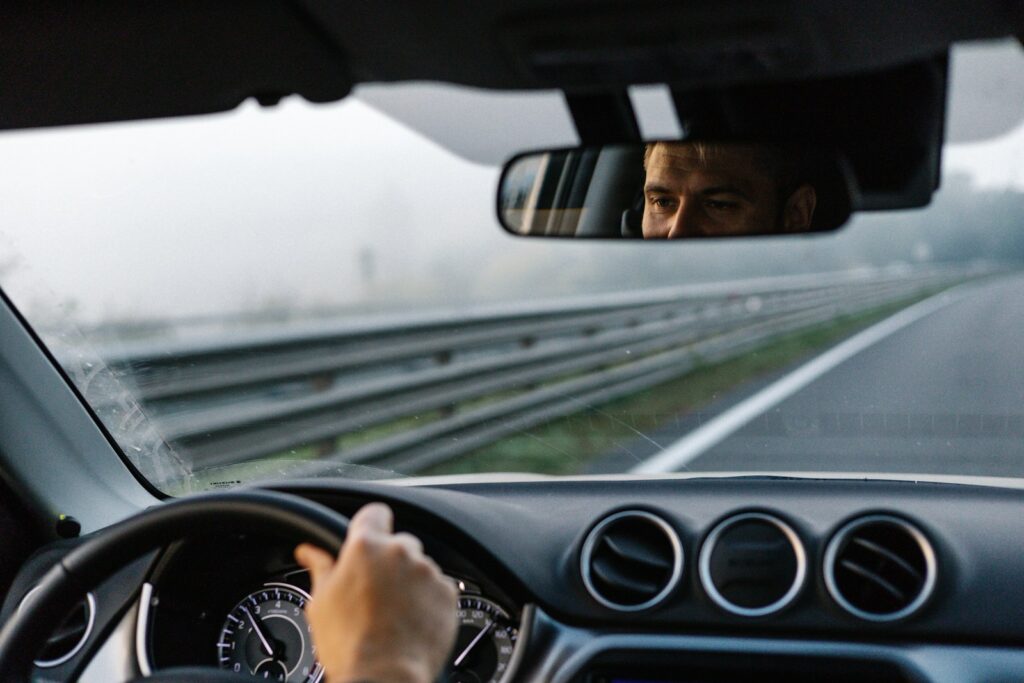
Forgetting to indicate while nudging the air vents or tweaking the climate controls is a classic rookie mistake, and it fits squarely into the pattern of drivers underestimating everyday distractions. Research shows that around two thirds of motorists admit they have made errors because they were distracted, yet many of those lapses start with something as mundane as trying to cool the cabin or clear a fogged windscreen.
The stakes are higher than a minor etiquette slip, because failing to signal can trigger sudden braking or swerves from other road users who never saw the move coming. New drivers, still learning to judge gaps and mirror positions, are especially vulnerable when one hand is on the vent dial instead of the wheel. Treating ventilation, heated seats and touch-screen climate menus as “parked-only” tasks helps keep attention on blind spots, not on whether the fan is set to level three or four.
2) Misjudging speed limits while chatting about dinner plans with a friend in the passenger seat
Misreading a 30 mph street as a 40 mph zone while debating pizza toppings with a friend is another blunder many beginners quietly admit. Surveys highlight that talking to passengers ranks among the biggest causes of driving mistakes, outstripping some of the tech-based risks that usually dominate public debate. A casual conversation can easily drown out a new speed sign or a subtle change in road layout.
Once the limit is missed, novices often compound the error by copying surrounding traffic instead of checking the dashboard. That habit is especially risky in unfamiliar suburbs, where limits can drop quickly near schools or pedestrian-heavy shopping streets. Setting ground rules with friends, such as pausing conversations in complex areas or when approaching junctions, helps new drivers keep their mental bandwidth focused on signs, not side chatter about where to eat.
3) Nearly rear-ending a car ahead after zoning out about school drama
Drifting into thoughts about exams, friendships or workplace politics, then suddenly slamming the brakes, is a frightening wake-up call for inexperienced motorists. Evidence shows that daydreaming is one of the biggest causes of distracted driving mistakes, proving that the mind can be as hazardous as any gadget. When attention slides inward, reaction times stretch just enough to turn a routine slowdown into a near-collision.
For new drivers, who are still building automatic habits like checking mirrors and scanning brake lights ahead, mental wandering can erase the safety margin they thought they had. Techniques such as narrating key hazards out loud or mentally listing escape routes at junctions keep the brain anchored to the road environment. The goal is not to eliminate thoughts about life, but to postpone them until the engine is off and the keys are out.
4) Bumping a curb while debating music choices with siblings
Clipping a curb during a low-speed turn while arguing over whether to stream a playlist on Spotify or switch to radio is another sheepish confession from new drivers. Multiple surveys indicate that Talking to passengers can be a main cause of distracted driving mistakes, especially when the chat morphs into a mini-debate. Even a brief glance at a phone screen or dashboard menu to settle the argument can pull eyes away from the kerb line.
These bumps rarely cause serious damage, but they can bend wheels, damage tyres and knock alignment out of spec, which becomes a hidden cost for families already paying high insurance for young motorists. A simple rule that the driver controls the audio, or that only a designated “co-pilot” touches the screen when the car is stopped, can sharply cut these low-speed mishaps. It also trains new drivers to treat every tight turn or parking manoeuvre as a no-distraction zone.
5) Swerving unexpectedly after getting lost in thought about the weekend
Perhaps the most unnerving rookie mistake is an unexplained swerve after the driver realises their mind was replaying weekend plans instead of tracking lane position. Surveys show that two thirds of motorists have made mistakes because they were distracted and that the main cause is not their phone, with 66% also admitting to using phones while driving. Other research finds that Talking to passengers and daydreaming can be bigger triggers than mobile use.
Despite that, phone habits still matter: one survey reports that Over 90% of drivers think phone use is getting worse and only 48% believe current laws are working. For new motorists, the lesson is that distraction is a spectrum, from mental time travel to checking email, and any point on that spectrum can nudge a car off course. Building rituals like checking mirrors at fixed landmarks or lightly adjusting lane position every few seconds can help catch drift before it becomes a dangerous swerve.
More from Wilder Media Group: