
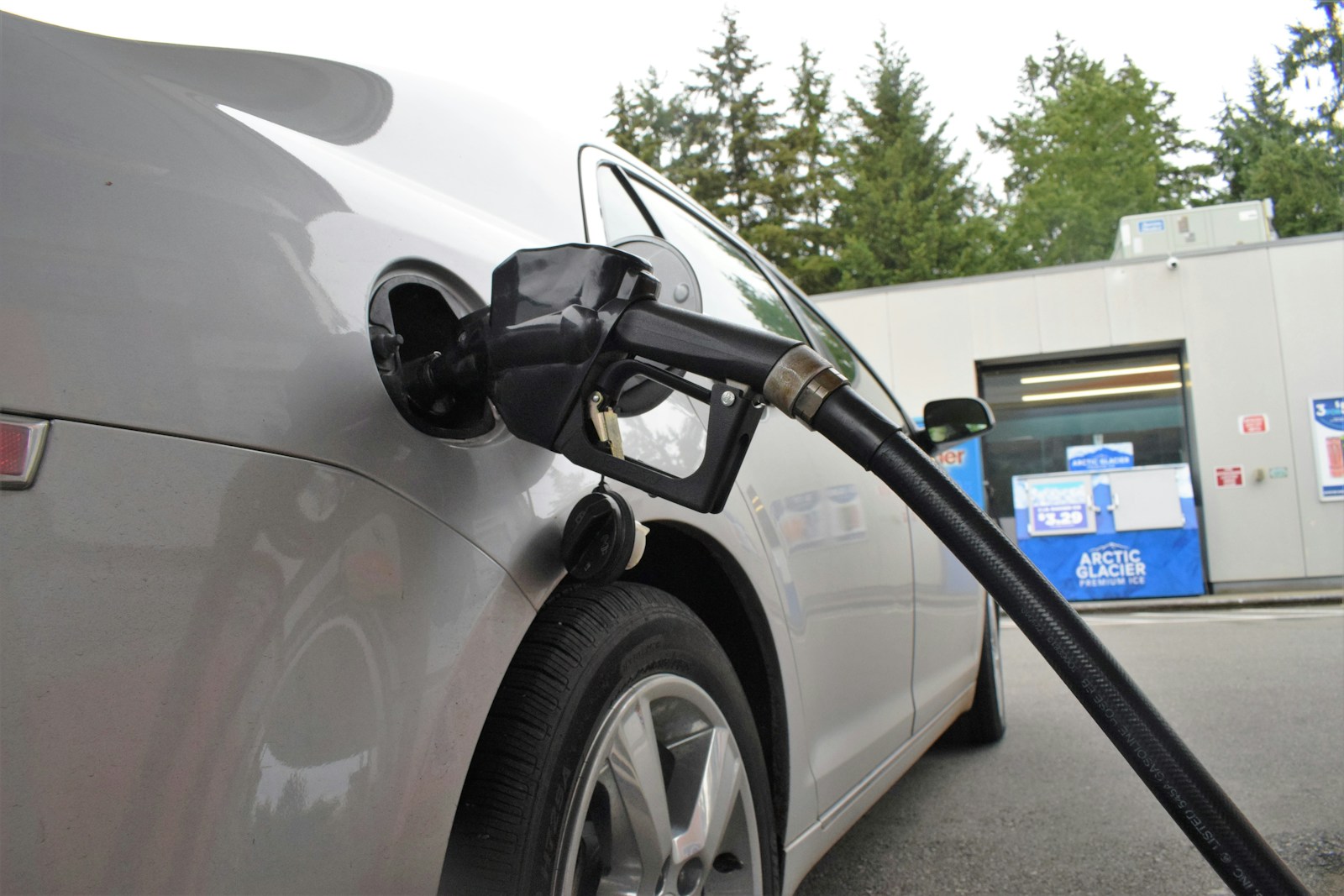

Drivers are so desperate to stretch a tank of fuel that a new wave of “gas-saving” tricks is racing across TikTok and Instagram, promising miracle mileage with a few simple moves. Mechanics say one of the most viral habits is not only failing to save fuel, it is quietly making engines run worse and wear out faster. I want to unpack what is actually happening inside the car, why these hacks backfire, and which habits really cut costs without wrecking your vehicle.
Behind the viral clips and bold claims is a familiar pattern: small grains of truth wrapped in bad advice that ignores how modern engines, fuel systems, and electronics really work. When I line up what technicians, engineers, and road safety experts are reporting, a clear picture emerges, and it is not flattering to the influencers. The real savings come from boring, repeatable habits, not from gaming the gas pedal or torturing your engine in the name of economy.
The viral “high‑gear” trick that is hurting engines
The trend that has mechanics most alarmed encourages drivers to shift into the highest possible gear at very low speeds, or let an automatic transmission lug along at low revs, in the belief that lower engine speed always means less fuel burned. According to detailed technical warnings, All of this often stems from a seemingly simple and “economical” habit, insisting on accelerating the car in a high gear and at very low revs to save money at the pump. In practice, that forces the engine to work harder than it should, creating strong vibrations, detonation risk, and extra strain on bearings and mounts.
Engineers point out that this lugging effect can actually increase fuel consumption, because the engine management system has to inject more fuel to prevent stalling and knock when the car is asked to accelerate from too low an rpm. The same technical analysis notes that this “trick” to save gas is silently destroying your car’s engine, using more fuel than you imagine, and could even send you to the workshop more often along the way, a warning repeated in a second breakdown of the same Technique. In other words, the supposed shortcut is a double loss: you burn more fuel and shorten the life of the very engine you are trying to protect.
How social media turned bad habits into “hacks”
Social platforms have supercharged this kind of advice by rewarding confident, simple claims over nuanced explanations of how engines work. In one widely shared clip, a creator walks viewers through a series of “fuel hacks” at the pump, insisting that Most people are killing their cars at petrol pumps without even realizing it and promising that Here is the trick that will save both fuel and the engine. The problem is that the advice often mixes legitimate cautions, such as avoiding contaminated fuel, with unproven rituals that have little to do with real efficiency.
Another viral pattern involves dramatic before‑and‑after claims about fuel economy based on a single tank, a method that any engineer would reject as statistically meaningless. Long form debunking videos, including one that spends two decades of experience to argue that your gas tank is being sabotaged and you are doing it to yourself, show how Debunked Your viral myths can still rack up millions of views. The creator in that breakdown, who frames his work with the phrase After years of testing, walks through how confirmation bias and selective memory make drivers believe a hack works even when careful measurement shows no real change.
The gas pedal “ECU reset” myth
One of the strangest trends is the so‑called gas pedal dance, a sequence where drivers turn the key to accessory, pump the accelerator in a specific rhythm, then wait in silence, convinced they have “reset” the engine control unit for better mileage. As one detailed explainer puts it, Your TikTok feed keeps serving up videos of people doing some bizarre gas pedal dance, promising magical fuel economy improvements, even though the actual calibration of the ECU is not changed by this Your routine. At best, the sequence may clear some adaptive throttle data, which simply returns the system to factory baseline settings, not a secret eco mode.
From a mechanical perspective, the risk is less about immediate damage and more about distraction and false confidence. Drivers who believe they have unlocked hidden efficiency may ignore the habits that actually matter, such as speed control and smooth acceleration. A separate analysis of viral car hacks aimed at European models shows how easily owners can be misled, with one segment opening on a destroyed heater matrix from a 2019 Volkswagen Golf and the host saying i want you to look at this, this is what is left of a heater matrix from a 2019 volkswagen golf, before explaining how the owner, a guy named Stefan, followed a Jan clip that encouraged blocking coolant flow. That same investigation, also shared as 11 Viral hacks, underlines how quickly a “free” trick can turn into a four‑figure repair.
Running on fumes is not a money‑saving strategy
Another persistent myth tells drivers to run the tank as low as possible before refueling, on the theory that carrying less fuel means less weight and therefore better mileage. In reality, modern fuel systems rely on a steady supply of liquid around the pump for cooling and lubrication, and letting the level drop too far can shorten the life of that pump. A widely shared explainer from Dubai’s official channels warns that Running on Empty can mean You Might Be Damaging Your Car Without Knowing It, because Most drivers do not realize that sediment and heat at the bottom of the tank can stress components.
Fuel system specialists also point out that the small theoretical gain from carrying a few kilograms less fuel is dwarfed by the cost of a failed pump or clogged filter. Practical advice from pump technicians suggests that Instead of waiting for the warning light, it is recommended to fill up at half a tank if you want to get the best fuel system health, because as one breakdown notes, that is because the air is going into the tank when you overfill and the pump can overheat and fail if it is starved of liquid, a point spelled out in detail in a guide to Instead filling habits. The real savings come from keeping the system healthy, not from gambling with the last few miles of range.
“Topping off” and pump‑side myths
At the other end of the spectrum is the habit of topping off the tank after the nozzle clicks, often justified as squeezing in a little extra fuel to delay the next visit. Mechanics and fire safety experts have warned that this practice can flood the vapor recovery system, damage the charcoal canister, and even cause spills that are both wasteful and hazardous. A motoring adviser named Topping off your fuel, Peter said, is one of those Money saving hacks that are easy to find but not all of them will make a difference, and in this case the risk to the evaporative emissions system outweighs any tiny gain.
Other pump‑side myths focus on the time of day or the angle of the car at the pump, with influencers insisting that colder morning fuel or a particular parking position will deliver more liquid for the same price. A popular Instagram reel from Here repeats the claim that filling only to a certain mark on the gauge will protect the engine, even though the fuel system is designed to operate across the full range. When I compare these claims with controlled tests of fuel volume and pump calibration, there is little evidence that such rituals change how much fuel ends up in the tank, but plenty of evidence that overfilling and repeated topping off can create expensive problems.
Snake‑oil additives and bolt‑on “fuel savers”
Beyond driving style, a whole industry of additives and gadgets promises to boost mileage by cleaning injectors, restructuring fuel molecules, or adding extra energy to the combustion process. Financial educators who work closely with auto lending customers note that Auto shops have racks of fluids that promise to send your fuel economy through the roof, and some internet “experts” have suggested magnets, airflow swirl devices, and other trinkets that have never passed a rigorous Auto test. The pattern is familiar: bold packaging, vague claims, and no independent data.
When independent testers have put these devices under controlled scrutiny, the results have been underwhelming. In one widely watched experiment, a team evaluated aftermarket fuel saver devices including a water car hydrogen fuel cell, with the host saying this is the one that I have been waiting for, this is the water car hydrogen fuel cell, and this is the one that if it works would change everything, before concluding that the measured fuel economy gains were within the margin of error, as documented in the Do Aftermarket test. A similar skepticism runs through a separate breakdown of 11 gas saving lies wasting your money, where the presenter frames the series as 11 gas saving lies wasting your money Debunked Your gas tank is being sabotaged and you are doing it to yourself After years of chasing such products, a story captured in the longer Dec version.
What real testing says about viral hacks
When I look at independent testing of popular hacks, the pattern is consistent: most tricks either do nothing measurable or save a fraction of a percent, far less than basic driving changes. In one structured experiment, a team from a well known car channel took a truck on a high load trip and tried several internet fuel economy tips back to back, with the host admitting that That is something I have done in the past and we also did it before we headed out on the high load truck trip, before concluding that some hacks simply resulted in less fuel for your money, a finding shared in their Dec test. The more carefully they measured, the smaller the claimed benefits became.
Financial educators have reached similar conclusions when they walk drivers through common myths. A detailed blog on bad gas saving tips notes that Auto shops have racks of miracle fluids and that some internet experts swear by coasting in neutral or revving the engine before shutoff, but controlled comparisons show no consistent savings, a point reinforced in the These 5 breakdown. When I compare these findings with the ECU pedal dance myth and the high gear lugging trend, the conclusion is blunt: if a hack sounds too easy and too good to be true, it probably is.
The boring habits that actually save fuel
While viral tricks disappoint, the data on proven habits is remarkably consistent across governments, driving schools, and energy agencies. Official guidance on fuel efficient driving stresses that Aggressive driving, defined as speeding, rapid acceleration and braking, can lower your gas mileage by 33 percent at highway speeds and by 5 percent around town, a figure spelled out in a detailed Aggressive driving analysis. That single behavior change dwarfs anything a pedal dance or fuel magnet could ever claim.
Driving instructors who specialize in eco driving echo the same point. A guide titled Driving Techniques That Improve Mileage highlights that Stop Aggressive Driving is the number one fuel waster and notes that Every time you rapidly accelerate, you waste energy that you will then burn again when you brake, advice that aligns with the broader Driving Techniques That overview. Another official advisory urges motorists to Restrict your speed for most fuel efficient cruising and not exceed 50 miles per hour, explaining that Most cars use about 10 percent less fuel at that pace and that dropping from higher motorway speeds to around 50mph can reduce fuel consumption by 20 percent, a recommendation laid out in the Restrict guidance.=
More from Wilder Media Group: