

We’ve all had that moment when a car just doesn’t want to cooperate. Maybe it sputters to a stop, or maybe it makes a noise that sounds like a cat stuck in a blender. Well, what if I told you that some of those automotive nightmares are linked to engines that should’ve never seen the light of day? Mechanics are spilling the beans on the worst engines ever put in a vehicle, and trust me, it’s a juicy topic that’ll make you grateful for your reliable ride.
The Mazda Wankel: A Love-Hate Affair
First up, let’s talk about the Mazda Wankel rotary engine. Now, this one’s a classic — and not in a good way. It’s got a cult following, sure, but if you ask most mechanics, they’ll tell you it’s a love-hate relationship. The Wankel engine is compact and lightweight, meaning it can deliver a surprising amount of power for its size. But here’s the kicker: it’s infamous for being thirsty. This thing guzzles fuel like it’s on a road trip to Vegas and has a penchant for overheating. If you’re driving one, keep an eye on that temperature gauge and a gas station on your radar!
Chevy’s Vega Engine: The Little Engine That Could… But Didn’t
Then there’s the infamous Chevy Vega engine. If you’ve ever heard the phrase “too much of a good thing,” this is what they meant. The Vega was introduced in the early ’70s and was hailed for its innovative design, including its aluminum block. Sounds great, right? Until you realize it had a nasty habit of warping and leaking oil. Mechanics have seen these engines fail spectacularly, leading to more than a few sad faces in the garage. If you’re lucky enough to find one still running, consider it a miracle — or maybe a ticking time bomb.
Ford’s 6.0L Power Stroke: Diesel Drama
Now, let’s not forget the Ford 6.0L Power Stroke diesel engine. Diesel engines are generally tough as nails, but this one came with its own set of issues that have mechanics shaking their heads. From head gasket failures to oil cooler problems, this engine managed to be a real drama queen. It’s like it came with a built-in soap opera. The 6.0L has left many truck owners feeling frustrated, and some mechanics even joke that you need a degree in engineering just to keep it running smoothly. So, if you’re in the market for a used Ford diesel, proceed with caution!
The Chrysler 2.7L V6: An Engine with a Grudge
Don’t even get me started on the Chrysler 2.7L V6 engine. This little fella was used in a range of Chrysler vehicles, and it’s notorious for sludging up like a bad pizza. Mechanics often find themselves cleaning out sludge buildup more than they’d like to admit. It’s almost like Chrysler said, “Hey, let’s create an engine that requires constant babysitting!” You’ll want to keep a close eye on oil changes if you’re rolling with this engine, or you might find yourself stranded with a costly repair bill.
Volkswagen’s 2.0L FSI: The Engine That Couldn’t
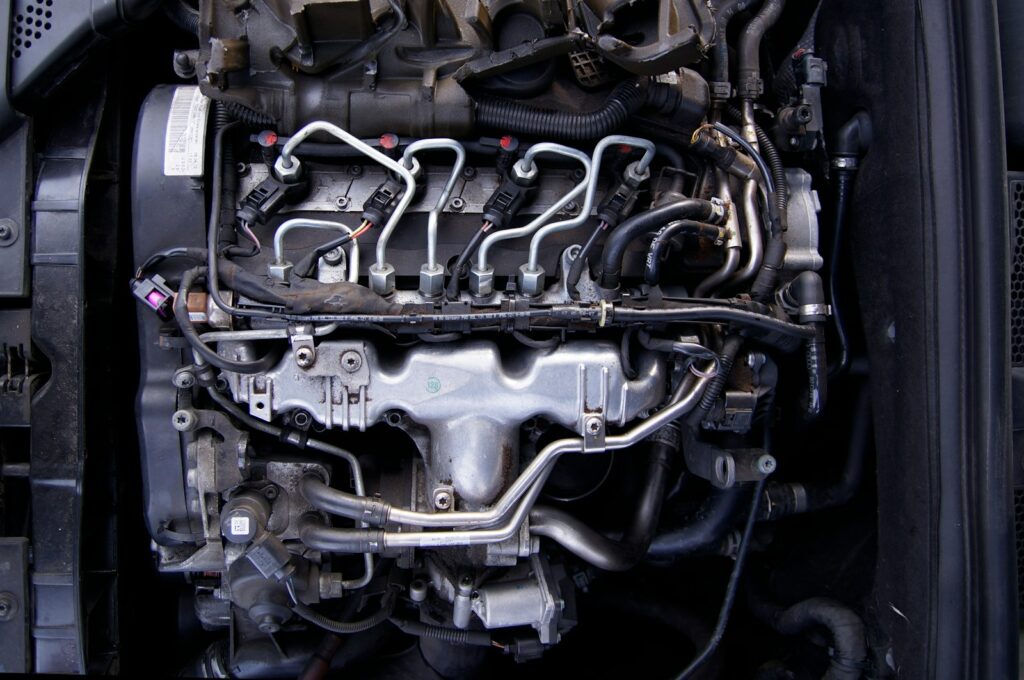
And who could forget the Volkswagen 2.0L FSI engine? This engine was marketed to provide a fun driving experience, but it turned out to be more of a headache for many owners. It’s got a penchant for carbon buildup, which can lead to performance issues and costly repairs. Imagine driving your beloved VW, only to find it sputtering like an old lawnmower. Mechanics have seen enough of these engines to know that regular cleaning is essential, or else you’ll be left wondering why your car suddenly sounds like it’s auditioning for a horror movie.
Honda’s 2.3L K Series: The Overachiever Gone Wrong
Lastly, let’s chat about Honda’s 2.3L K series engine. Honda has a reputation for reliability, but the 2.3L is the exception that proves the rule. While it was designed to be a powerhouse, it often fell short due to timing chain issues that could lead to catastrophic failures. It’s like Honda tried to pack too much into a small engine, and it just couldn’t handle the pressure. So, if you’re eyeing a Honda with this engine, consider doing a little homework first — you’ll thank yourself later!
Final Thoughts: The Good, the Bad, and the Ugly
So there you have it—some of the worst engines ever put in a vehicle, according to mechanics who’ve seen their fair share of automotive dramas. If you’re in the market for a used car, it’s good to know what to avoid. While these engines may have their quirks, they’re also part of automotive history. And hey, at least you’re now armed with some fun trivia for your next coffee chat. So next time someone asks about the “worst engines,” you can share these cautionary tales—and maybe even get a laugh out of it. Just remember: every engine tells a story, and avoiding the troublemakers could save you a lot of headaches (and a few bucks) down the road.