
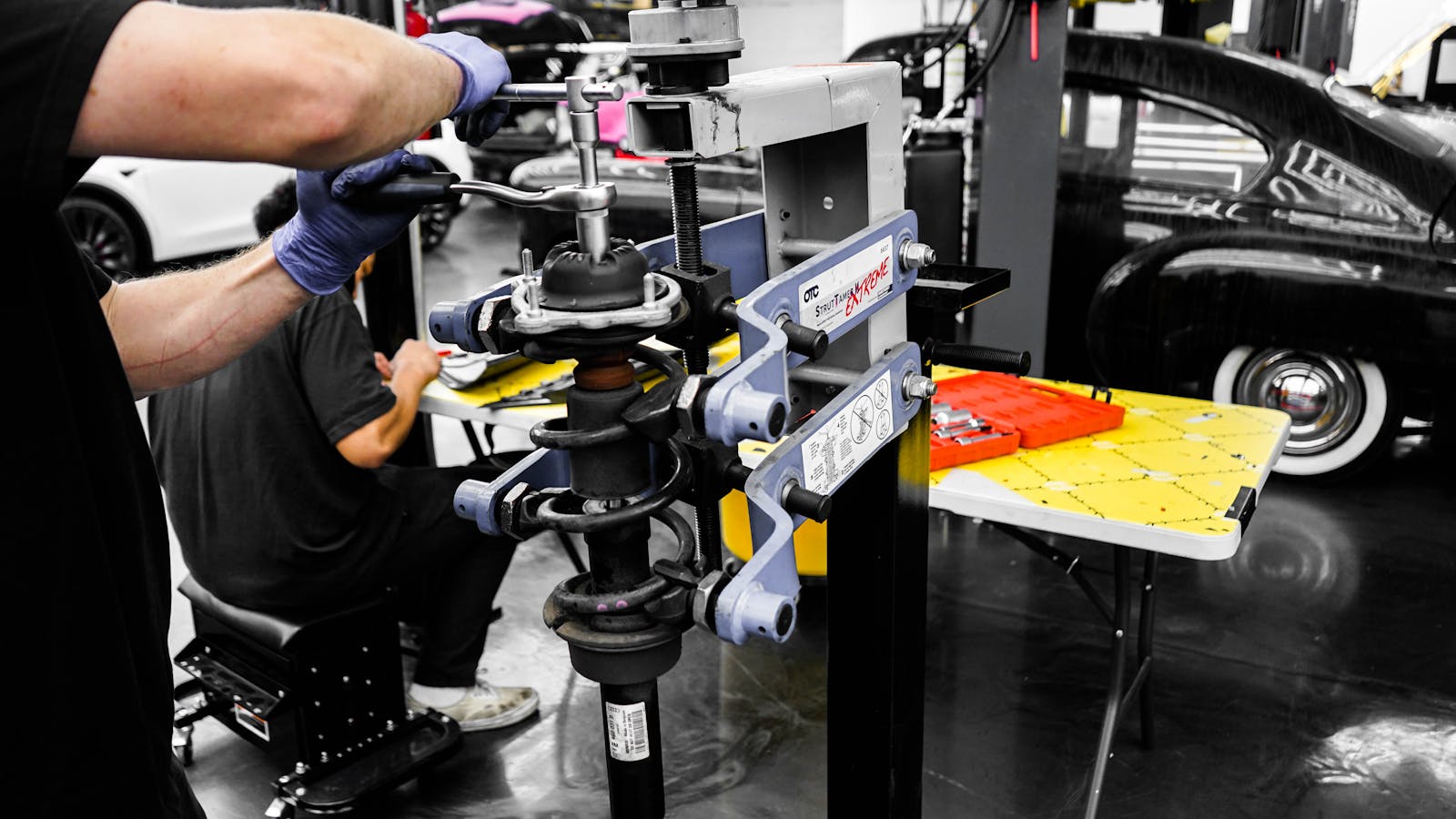

Repair bills are rising faster than many household budgets, and the squeeze is landing hardest on people trying to keep older cars on the road. As parts, labor, tariffs, and insurance all pile on, drivers who once relied on a paid‑off sedan or pickup as a financial safety valve are discovering that staying mobile is suddenly a lot more expensive.
The trend is not just about a few pricey parts. From higher shop rates to complex electronics and a wave of aging vehicles, the cost of keeping a car running is climbing in ways that hit long‑time owners and older drivers first, especially those living on fixed incomes or stretching every dollar between fuel, rent, and medicine.
The new math of car ownership
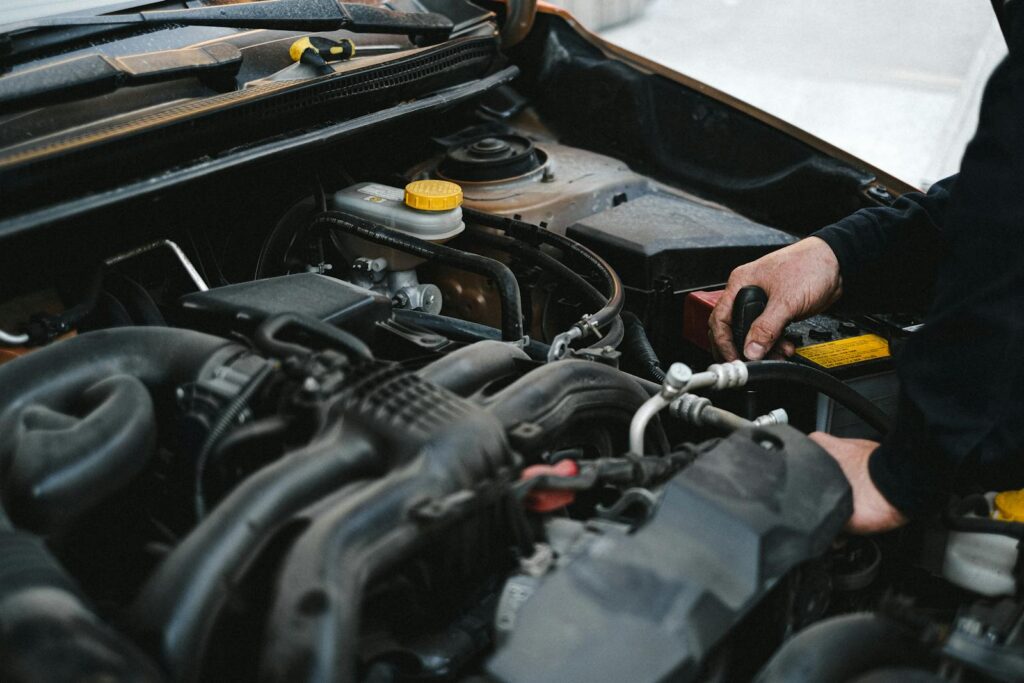
For years, the conventional wisdom was simple: buy a solid car, pay it off, and enjoy cheap transportation for as long as it lasts. That equation is breaking down. A recent survey found the Cost of owning a car rose 3.1 percent in a single year, a jump that reflects not only fuel and insurance but also the rising price of vehicle parts and shop work. For older drivers who may drive less but depend on their car for medical appointments or groceries, even a modest percentage increase can feel like a major hit.
Those higher costs are showing up in more painful ways too. Analysts working with a massive dataset of claims, including 300 m claims‑related operations, have documented a clear rise in the severity of small auto insurance claims, a sign that even minor fender‑benders are turning into big repair bills. When a low‑speed parking lot scrape can trigger a four‑figure estimate, the idea that an older, fully paid car is “cheap to keep” starts to look outdated.
Why repairs are getting pricier, even as inflation cools
Headline inflation has eased, but repair invoices have not followed suit. Labor costs for increasingly complex car repairs are roughly 20 percent higher than before the pandemic, and overall repair prices are up about 15 percent, according to Labor market data. Shops are paying more to attract and retain skilled technicians who can diagnose intricate electrical faults and recalibrate advanced safety systems, and those higher wages are being passed straight to customers.
Technology is another driver of the sticker shock. Modern vehicles are packed with sensors, cameras, and software, and as one expert put it, Cars these days are essentially rolling computers. That means a seemingly simple job, like replacing a bumper on a late‑model SUV, can require specialized parts, calibration equipment, and extra hours of shop time, all while tight labor market conditions leave many drivers worrying about their rent or mortgage on top of the repair.
Tariffs, parts, and the “crushed” customer
On top of labor and technology, global trade policy is quietly inflating repair bills. New tariffs on imported components and raw materials have pushed up the cost of everything from body panels to brake rotors. In one regional snapshot, shop owners described how They are “getting crushed” by a 25 percent tariff on certain auto parts and higher duties, up to 50% on steel and aluminum, leaving customers in Auto bays across NBC Connecticut staring at estimates that feel wildly out of step with the damage they can see.
Those higher parts prices ripple through the system. Analysts tracking the sector note that Repair costs are climbing at record speed, in part because tariffs and supply chain disruptions have made it harder and more expensive to source components. Even when a part is available, shipping delays and surcharges can keep a car on the lift longer, forcing older drivers to pay for rental cars, rideshares, or favors from family just to get to work or a doctor’s office.
Aging cars, older drivers, and the repair trap
With new vehicles priced out of reach for many households, more people are hanging on to what they already own. One industry expert, Pyle, put it bluntly: “New cars are very expensive, so there are a lot more high‑mileage older cars still on the road.” Once the warranty expires, he added, repairs that used to be pretty cheap can suddenly become budget‑breaking. For retirees or long‑time owners driving 10‑ or 15‑year‑old vehicles, that means more frequent breakdowns and fewer protections when something big fails.
That trend is visible nationwide. Analysts note that American drivers are keeping their vehicles longer as new car prices climb, and those aging fleets are not immune from tariff impact or higher labor costs. In some markets, Aging cars are a primary reason repair prices keep rising, since older vehicles need more frequent work and often require parts that are no longer mass‑produced, which pushes up the cost even further.
Insurance, repossessions, and the broader financial strain
Higher repair costs do not stop at the shop door, they are reshaping insurance bills and even the risk of losing a vehicle altogether. Industry specialists warn that the CPI for motor vehicle maintenance and repair has risen faster than overall inflation, which feeds directly into higher premiums as insurers adjust to more expensive claims. For older drivers on fixed incomes, a jump in insurance costs can be just as destabilizing as a surprise repair, especially when newer cars, packed with advanced safety tech, are even more expensive to repair or replace after a crash.
When budgets are already stretched, the combination of high payments, rising insurance, and unexpected repairs can tip families into crisis. Analysts working with Bankrate data warn that Auto repossessions can happen as soon as 30 days of delinquency, although most take 90 to 120 days, and losing a car can mean losing a job or a way to get children to and from school. At the same time, experts tracking Future of Risk say the United States faces an auto insurance affordability crisis as vehicles become more expensive to repair or replace, a trend that again lands hardest on drivers with the least financial cushion.
More from Wilder Media Group: