

Drivers are walking into service bays for simple oil changes and leaving hundreds of dollars lighter after agreeing to “recommended” maintenance that their cars do not actually need. Mechanics who speak candidly say one particular pattern of upsell, bundling a routine visit with a stack of extra services, has quietly become one of the most profitable plays in the business. The scam works because it dresses itself up as safety and prevention, and because most people do not feel confident enough about their vehicles to push back.
Instead of a single bogus product, the modern maintenance hustle is a whole script: fluid flushes, “urgent” timing belt jobs, synthetic oil upgrades, fuel system cleanings, and mystery problems that somehow appear the moment the car is on the lift. The result is the same, whether the shop is a big-name dealership or a corner garage: the customer pays for work that either is not due yet or offers little benefit, while the shop pockets easy margin.
The real scam: turning routine visits into repair shopping sprees
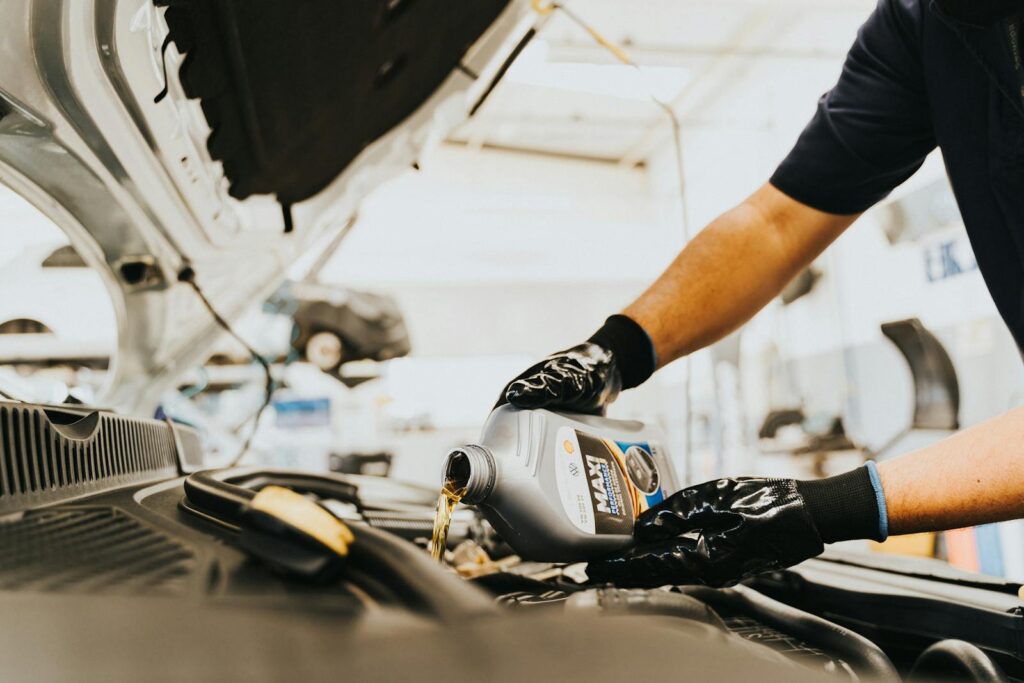
The biggest con mechanics describe today is not one specific part, it is the strategy of turning every basic visit into a fishing expedition for extra work. A driver books a simple oil change or tire rotation, then finds themselves in a small office with a service advisor who has a long list of “while we have it in” suggestions. That list often includes fluid flushes, brake jobs, and belt replacements that are pitched as essential, even when the manufacturer’s schedule or the car’s actual condition does not support the urgency.
Investigations into dealership service departments have shown how staff are trained to push add-ons like transmission and power steering fluid flushes as routine maintenance, even though the factory schedule may not call for them at that mileage, with one advisor openly coached that “you have to upsell them” and another expert, Leung, stressing that drivers should “know your vehicle” before agreeing to extra work linked to fluid flushes. In the same reporting, Leung, who has worked in the industry for the last 10 years, is cited again warning that this culture of add-on selling is deeply entrenched in dealership service lanes, which is why customers so often feel pressured into authorizing work that goes far beyond what they came in for or what their owner’s manual actually recommends, a pattern that shows up repeatedly when Leung describes how these pitches are framed.
Timing belts, brakes and other “urgent” jobs that are not always urgent
Once a driver is in that upsell funnel, certain repairs show up again and again because they are easy to justify and hard for a layperson to verify. One classic example is the timing belt: a service advisor might warn that if it snaps, the engine in a Honda Civic or Subaru Outback could be destroyed, which is true in some interference engines, but then quietly skip over the fact that the belt is not actually due for replacement for tens of thousands of miles. The fear of catastrophic failure makes many owners sign off on a four-figure job long before the manufacturer’s interval.
Consumer advocates have flagged timing belt replacement as “one common mechanic scam” that can be foiled simply by understanding the car’s actual service schedule, noting that if a belt passes a visual inspection and is not yet at its mileage limit, “it is fine for now,” a point laid out in detail in guidance on one common scam. Brake jobs fall into the same pattern, with some shops recommending new pads and rotors at the first sign of wear even though technical manuals describe unnecessary brake work as one of the most frequent “unneeded repairs,” especially when the parts still have safe life left and the customer is not shown clear measurements, a problem that detailed guides on Unneeded Repairs highlight as a top way drivers are quietly overcharged.
The synthetic oil and fuel system “performance” pitch
Another favorite move in the modern upsell playbook is to take a basic oil change and turn it into a premium package that the car may not need. A driver might book a conventional oil change for a 2012 Toyota Camry, only to be told at the counter that the engine “really should” have synthetic oil, at a much higher price, or that the shop’s house blend is somehow uniquely protective. In many cases, the owner’s manual already specifies synthetic, in which case the upgrade is not an upgrade at all, or the engine is perfectly fine on conventional oil at the recommended interval.
Repair experts describe an “Upselling Synthetic Oil Scam” in which a customer brings a car in for a routine oil change and is suddenly told they must have synthetic, even when the manufacturer does not require it, with the warning that the shop’s push is often “pure profit for them” rather than a necessity, a pattern spelled out in detail under the label Upselling Synthetic Oil. At the same time, some modern cars that genuinely use synthetic oil only need changes every 15,000 miles, which means a shop that still insists on 3,000 mile intervals is effectively selling five oil changes where one would do, a gap that car experts highlight when they remind owners that “Some cars that use synthetic oil only need changes every 15,000 miles” and urge them to follow the interval listed in their owner’s manual instead of the sticker on the windshield.
Bundled into the same conversation, many service advisors now push fuel system cleanings as a kind of vitamin shot for the engine, promising better mileage and smoother running if the customer pays for a chemical flush or injector service. Yet breakdowns of common upsells list “Fuel System Cleaning” as one of the top services that are “basically a scam” when sold as routine maintenance, especially on late-model cars that already use high quality fuel and have no drivability issues, a warning that appears prominently in rundowns of Fuel System Cleaning and other questionable add-ons.
Small parts, big markups: air filters and mystery problems
Not every upsell involves a four-figure repair; some of the most reliable profit makers are small parts with huge markups. Engine air filters and cabin filters are a prime example, with shops charging $40 or more for a part that costs a fraction of that online and takes less than a minute to install. Customers are often shown a slightly dirty filter and told it is “restricting airflow,” even though a light coating of dust is normal and does not justify an immediate replacement.
Independent mechanics who pull back the curtain suggest that drivers can save real money by buying their own filters and installing them, with one “Money-Saving Tip” explicitly advising people to “Buy your own air filter online for $10-15 and replace it yourself,” noting that the process takes about 30 seconds and requires no tools, a simple step that can blunt one of the easiest upsells in the book, as laid out in that Money guide. On the more serious end, consumer protection groups warn about the “mystery problem scam,” where You take your car in for a simple issue like an oil change or tire rotation and suddenly the shop claims to have found a dangerous problem that must be fixed immediately, a tactic described in detail under the heading “The mystery problem scam” that explains how You might be told that a part is about to fail and pressured into expensive repairs on the spot, a pattern that credit union alerts summarize with the phrase “Here are a few common scenarios” when they outline how Here is how the scam unfolds.
More from Wilder Media Group: