

A simple meme asking why anyone still drives a car built before 2010 has turned into a rolling referendum on modern automotive life. In the comments, owners of aging sedans and trucks insist their vehicles are cheaper, sturdier and more satisfying than anything on a dealer lot, and plenty of Boomers are happily agreeing. The argument is not just nostalgia, it is a clash between people who prize simplicity and paid‑off metal and those who point to hard data on safety and performance.
The viral gripe: “Why are you still driving that old thing?”
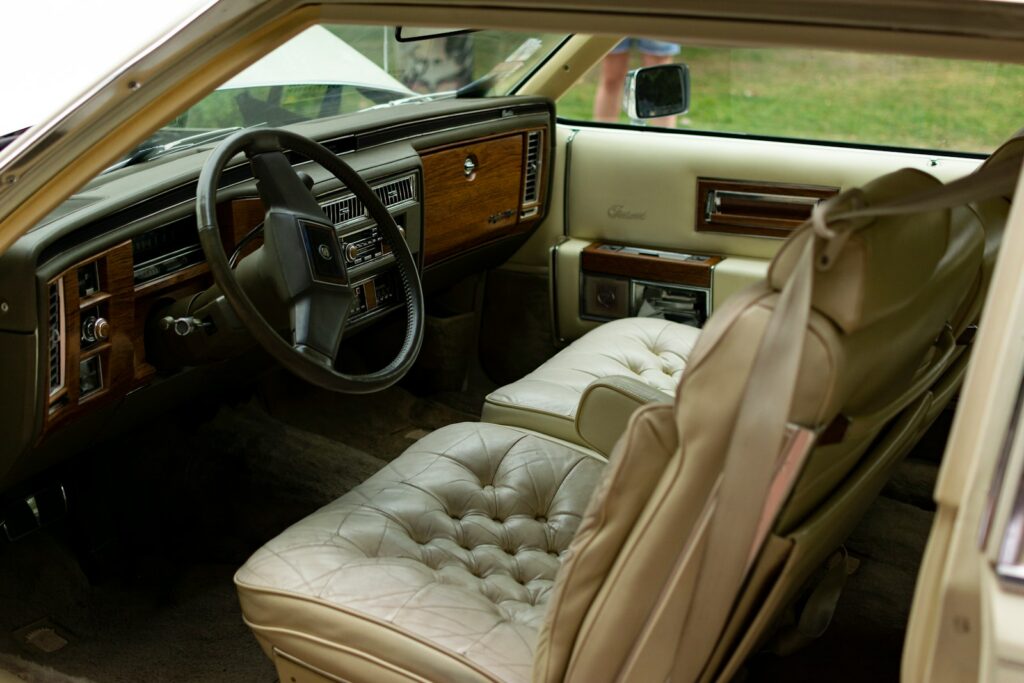
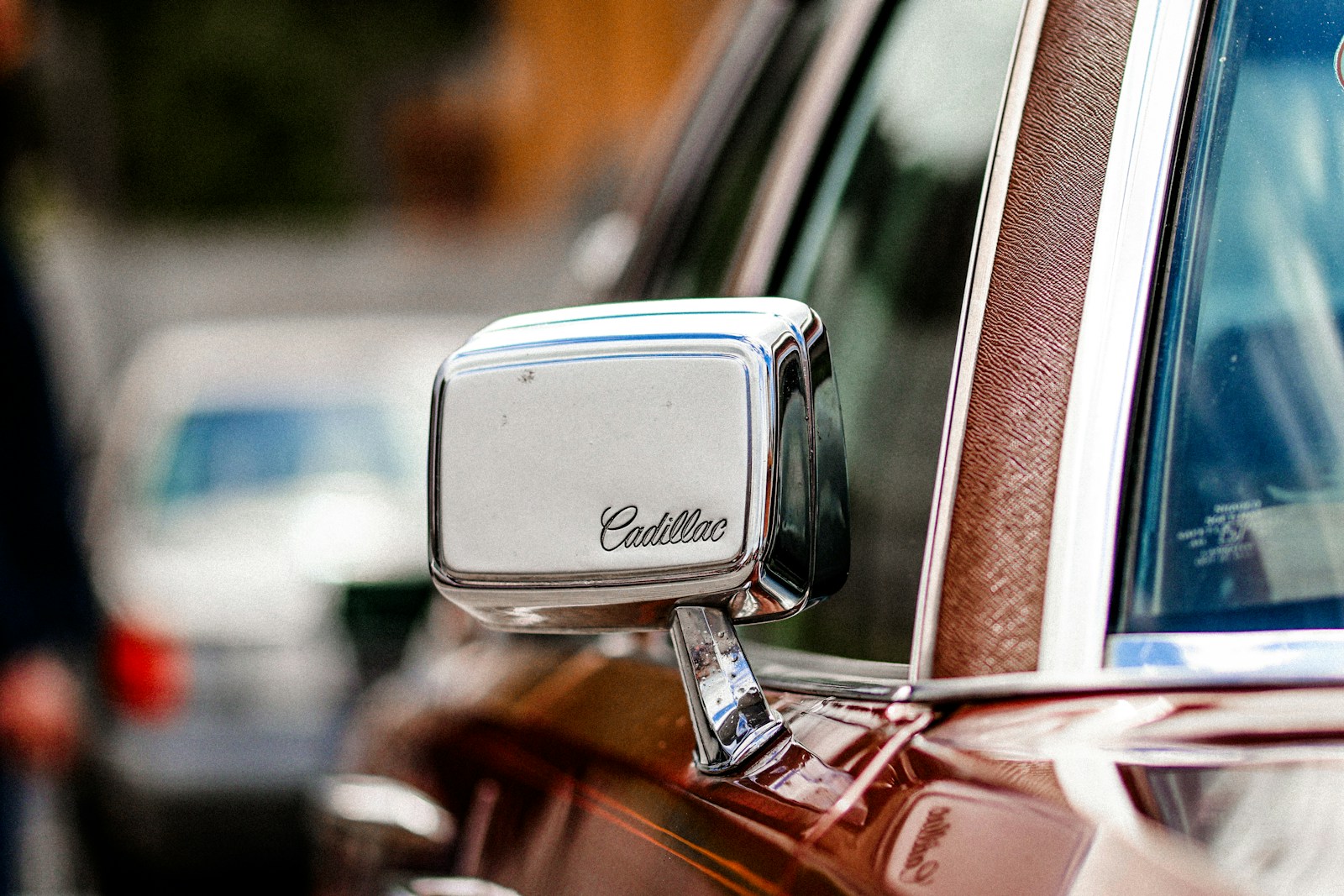
The latest flare‑up started with viral posts that mock drivers who cling to older vehicles, only to be swamped by proud replies from people who say they simply like what they have. In one busy thread, commenters rally around a driver whose pre‑2010 car is described as “beautiful,” while voices like Brian and Reiser Its chime in that if a car is in good condition and paid off, there is no reason to give it up, especially when “They are better and don’t cost ridiculous,” a sentiment that captures how many owners see their aging rides as a financial lifeline rather than an embarrassment. Others in the same conversation talk about keeping a 2010 Cadillac DTS with 91,000 miles because it is “Reliable” and comes with “No payment,” underscoring how the lack of a monthly bill has become part of the car’s appeal for people like Jan who say they “cannot afford a new car,” and who value being able to work on the vehicle themselves.
A separate meme framed as “People who have a car older than 2010 still…why why” drew a similar wave of defiance, with one commenter bluntly answering that the car “still runs, and it’s in good shape,” while another jokes that “the government take all me money,” so replacing a functioning vehicle is out of the question. In that thread, owners brag about a 1999 Silverado with the v6 that has survived life on a farm and a 2002 Trailblazer bought brand new off the lot, while others admit they wanted something cheap that would not “crumple like glass in a crash,” or that their car was a gift and they are “broke,” all of which turns a throwaway joke into a snapshot of economic pressure and distrust of fragile‑feeling modern sheet metal among People who see three paid‑off cars as a smarter bet than one new crossover.
The “sweet spot” years and the case for simpler machines
Behind the memes is a widely shared belief that cars from the 1990s and early 2000s hit a rare balance between durability, comfort and analog charm. Enthusiasts often describe that era as The Sweet Spot, a time when mainstream models already had seatbelts, airbags and other Improved Safety and Build Quality features, but had not yet been overloaded with touchscreens and subscription software, which made them feel both secure and straightforward to live with if you were limited on funds. One detailed breakdown of that period argues that these vehicles combined solid crash protection with relatively uncomplicated drivetrains, which helps explain why so many of them are still on the road and why owners feel they can keep them going without specialist tools.
That nostalgia is not just about feelings, it is reinforced by people who have put staggering mileage on humble cars. In one widely shared comment, Robert Brown proudly reports a 2005 Toyota Matrix with almost 600k on it, a figure that has become a kind of folk proof that careful maintenance on a simple platform can outlast several generations of newer models. Video reviewers echo that sentiment, with one Oct review of 2000s cars arguing that engineers of that era focused on robust mechanicals and intuitive controls, which made those vehicles feel “so good” to drive and own compared with some of today’s more complex offerings. Another Feb explainer on three reasons older cars are better leans on the same idea, suggesting that fewer electronic systems and less aggressive weight saving can translate into a sturdier feel and easier long‑term ownership, especially for drivers who are not chasing the latest tech.
Money, maintenance and the joy of fixing it yourself
For many drivers, the argument for pre‑2010 cars starts and ends with the household budget. In the Facebook thread where Brian and Reiser Its defend keeping an older car, multiple commenters repeat a simple mantra: “It runs and it is paid for,” and “I have 0 payments,” which they contrast with the “ridiculous” cost of new models and higher insurance premiums. Others say they have “2, they are paid” and describe older vehicles as “solid” with “lower insurance,” while one owner of a 2007 Mercedes says that as long as they keep maintenance up and the car runs great, there is no reason to change, a chorus that turns the lack of a car note into a point of pride rather than a sign of falling behind.
That financial logic is reinforced by people who enjoy turning their own wrenches. A detailed guide to the joy of driving old cars notes that Older Cars Are Easier to Maintain and Repair Older vehicles rely more on mechanical systems that can often be serviced at home, and parts for popular classic models remain widely available and relatively inexpensive. In the same spirit, the dad‑joke meme about People who have a car older than 2010 collects comments from owners who say they can work on their trucks themselves, that their vehicles are “still in great shape, and it runs,” or that they chose something cheap that would not shatter “like glass in a crash,” all of which paints older cars as not just cheaper to own but more empowering for drivers who want control over their maintenance instead of relying on dealership software updates.
Why Boomers are nodding along, and how younger drivers are joining them
The generational twist is that the loudest defenders of older cars are often the same people who grew up when big V8 sedans and trucks ruled the road. A recent study of buyer preferences finds that Many of the conclusions about age and taste are predictable, with Boomers gravitating toward trucks while Gen Z is bringing back small cars, and it notes that Inexpensive models are especially popular among people early in their careers who see them as practical tools rather than status symbols. That helps explain why a Boomer who loves a full‑size pickup can still cheer on a twenty‑something driving a 2004 compact, because both see value in vehicles that are already depreciated and easy to keep running.
On social platforms, the alliance between generations is even more explicit. One Jan reel points out that Gen X spent years treating classic cars as more than nostalgia, seeing them as solid long‑term value, and now Boomers are starting to agree as rising prices for older metal push values up across the board. In Reddit debates, a Dec thread on the greatest era of cars features users arguing that the 1990s and early 2000s were a golden age when “actual drivers cars” were designed for fun more than safety or practicality, and that a well‑kept machine from that age can feel more engaging than any modern car. Another discussion on whether cars nowadays are built better than 10 to 20 years ago includes a commenter named Key who insists that 80, 90’s Honda models were the pinnacle When the engineers were in charge, while others praise 90‑2000s Toy offerings, a mix of nostalgia and engineering respect that resonates strongly with older drivers who remember those cars when they were new.
More from Wilder Media Group: