

Across car forums and group chats, a blunt warning from a working mechanic is ricocheting through the internet: modern engines are far less forgiving than the ones many drivers grew up with. Owners who got used to stretching oil changes or assuming a brand‑new car meant years of worry‑free driving are suddenly being told that a few thousand neglected miles can be the difference between a healthy engine and a five‑figure repair bill. The viral post has tapped into a growing anxiety that today’s high‑tech powertrains are both more fragile and more expensive to fix, and that the old rules no longer apply.
At the heart of the uproar is a simple claim that feels almost old‑fashioned in the age of touchscreens and over‑the‑air updates: if drivers do not respect the mechanical limits of these engines, they will fail, sometimes catastrophically and long before the loan is paid off. The mechanic’s message is not subtle, but it is resonating because it lines up with what many owners are starting to see in real life, from premature oil consumption to engines that are effectively disposable once something major goes wrong.
Why a single post hit such a nerve
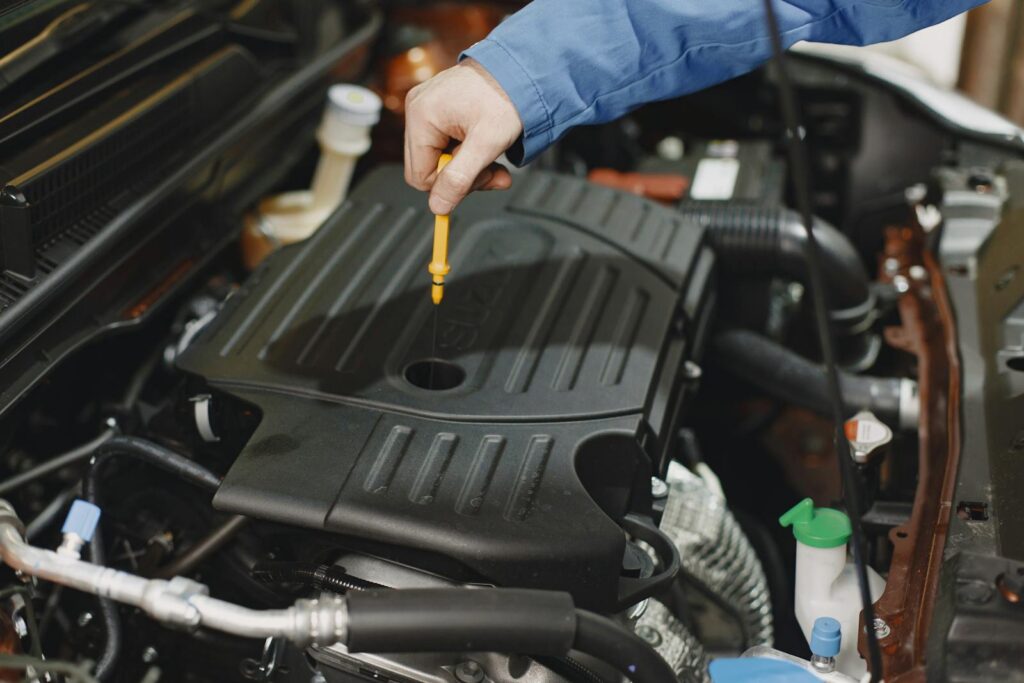
The mechanic’s viral rant did not land in a vacuum. It arrived after years of drivers being told that modern cars are “maintenance free,” that onboard computers will handle the details, and that long factory service intervals are perfectly safe. When someone who spends their days tearing down failed engines says, in plain language, that this complacency is colliding with new, more delicate designs, it cuts through the marketing gloss and sounds uncomfortably plausible to anyone who has seen a late‑model car sidelined by a major failure.
What really jolted people was the suggestion that the margin for error has shrunk to almost nothing. The mechanic describes engines that can be ruined by a couple of skipped oil changes or by using the wrong viscosity, not over decades but within the first stretch of ownership. That message echoes the tone of other blunt, shop‑floor style explainers circulating online, including one widely shared clip in which a technician walks viewers through the internal damage on a modern engine that was run low on oil, using the teardown as a cautionary tale for anyone tempted to ignore the dash light in a car that still feels practically new, as seen in one popular engine teardown.
The thin line between cutting edge and fragile
Under the hood, the biggest shift unnerving mechanics is how aggressively manufacturers have chased efficiency and weight savings. Instead of the thick, cast‑iron cylinder liners that older engines relied on, many 2026‑model powerplants now use plasma transfer wire arc coatings on the cylinder walls. That coating is measured in microns, a fraction of the thickness of a human hair, and it is applied directly to the aluminum block to reduce friction and improve fuel economy. It is a clever piece of engineering, but it leaves almost no safety net if the engine is starved of clean oil or overheats.
In practical terms, that means the kind of abuse a 1990s iron‑block engine might have shrugged off can permanently scar a modern cylinder surface in a single bad episode. Once that ultra‑thin layer is damaged, there is no simple overbore or hone to bring it back, and many shops will recommend a full replacement short block instead of a traditional rebuild. That is why experienced technicians like Jan, who walks viewers through these coatings in a detailed technical breakdown, are practically begging owners to stop stretching oil changes and to treat the factory schedule as a hard limit, not a suggestion.
New engines, new risks for buyers
For years, conventional wisdom has told shoppers that the safest bet is to buy a brand‑new car, ideally the latest model year, and enjoy that new‑car smell along with the peace of mind that comes from a full warranty. The viral mechanic post collides head‑on with that belief, arguing that some of the most advanced 2026 engines are also the least tolerant of neglect or manufacturing flaws. That tension is showing up in consumer‑facing reviews that no longer assume “new” automatically equals “bulletproof.”
One widely viewed analysis of the worst 2026 engines leans heavily on that point, warning that certain fresh‑off‑the‑line powertrains are already showing patterns of early failures, from timing system issues to oil consumption that starts well before six figures on the odometer. The host walks through specific model years and engine codes, highlighting how downsized turbocharged units and complex emissions hardware can turn into liabilities if the owner assumes the car will tolerate long gaps between services or cheap fluids. That message dovetails with what the viral mechanic is seeing in the bay: engines that look pristine on the outside but are quietly wearing themselves out inside.
What “maintenance” really means in 2026
For owners trying to make sense of the uproar, the most useful takeaway is that maintenance in 2026 is less about old‑school tinkering and more about strict discipline. The viral post urges drivers to treat oil changes as non‑negotiable appointments, not optional chores to be squeezed in when life allows. On engines with plasma transfer wire arc coatings, the oil is not just a lubricant, it is the only barrier protecting that microns‑thick surface from metal‑to‑metal contact. Letting it degrade or run low is not a minor oversight, it is a direct hit to the most delicate part of the engine.
That is why Jan, in his detailed oil change warning, hammers home the idea that skipping services on these engines is playing mechanical roulette. He explains that once the coating is compromised, there is no easy fix, and that even a single extended interval on cheap or incorrect oil can accelerate wear in ways that will not show up until the warranty is gone. For owners, the practical checklist is straightforward but strict: follow the manufacturer’s schedule, use the exact oil specification and viscosity called for, keep receipts, and treat any new noise, warning light, or change in oil level as a reason to investigate, not something to ignore until the next inspection sticker.
How drivers can push back, not panic
The viral mechanic’s tone is urgent, and for good reason, but it does not have to leave owners feeling helpless. One way drivers are responding is by doing more homework before signing on the dotted line, especially when shopping for 2026 models that pack small turbocharged engines into heavy crossovers and trucks. Longform breakdowns of problem engines are giving shoppers a clearer sense of which powertrains have already raised red flags and which ones have a track record of surviving real‑world abuse. That kind of research, combined with a willingness to walk away from a flashy trim if the engine underneath has a shaky reputation, is a quiet but powerful form of consumer pressure.
At the same time, the mechanic’s message is prompting more owners to build a relationship with a trusted independent shop instead of relying solely on quick‑lube chains or assuming the dealership will catch everything. A technician who knows the specific quirks of a given engine family is more likely to spot early signs of trouble, from unusual oil analysis results to small leaks that could starve those microns‑thick coatings of lubrication. The viral post may have started as a frustrated rant, but it is landing as a wake‑up call: in an era of cutting‑edge, tightly engineered powertrains, the most powerful tool an owner has is not a gadget or an app, it is a disciplined maintenance habit backed by informed choices about what sits under the hood.
More from Wilder Media Group: