
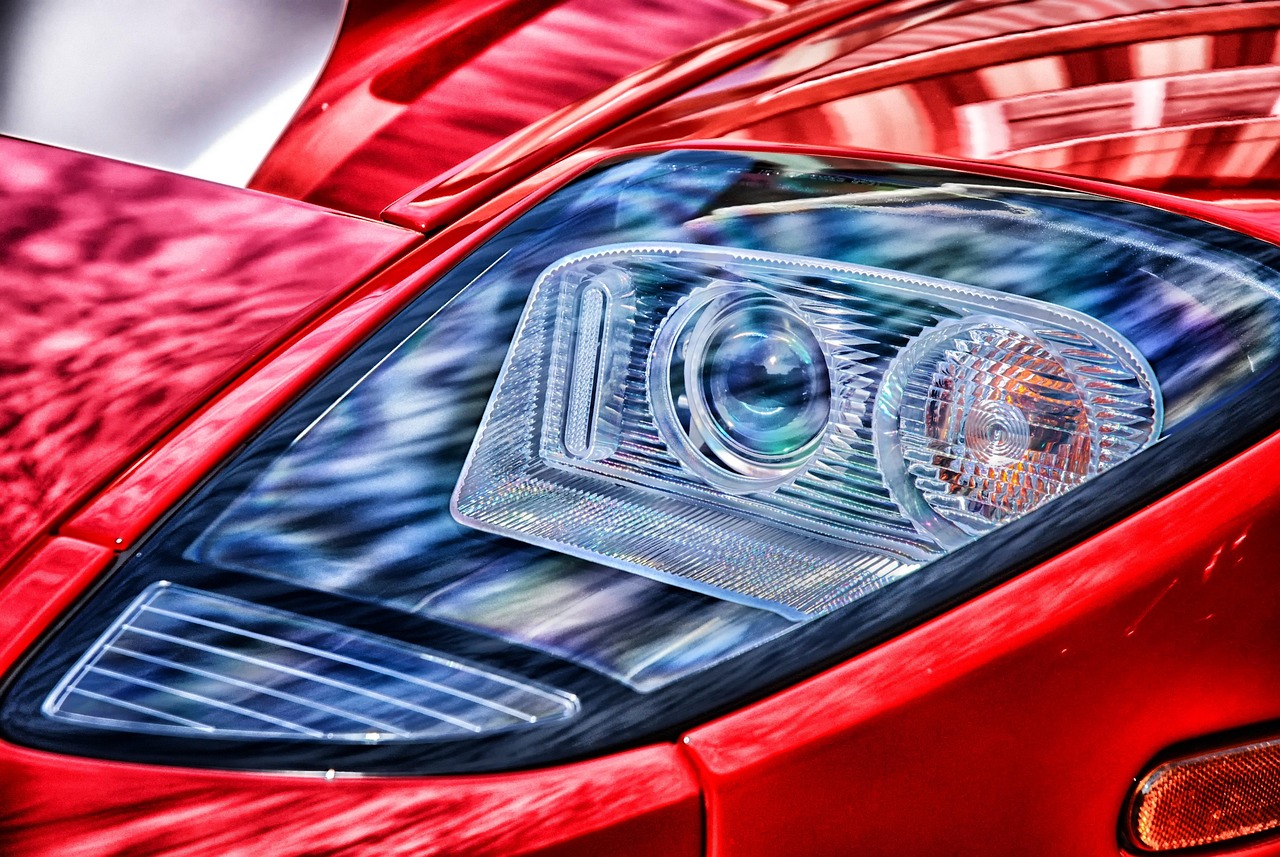

Headlights used to be a relatively simple, cheap fix, but more drivers are discovering that a dim beam or a dead lamp can now turn into a four-figure repair. As lighting systems grow more complex and materials age in harsher conditions, car owners are reporting more failures and sticker shock when they see the estimate. The result is a safety feature that is both more critical and more expensive to keep in working order.
Why modern headlights are failing more often

Today’s headlights do far more than just switch on and off, and that extra sophistication creates more ways for things to go wrong. Many newer vehicles use intricate LED or HID assemblies that integrate daytime running lights, adaptive beams, and styling signatures into a single sealed unit. When one part of that system fails, owners often discover they cannot simply swap a cheap bulb, they need an entire assembly, wiring repair, or control module, which makes every failure feel more painful and more noticeable.
Even when the electronics are healthy, the light output can drop sharply as the housing ages. Plastic lenses that looked crystal clear in the showroom can turn cloudy and yellow after years of UV exposure and road grit, cutting visibility at night and in bad weather. Testing cited by AAA has shown how severely this kind of deterioration can reduce illumination, which is why experts urge drivers to restore or replace hazed lenses instead of simply living with the dimmer beam.
The surprising cost of a “simple” headlight fix
Sticker shock often starts when a driver walks into a shop expecting a quick bulb swap and walks out with a quote that looks more like a transmission job. On many late-model SUVs and sedans, the headlight is a sculpted, sealed unit that wraps into the fender and bumper, so replacing it can require removing body panels and recalibrating sensors. Full assemblies for these vehicles can run into the hundreds or even thousands of dollars before labor, turning what used to be a minor annoyance into a serious budget hit.
Even on more basic cars, the range of possible repair bills is wide. A straightforward halogen bulb replacement might still be relatively affordable, but once wiring damage, moisture intrusion, or control modules are involved, the total climbs quickly. One repair platform that has helped 40,000 drivers with headlight issues notes that full headlight assemblies can carry premium price tags, while a basic bulb job usually lands in the $80–$150 range, underscoring how dramatically costs can swing depending on what failed.
Hidden causes that keep headlights “off” even after a repair
Plenty of owners are frustrated to find that their lights still do not look right even after a shop has adjusted or replaced them. The problem is that alignment is only one piece of the puzzle, and several less obvious issues can leave beams looking weak or misdirected. If the wrong type of bulb is installed, or if it is not seated correctly in the housing, the pattern can scatter, creating dark spots on the road and glare for oncoming traffic even when the aim is technically within spec.
Specialists point to a cluster of hidden causes that can undermine a good adjustment, starting with Worn or Improperly Installed Bulbs. One of the most common mistakes is mixing bulb technologies or color temperatures in a single pair of headlights, which can confuse automatic leveling systems and make one side appear dimmer. Suspension changes, overloaded trunks, and even minor front-end damage can also tilt the car just enough to throw off the beam pattern, so a thorough fix often means looking beyond the headlight housing itself.
Why some bulbs keep burning out again and again
Another growing complaint is the headlight that seems to die every few months, even when the owner buys name-brand replacements. Chronic burnout is usually a symptom, not the root problem, and it often traces back to vibration, voltage spikes, or contamination. A loose headlight assembly can shake the filament to death on rough roads, while a charging system that runs slightly high can cook bulbs from the inside long before their rated lifespan.
Lighting experts outline several Common Causes and Fixes for this cycle, starting with basic installation habits. Dealing with repeated failures often means checking for corroded connectors, damaged wiring, or poor grounds that increase resistance and heat. Something as simple as touching the bulb glass with bare fingers can leave oil that creates hot spots and shortens life, so careful handling and a quick electrical inspection can save drivers from constantly buying new bulbs and wondering why they never last.
How drivers can protect their lights and their wallets
For owners trying to avoid both dark roads and big repair bills, a little preventive care goes a long way. Regularly cleaning lenses, checking for condensation inside the housing, and walking around the car at night to compare beam brightness can catch problems early, before they turn into full assembly replacements. When lenses start to look cloudy, having the plastic covers renewed or restored can recover a surprising amount of light output and delay the need for new units, which is exactly what Adequate illumination tests have highlighted.
Shopping smart also matters when a repair is unavoidable. Getting multiple estimates, asking whether a bulb-only fix is possible, and considering high quality aftermarket parts can trim costs without sacrificing safety. Drivers who understand how How Much Does a headlight job can vary are better positioned to push back on unnecessary assembly replacements and to budget for the work that truly needs to be done. With a bit of attention and informed questioning, they can keep their cars out of the dark without draining their savings every time a warning light pops up on the dash.
More from Wilder Media Group: