

Mechanics are blunt about it: the “little” oil spot under a parked car is often the first sign that an engine is quietly destroying itself. What starts as a few drops on the driveway can snowball into spun bearings, warped components, and a repair bill that rivals the value of an older sedan or SUV. Treating a small leak as background noise is exactly how drivers end up with engines that are effectively totaled long before the rest of the vehicle is worn out.
Oil is the only thing standing between precision metal parts and catastrophic friction, so any steady loss of it is a warning that the system is no longer sealed, cooled, or lubricated the way engineers intended. When that warning is ignored, the damage does not stay “small” for long, and by the time the symptoms are obvious from behind the wheel, the internal wear is usually far ahead of the driver’s awareness.
Why a “small” oil leak is a big mechanical problem
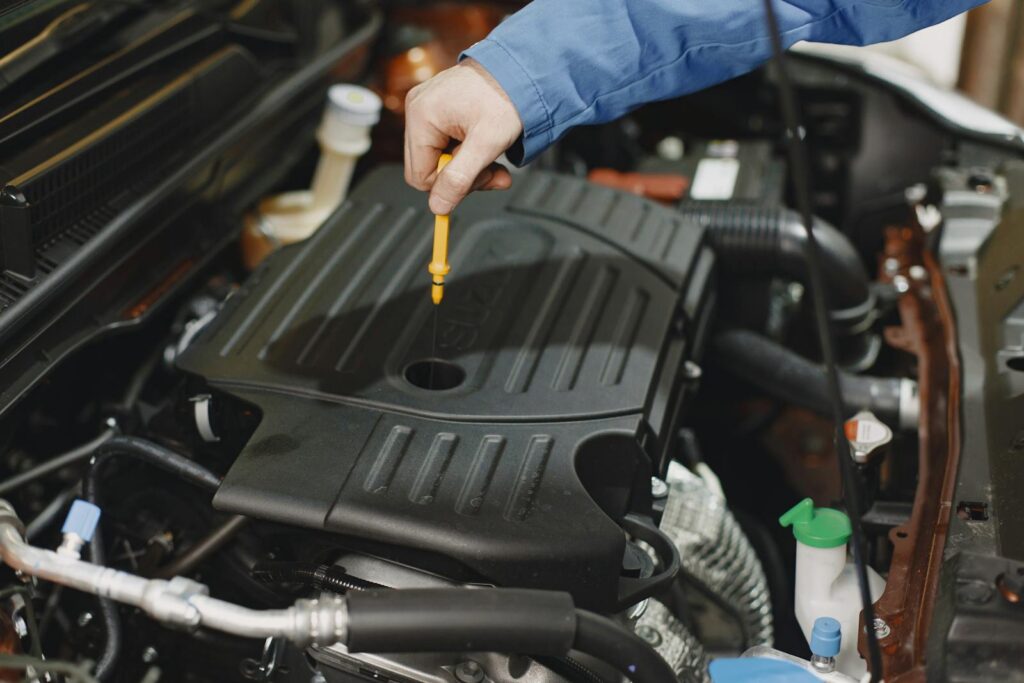
From a mechanic’s perspective, a leak is not just a mess, it is proof that the engine’s protective barrier has been breached. Modern engines rely on a pressurized film of oil to keep crankshafts, camshafts, and bearings from grinding directly against each other, and even a slow drip means that film is thinning out between service intervals. As the level drops, the pump has to work harder to maintain pressure, and pockets of metal inside the engine begin to run hotter and drier than they were designed to, which accelerates wear on every start, commute, and highway trip.
That is why shops that specialize in Professional Oil Leak frame leaks as early warnings rather than cosmetic annoyances. They point out that Oil is not just a lubricant but also a coolant and a cleaning agent that carries microscopic metal particles and combustion byproducts away from critical surfaces. When it escapes past a gasket or seal, the engine loses that protection in two ways at once: the level in the pan drops, and the remaining fluid is forced to work harder and break down faster, which is how a “minor” seep can quietly shorten an engine’s life by years.
How ignored leaks escalate into engine failure
Once a leak starts, every mile driven without a fix increases the odds that the engine will run low enough on oil to hurt itself. Drivers often assume the dashboard warning light will give them plenty of notice, but by the time that light flickers on, pressure has already fallen below a safe threshold and metal parts may be running nearly dry. If the leak worsens on a long highway trip or in stop‑and‑go traffic, the engine can overheat, warp its cylinder head, or seize a bearing in a matter of minutes, turning what could have been a gasket replacement into a full teardown or engine swap.
Guides that walk owners through why a car underline how quickly this escalation happens once the leak is ignored. They note that a neglected drip can lead to mechanical failures like damaged piston rings, worn crankshaft bearings, and even a thrown connecting rod if the oil supply is starved long enough. At that point, the repair bill often exceeds what a 10‑year‑old Honda Civic or Ford Escape is worth on the private market, which is why technicians warn that a cheap leak today can be the reason an otherwise solid car is written off as not worth fixing tomorrow.
Common leak sources that quietly destroy engines
Not every leak looks dramatic from the outside, which is part of what makes them so dangerous. A failing valve cover gasket on a 2015 Toyota Camry, for example, may only leave a faint burnt‑oil smell and a light mist on the engine block, but that seep can drip onto the exhaust manifold, cook the oil into sludge, and eventually work its way into spark plug wells. Over time, misfires and contamination can stress ignition components and allow unburned fuel to wash down cylinder walls, compounding the wear that began with a simple gasket failure.
Other leak points are even more directly tied to catastrophic failure. A worn rear main seal on a high‑mileage Chevrolet Silverado can bleed oil from the back of the engine where it is hard to see without a lift, while a cracked oil pan on a Subaru Outback can lose a quart in a short highway run if it hits road debris. Resources that catalog Risks from leaks stress that Refusing to address these sources does more than stain the driveway. Some of the most severe outcomes involve sudden drops in oil supply that leave drivers stranded with seized engines and towing invoices on top of major mechanical work.
Why “topping off” is not a real fix
Many owners try to manage a leak by keeping a jug of oil in the trunk and topping off when the dipstick looks low, but that strategy only masks the underlying problem. Constantly adding fresh fluid does nothing to restore lost pressure at the leak point, and it can give a false sense of security that encourages longer intervals between checks. If the leak rate increases, a driver who is used to adding a quart every few weeks may not realize the engine is suddenly losing that same amount in a few days, which is how even diligent top‑off habits can end with a dry sump and a ruined engine.
Technicians who focus on Preventing Costly Engine emphasize that topping off is at best a temporary survival tactic on the way to a proper repair. They explain that once a seal or gasket has failed, the only durable solution is to replace the compromised part and verify that the engine can hold pressure under load. Continuing to drive without that fix not only risks internal damage but can also contaminate rubber bushings, belts, and other components as leaking Oil spreads across the underside of the car, quietly multiplying the eventual repair list.
How to respond the moment you spot a leak
The smartest move when a driver notices fresh oil under a parked car is to treat it like a check‑engine light they can see on the ground. That starts with confirming that the fluid really is oil by checking its color and feel, then inspecting the dipstick to see how far the level has dropped. If the level is near or below the minimum mark, the car should not be driven any farther than necessary to reach a shop, and if the leak appears to be gushing rather than dripping, a tow is usually cheaper than gambling on a short drive that could end with a seized engine.
Consumer‑focused breakdowns of oil leak causes recommend documenting where the spots appear under the car and how quickly they return, since that information can help a mechanic zero in on likely sources. They also highlight that fixing a leak early often costs a fraction of what drivers fear, especially when the culprit is a common part like an oil filter housing gasket or valve cover seal. Acting quickly protects the engine, avoids the environmental impact of a chronic leak on streets and driveways, and keeps a “small” problem from growing into the kind of internal damage that makes replacing the entire vehicle look like the only rational choice.
More from Wilder Media Group: