
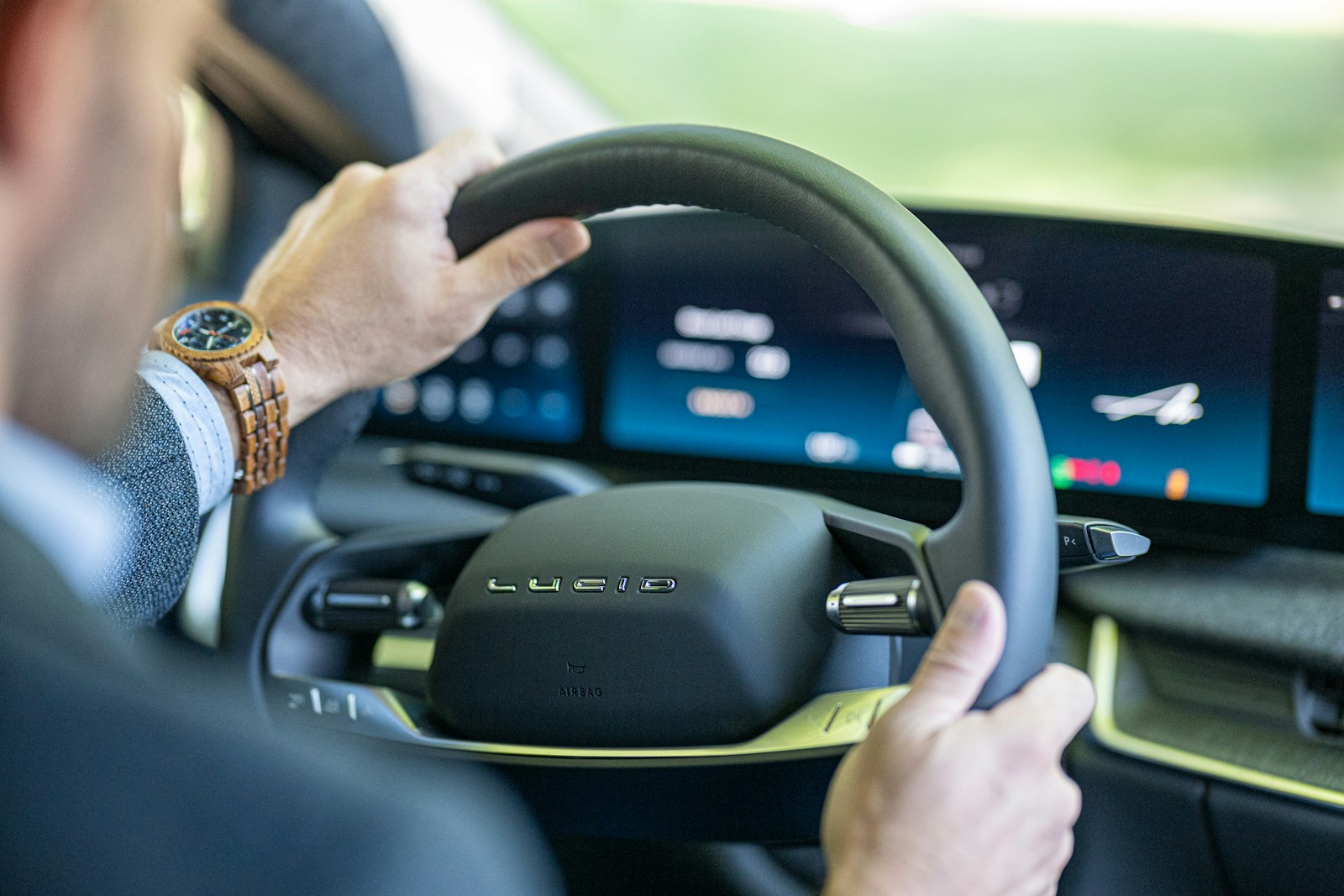

Modern cars promised to feel like smartphones on wheels, but for many drivers the result is a cockpit that is harder, not easier, to use. Large touchscreens now control everything from climate to wipers, and the people who grew up with knobs and stalks are increasingly saying they have had enough. Safety researchers are starting to agree, warning that the new dashboards are pulling eyes and attention away from the road at the very moment traffic is getting more complex.
The backlash is strongest among older motorists, who remember when you could adjust the radio by feel without looking down. Yet their frustration is not just nostalgia. A growing stack of studies, safety rules and even design reversals from big brands suggest that the touchscreen era in cars is already being rethought, with physical buttons quietly making a comeback.
Touchscreens Were Sold As Progress, But Drivers Are Struggling
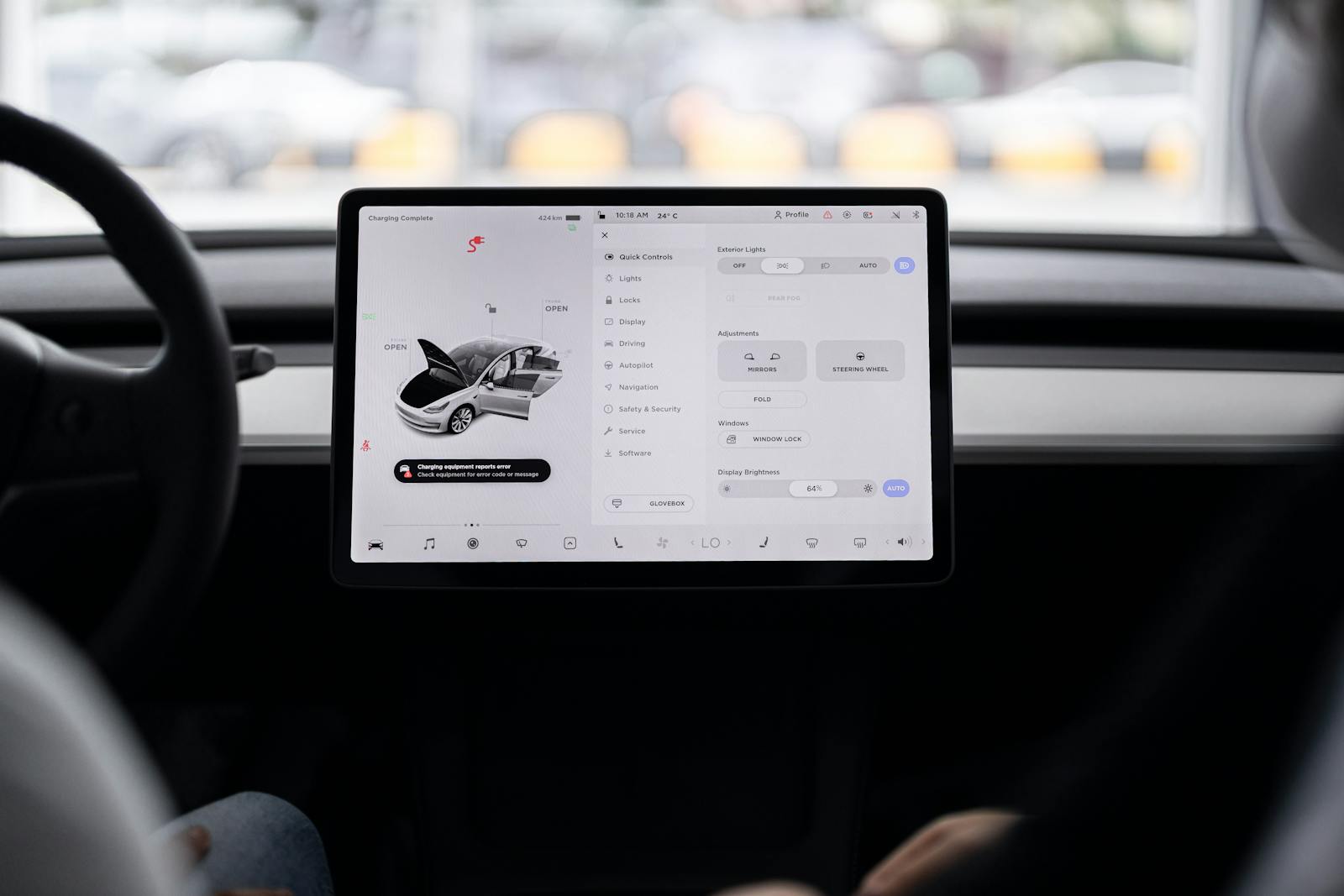
Automakers spent the past decade ripping out rows of switches and replacing them with glossy panels that promised endless flexibility and a clean, minimalist look. In practice, many drivers now find that basic tasks require digging through menus, tapping tiny icons and waiting for laggy animations, all while traffic moves around them. In one widely discussed segment, host Aug walks through a new study and notes that drivers “hate” sprawling in-car screens, yet manufacturers keep doubling down on them, a disconnect that captures the mood in many showrooms today, as seen in a recent Aug discussion.
That frustration is not just about aesthetics, it is about workload. A report on driver distraction found that large in-car displays can significantly increase the time it takes to complete simple actions like lowering the temperature or changing a radio station, because each step demands visual confirmation and precise finger taps instead of a quick twist of a dial. Researchers warned that these oversized interfaces can pull attention away from the road for longer stretches, especially when drivers are also dealing with navigation or an in-car system, a pattern highlighted in a recent study of large touchscreens.
Safety Data Is Catching Up With What Drivers Feel
For years, complaints about in-car tech were easy to dismiss as grumbling, but the numbers now paint a sharper picture. A study from the Virginia Tech Transportation Institute reported that about 97% of new vehicles contain some form of in-vehicle touchscreen, which means almost every driver is now exposed to these systems. When researchers compared performance, they found that interacting with these screens can impair focus in ways that look uncomfortably similar to other forms of distraction, especially when drivers must remember menu paths or juggle multiple functions at once.
Other experiments have gone further, quantifying how much more erratic driving becomes when screens are involved. One study cited by analysts found that Drivers drifted out of their lane 42 percent more often when they were asked to complete tasks on a touchscreen compared with more traditional controls, with no meaningful improvement even after practice. Separate research from the Toyota Research Institute reported that Lane deviation rose dramatically when drivers interacted with in-car screens, reinforcing that these interfaces are not just annoying but can be “massively distracting” in real traffic, a conclusion echoed in both a New analysis of driver behavior and a separate Toyota Research Institute study.
Boomers Feel Left Behind By “Smartphone Dashboards”
Older drivers are often the first to say that something has gone wrong in modern cabins, and research suggests their complaints are rooted in how they learned to drive. A study on driver-vehicle interaction found that Older respondents lacked experience in receiving information on digital screens and therefore tended to dislike digital user interfaces, preferring feedback provided by mechanical parts rather than screens, a pattern documented in a Older focused analysis. That aligns with the way many Boomers learned to operate cars, relying on muscle memory for levers and knobs instead of scanning a glowing panel for icons.
The cultural gap is wide enough that language teachers now use it as a case study. One lesson titled Why asks why Older people, often called Boomers, complain so much about modern technology and notes that younger generations increasingly agree with them on specific pain points, including cluttered digital controls, as discussed in a Why explainer. Lifestyle reporting on Driving habits has also pointed out that Boomers came of age when cars were heavier and simpler, with minimal safety features and almost no screens, which shaped a driving style that values predictability and tactile feedback, a contrast highlighted in a piece on Driving habits Boomers cannot let go of.
Regulators And Carmakers Start To Hit The Brakes
Regulators are no longer treating this as a purely stylistic debate. In Europe, the safety organization Euro NCAP has decided that some functions are simply too critical to bury in a screen. From Jan 2026, the group will penalise cars that hide essential controls such as indicators, hazard lights, wipers and the horn inside touch menus, a shift that effectively forces manufacturers to bring back physical switches for those tasks, according to guidance shared by the European body Euro NCAP. Separate reporting on New safety tests arriving in 2026 notes that these assessments will put fresh pressure on car makers to dial back convoluted touch interfaces that are too confusing to use while driving, with poor scores likely to hurt sales in safety-conscious markets, as outlined in a New testing framework.
Manufacturers are already adjusting. Car brands are not going back to buttons out of nostalgia, but because safety and usability data are hard to ignore. One analysis notes that Car brands will face Euro NCAP penalties if they rely solely on screens for key controls and that driver studies show higher distraction and longer eye-off-road time in screen-only cabins, which is why companies like VW, Hyundai, Mercedes and Mazda are reintroducing physical buttons alongside displays, as summarised in a Car focused update. A separate consumer report notes that the complexity of modern dashboards is already pushing some older drivers to seek out simpler models, highlighting a shortlist of vehicles that keep controls refreshingly straightforward for motorists over 70, as detailed in a guide to cars for over 70s.
Buttons Are Quietly Making A Comeback
Inside design studios, the pendulum is already swinging back toward tactile controls. A short briefing from Jan shows how automakers around the world are quietly changing something inside cars, ditching all-touch layouts and bringing back buttons, a shift captured in a Jan explainer. One of the clearest examples is Volkswagen, which is reinstating physical buttons and a volume dial in its new ID Polo compact car after criticism that earlier models were too reliant on touch sliders, a reversal described in detail in coverage of Volkswagen and the Polo. Another report notes that Volkswagen has faced sustained pushback against all-touch interfaces that sacrificed ergonomics for aesthetics, prompting the brand to revive physical buttons in the ID. Polo EV to address those concerns, as outlined in a separate look at Volkswagen design changes.
Other brands are following a similar path. Mercedes and Benz software lead Magnus Östberg has been quoted saying, “The data shows us the physical buttons are better, and that is why we put them back in,” while also warning that unwinding years of screen-first design will take time, a point made in a report on Magnus and his team. Mazda has taken a different tack, with One of the highlights of the 2026 Mazda CX-5 being a reworked infotainment system that reflects the company’s long-standing reluctance to embrace full touch control, a philosophy that has often frustrated tech enthusiasts but now looks prescient as safety concerns mount, as described in a feature on the One of the Mazda CX system.
More from Wilder Media Group: