
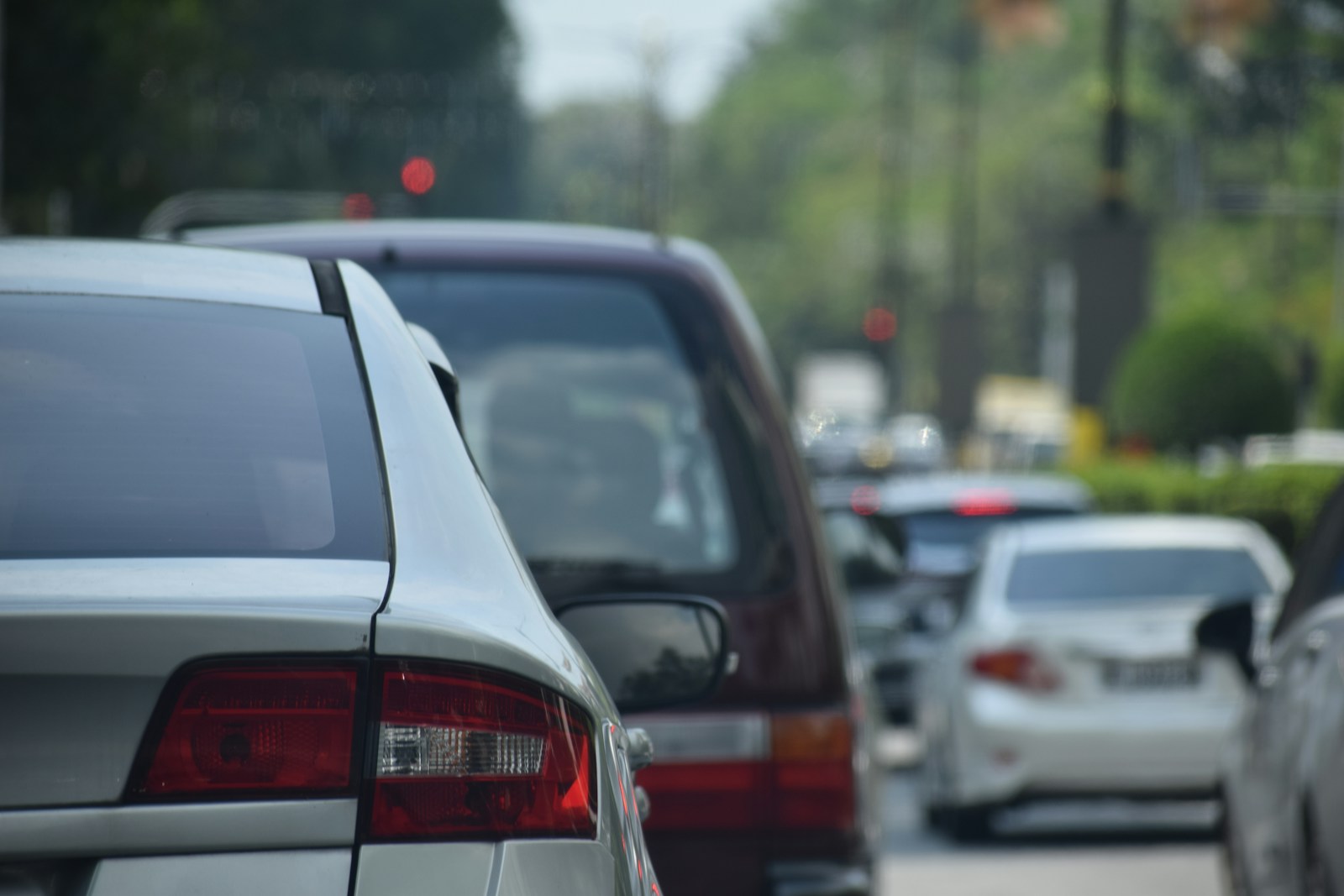

Across the country, drivers are noticing the same pattern: more flashing lights in the rearview mirror, often for a mistake they barely registered in the moment. As traffic rules tighten and enforcement tools get sharper, a single lapse behind the wheel is turning into the trigger for a growing share of roadside stops. The common thread is not exotic or obscure, it is a basic rule of the road that many people bend every day until it suddenly costs them.
The One Mistake Officers Watch For First

When motorists talk about feeling targeted on the road, they usually circle back to the same behavior: Speeding. It is the habit that creeps in on empty highways, during rushed school runs, and in the late-night quiet when the posted limit feels more like a suggestion than a rule. Training materials for new motorists underline that Speeding is by far the most common reason officers initiate a stop, and that priority has not faded as cars have become more powerful and cabins more insulated from any sense of speed.
Data on roadside encounters backs up what drivers sense anecdotally. National analyses of traffic stops show that Speeding remains the top reason for a vehicle to be pulled over, accounting for a precise 40.9% of all stops, a figure that underscores how central this one infraction is to everyday enforcement. That 40.9% share means nearly half of all drivers who see red and blue lights in the mirror are there because their speed crept above the limit, not because of a broken taillight or a rolling stop. For officers, it is a straightforward violation to observe and document. For drivers, it is the easiest mistake to rationalize until the moment it becomes a ticket.
Why Speeding Is Drawing Even More Attention In 2026
What is changing now is not just how often people speed, but how aggressively that behavior is being policed. Traffic laws in the U.S. are tightening in 2026 as States move to shorten grace periods around school zones, construction areas, and other high-risk stretches of road. Those shorter windows leave less room for a driver to drift a few miles per hour over the limit without consequence, especially in corridors where crash histories have already drawn public scrutiny.
At the same time, the tools used to catch speeders are multiplying. Automated cameras are being installed along more corridors, and the likelihood of receiving a citation is rising as those systems capture violations that a single patrol car could never see. Analysts tracking Traffic Law Changes note that the spread of these automated devices is directly increasing The Likelihood of Receiving a Citation, especially in corridors where cameras are installed to monitor recurring crashes. For drivers, that means the old calculation of “I probably will not get caught” is increasingly out of date.
From Traffic Stop To Insurance Shock
The consequences of a speeding stop now extend far beyond the side of the road. Insurers are recalibrating how they treat moving violations, and a single citation can ripple through a driver’s budget for years. Analysts examining how Traffic laws in the U.S. are changing report that insurers are increasingly willing to raise premiums sharply or even ask an insurance firm not to renew your policy when repeated violations stack up. That shift means the cost of a roadside warning that turns into a ticket is no longer just a one-time fine, it can be a long-term hit that reshapes a family’s transportation budget.
Those financial stakes are especially high for drivers who already sit on the edge of risk categories. A pattern of Speeding citations can push a motorist into a tier where coverage is more expensive or harder to find, and the new rules are designed so that bad drivers face bigger consequences. For a delivery worker in a 2018 Honda Civic or a rideshare driver in a 2022 Toyota Camry, a jump in premiums after a couple of tickets can erase the thin margin that makes their work viable. The result is that the same mistake that triggers more traffic stops is also the one most likely to echo through a driver’s insurance record, credit profile, and even job prospects.
How Speeding Opens The Door To Deeper Scrutiny
Once a car is pulled over for Speeding, the stop can quickly expand into a broader investigation. Legal guidance on roadside encounters explains that officers are trained to look for additional cues that might suggest impaired or risky driving. In situations where a driver is suspected of DUI, for example, officers may rely on a set of factors such as erratic lane position, slurred speech, or the smell of alcohol to build reasonable suspicion beyond the initial speeding violation. That means a few miles per hour over the limit can become the legal doorway to field sobriety tests, vehicle searches, or questions about where a driver is coming from and where they are headed.
For motorists, that layered scrutiny can make a routine stop feel far more intrusive, especially at night or in unfamiliar neighborhoods. A driver who was simply trying to keep up with traffic in a 55 mph zone can suddenly find themselves answering detailed questions about prescription medications or recent bar visits. Legal analysts emphasize that the original basis for the stop, often Speeding, is what gives officers the opportunity to observe these additional signs and decide whether to escalate. In practice, that means the most common mistake on the road is also the one most likely to expose a driver to deeper legal risk if anything about their behavior, their passengers, or their vehicle raises further concern.
What Drivers Can Do To Stay Out Of The Crosshairs
With Speeding sitting at the center of so many stops, drivers who want to avoid those flashing lights need to treat the posted limit as a hard boundary rather than a suggestion. That starts with simple habits: using cruise control on long highway stretches, setting navigation apps like Waze or Google Maps to alert when the car exceeds the limit, and leaving a few extra minutes for commutes so there is less temptation to make up time on the road. In school zones and construction areas, where Big changes are tightening grace periods, easing off the accelerator even earlier can be the difference between a clean drive and a mailed citation from an automated camera.
Drivers can also protect themselves by understanding how enforcement patterns are shifting. As Jan policy updates roll out and Automated systems expand, it becomes more important to know where cameras are active and how local officers prioritize Speeding relative to other violations. Some drivers are turning to connected car features in models like the Ford F-150 or Subaru Outback that display live speed limits on the dashboard, while others rely on smartphone apps that crowdsource enforcement hot spots. The common thread is a more deliberate approach to speed, one that treats the accelerator as a financial and legal lever rather than just a way to shave a minute off the trip.
More from Wilder Media Group: