

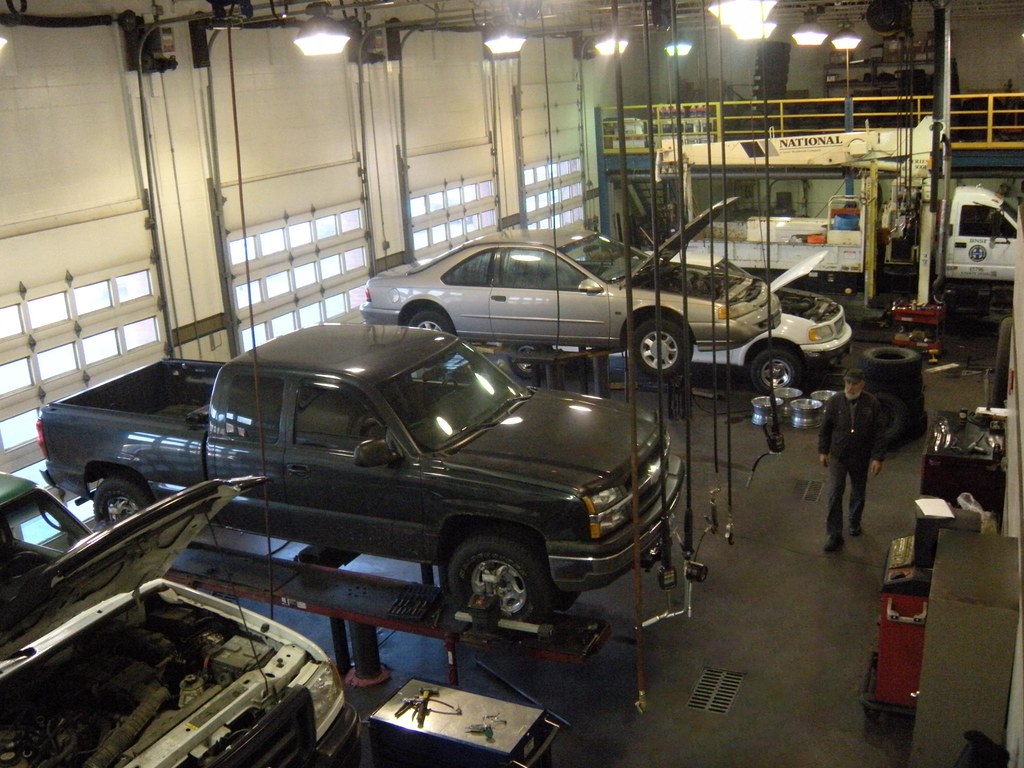
Truck shops are seeing the same story play out across the country: the repairs rolling into the bay are getting more complicated, and the invoices are getting a lot bigger. From fleets running hundreds of tractors to owner-operators trying to keep one rig on the road, mechanics say a handful of failures are showing up again and again, and they are anything but cheap to fix.
Those repeat offenders range from brake system overhauls to powertrain and exhaust work tied to modern emissions rules, plus a growing list of electronic and safety tech headaches. Layer in rising labor rates, pricier parts, and the brutal cost of downtime, and it is easy to see why those “more common” repairs are starting to feel like a financial gut punch.
Why truck repair bills are climbing so fast
Before getting into specific failures, it helps to understand why the bill for almost any truck repair feels steeper than it did a couple of years ago. Shops are dealing with higher parts prices, more complex systems, and customers who cannot afford to have a truck sidelined for long, which all shows up on the final invoice. Industry data on Repair trends points out that the CPI for motor vehicle maintenance is still heading north, so the baseline cost of simply walking into a shop is higher than it used to be.
On top of that, the underlying economics of auto and truck work have shifted. One analysis of 2025 Cost Increases found that, on an August Year Over Year basis, Overall auto repair costs were up 15 percent, with OEM replacement parts and shop labor both more expensive than they were a year earlier. That kind of broad inflation does not stop at pickups and SUVs, it bleeds straight into the heavy truck world, where every extra hour of diagnostic time or markup on a component multiplies across a fleet.
Unplanned downtime: the hidden repair that hurts most
Ask any fleet manager which repair scares them most and they will often skip past parts and jump straight to downtime. When a truck is parked unexpectedly, the meter starts running on lost revenue, missed loads, and driver frustration. Reporting on Unplanned failures in Fleet Maintenance shows that unplanned vehicle downtime costs fleets between $500 and $2,000 per day, per vehicle, a range that quickly dwarfs the price of many individual parts.
For a mid-sized operation, the math gets ugly in a hurry. The same Fleet Maintenance analysis notes that for a fleet of 100 trucks, even a short spike in breakdowns can translate into a massive hit to the bottom line, especially when rigs are expected to stay in service longer than ever before. Another breakdown of $500 to $2,000 per day, per vehicle, tied to Unplanned downtime, underlines how a single truck sitting for parts can erase the profit from several completed loads.
Brakes, tires, and lighting: the “basic” systems that keep failing
Mechanics say some of the most common repairs are also the ones that should be the most preventable. Brake System Failures, for example, have become a top-line item in many shops, with technicians seeing everything from worn pads and cracked drums to air leaks that should have been caught in inspections. A review of The Most Common Truck and Trailer Repairs of 2025 notes that Brake System Failures and Brake work topped repair lists, a sign that fleets are still struggling to stay ahead of wear on heavy rigs.
Lighting and electrical issues are not far behind. Shops report a steady stream of trucks with dead marker lights, corroded connectors, and wiring damage that can trigger violations and out-of-service orders. The same breakdown of The Most Common Truck and Trailer Repairs of 2025 points out that Electrical and Lighting Problems, along with lighting violations, continued to be a major enforcement trigger, especially when drivers ignore rising temperature gauge readings or warning lights that hint at deeper trouble.
Powertrain and exhaust: where the big money goes
When technicians talk about the repairs that really blow up a budget, they usually land on engines, transmissions, and emissions hardware. These are not quick pad swaps or bulb changes, they are multi-day jobs that can involve pulling a cab, ordering specialized components, and running extensive diagnostics. Industry tracking of truck service patterns notes that Powertrain and Exhaust to Dominate Costs, and, Unsurprisingly, those systems account for the largest share of spend in many fleets.
Within that bucket, emissions components have become a particular sore spot. High value SKUs like diesel particulate filters, NOx sensors, and aftertreatment modules are not only expensive to buy, they are also subject to supply chain hiccups and tariff-related markups. Reporting on How It Really Feels Inside a Heavy Truck Dealership describes Higher list prices on high value SKUs such as emissions components and electronic control units, often padded with a “surcharge” or “import fee” line that customers only notice when they see the final bill.
Electronics, ADAS, and diagnostics: the new normal in “simple” jobs
Even when the failure looks straightforward, the electronics behind it rarely are. Modern trucks are packed with sensors, control modules, and safety tech that all have to be checked, reset, or calibrated when something goes wrong. Analysts looking at why repairs cost more point to the fact that Modern automotive technology makes newer vehicles more complex, and Diagnosing and fixing issues require specialized tools and technicians because systems are no longer simple, modular components that can be swapped in minutes.
Advanced Driver Assistance Systems are a prime example of that shift. What used to be a basic bumper or windshield replacement now often comes with a line item for calibrating cameras, radar, and lidar so features like lane keeping and automatic emergency braking work correctly. One review of Advanced Driver Assistance notes that ADAS calibrations now appear in 33 percent of collision repair estimates, a figure that shows how quickly this once rare procedure has become routine in body and mechanical shops.
Inflation, tariffs, and parts: why components cost what they do
Behind every expensive repair is a parts invoice that has quietly crept up. Shops that track their own purchasing say they are paying more for everything from filters and fluids to major assemblies, and they are not imagining it. A breakdown of Notable Service Task shows diesel oil changes using conventional oil jumped 23.7% to $96, while other routine services like coolant flushes also climbed, which means even basic maintenance visits are more expensive than they were a short time ago.
Tariffs and global supply pressures add another layer. Dealers describe a world where Higher list prices on high value SKUs are now standard, especially for imported electronics and emissions gear. The snapshot of How It Really Feels Inside a Heavy Truck Dealership notes that those Higher prices often show up as a “surcharge,” “import fee,” or similar fee line, which leaves fleets feeling like they are being nickeled and dimed even when the dealer margin has not changed much.
Brakes and power plants: what the service data says
Mechanics’ gut feelings about what is failing most often are backed up by service statistics. Across the industry, brake work has surged, with more trucks coming in for pad and rotor replacements, air system leaks, and ABS faults. A review of truck service patterns titled Flat Spots and notes that while some categories like Tires, Manual transmissions, and Clutches have seen flat spots or declines, Power Plants Hold the Lead in overall cost impact, and lighting systems are up 10.2 percent, which lines up with what shops are seeing on the ground.
Engines and exhaust hardware remain the heavyweight line items. Another deep dive into service spending confirms that Dominate Costs is not just a throwaway phrase, Powertrain and Exhaust Continue to account for the largest share of repair dollars, Unsurprisingly, given the complexity and regulatory pressure around those systems. When a turbo fails or a diesel particulate filter plugs up, the parts, labor, and downtime combine into exactly the kind of eye-watering bill mechanics say they are writing more often.
How fleets are fighting back with maintenance and tech
Faced with rising bills, fleets are leaning harder into prevention and smarter scheduling. Many are shifting from reactive fixes to data-driven service plans that try to catch problems before they sideline a truck. One overview of Top Heavy Duty Truck Maintenance Trends and Best Practices for 2026 notes that Predictive Maintenance Is Becoming the Standard, One of the most important shifts in how fleets manage Tire Health and Alignment and keep a closer eye on Brake and Emissions Systems before they fail.
Lubrication strategies are also getting an upgrade. Instead of treating oil and grease as an afterthought, more operators are looking at how advanced products can extend component life and stretch service intervals without risking failures. A detailed look at Fleet Maintenance and How Advanced Lubrication Technology is Solving the Industry Biggest Challenges explains how better fluids can cut friction, reduce heat, and help keep trucks in service longer than ever before, which is one of the few levers fleets can pull to push back against rising repair costs.
Why prevention still beats the most “common” repairs
For all the talk about expensive failures, mechanics are quick to point out that many of them are avoidable with consistent maintenance and driver awareness. Big rigs that run 2,000 to 4,000 miles per week are under constant stress, and skipping inspections or stretching service intervals is basically an invitation for trouble. A guide to the Costly Issues That U Drive Maintenance Programs Cover notes that Big rigs on the road for 2,000 to 4,000 miles per week benefit most when fleets stay ahead of engine, cooling, and brake problems instead of waiting for a breakdown.
There is also a broader financial backdrop that makes prevention more attractive. With Overall repair costs climbing and Fleet Fact of 2026 reminders that The CPI for motor vehicle maintenance is still rising, every avoided shop visit matters. Add in the reality that Insurers are often on the hook for much of those costs and respond by raising rates, and that Materials designed to crumple or deform in a crash can be expensive to replace, and it becomes clear why mechanics keep preaching the same message: the most affordable repair is the one that never has to be written up.
More from Wilder Media Group: