
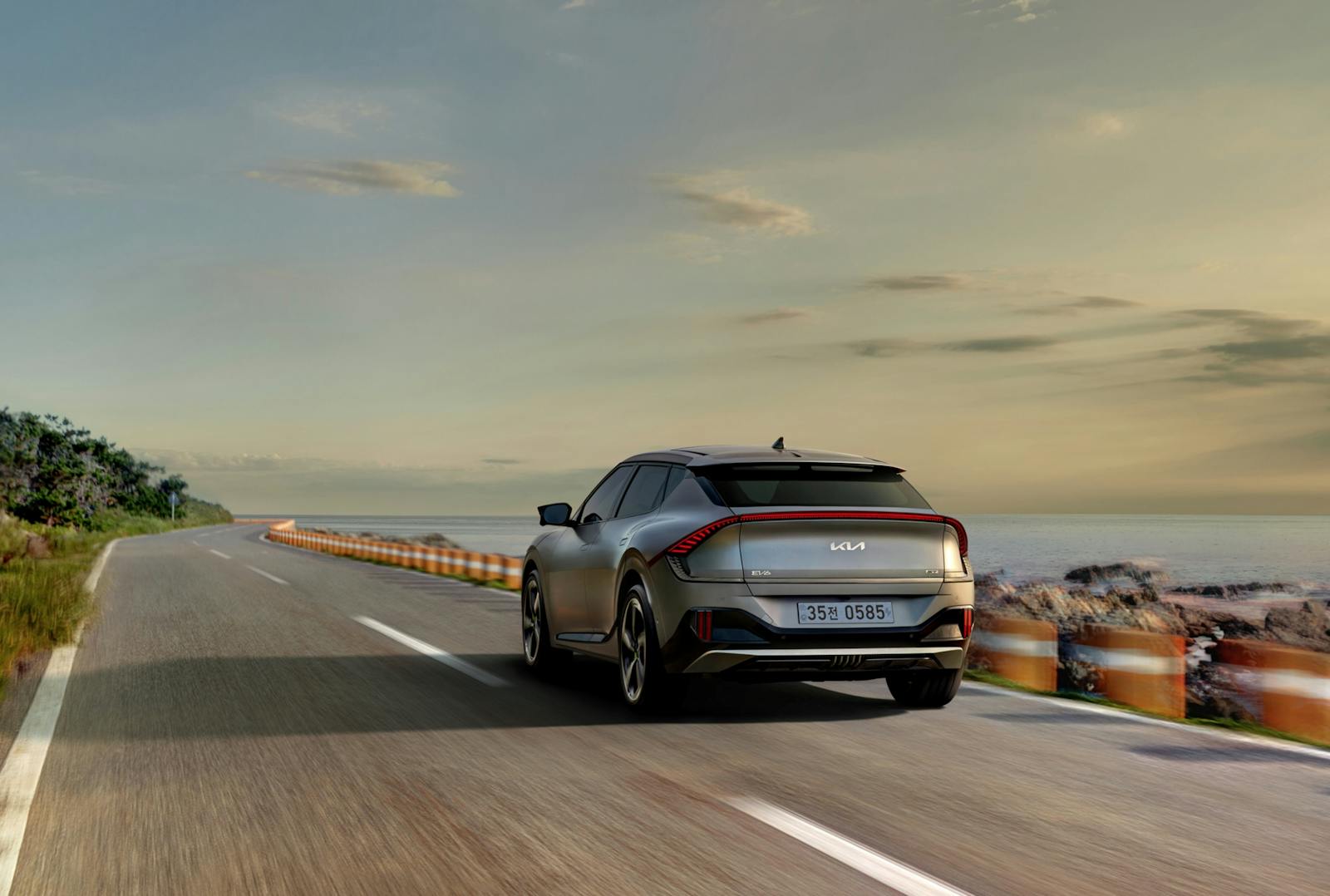

Electric cars have gone from quirky side project to serious part of the car market, but the culture war around them has only gotten louder. One of the sharpest lines in that fight is the claim that battery-powered cars are fine for short urban hops but fall apart in what drivers call “real life,” meaning long trips, bad weather and spotty infrastructure. That tension is now shaping how automakers invest, how governments plan roads and grids, and how ordinary buyers decide what to park in their driveway next.
Underneath the noise, the basic direction is not really in doubt: the industry is moving toward electric power. The real argument is about pace and practicality, and whether the current generation of EVs can match the messy, unpredictable way people actually use their cars. That is where the gap between city convenience and everyday reality is getting tested, in showrooms, on highways and at lonely chargers off rural exits.
The city sweet spot: where EVs really shine

In dense cities, electric cars fit daily life almost too neatly, which is why so many early adopters live in urban postcodes. Short commutes, predictable routes and lower average speeds play to the strengths of battery packs, while home or workplace charging turns refuelling into a background task instead of a weekly errand. Drivers who can plug in overnight rarely think about public chargers at all, and for them the idea that EVs are only “for the city” sounds less like a criticism and more like a statement of fact.
Automakers have leaned into that urban use case, pitching compact crossovers and hatchbacks as quiet, low-maintenance tools for school runs and office trips, even as they recalibrate their broader electrification timelines in what some executives now call a phase of EV realism. The long term direction toward electrification is still described as clear, but companies are now more open about the fact that city-focused buyers are carrying much of the early market while they keep building out options for heavier use and longer distances.
“Real life” means road trips, winter and the weekly grind
When critics say EVs are not built for “real life,” they are usually not talking about a 12 kilometre commute or a supermarket run. They are thinking about the annual family road trip, the late night dash to visit relatives, the winter weekend where temperatures plunge and heaters run full blast. In that world, range anxiety is not an abstract phrase, it is the fear of watching a battery gauge fall faster than expected while the next charger is still a long way off.
That anxiety is not entirely imagined, especially outside big metro areas where uneven infrastructure still leaves big gaps. Drivers in smaller cities and rural regions often face a patchwork of slow chargers, out of service stations and long detours, which makes the same car that feels effortless in town suddenly feel fragile on a cross country run. That split experience is exactly what fuels the “city only” label, even as technology and networks keep improving.
Charging deserts and the rural reality check
On paper, fast charging networks have expanded at a rapid clip, but the coverage map still has some glaring holes. Major interstates and popular corridors now have dense strings of high power chargers, yet once drivers peel off into less populated regions, the dots on the map thin out quickly. That is where the gap between marketing promises and lived experience becomes obvious, especially for people whose work or family life regularly takes them far from big cities.
Some long distance routes remain what one detailed analysis bluntly called Still Tough, with stretches that are largely barren of fast charging, especially in rural areas. Try to cross parts of Arizon or similar wide open states and drivers can still be forced to go one or two exits out of their way, or slow down to preserve range because the next reliable plug is uncomfortably far away. For people who live in those regions, it is hard to accept that EVs are ready for every version of “real life” when the basic refuelling network still looks like a work in progress.
Automakers pivot from hype to “EV realism”
Carmakers spent the last few years racing to announce ambitious electric targets, but the mood in boardrooms has shifted from pure enthusiasm to something more cautious. Executives now talk about matching product plans to actual demand, not just regulatory pressure, and they are watching closely to see how buyers respond in the middle of the decade. The phrase “EV realism” has become shorthand for this recalibration, a recognition that the transition will be bumpy and that internal combustion engines are not vanishing overnight.
One detailed look at industry strategy put it bluntly, noting that long term direction, but the timeline is being recalibrated as companies balance battery investments with hybrids and traditional internal combustion engines. That shift matters for the city versus “real life” debate, because it signals that automakers see a long transition period where different powertrains will coexist, tailored to how and where people actually drive.
From early adopters to everyday drivers
The first wave of EV buyers tended to be tech enthusiasts, environmentalists or drivers with specific use cases that made electric power a no brainer. They were willing to plan routes around chargers, live with early software quirks and explain their choice at every family gathering. As the market matures, the next wave looks very different: parents juggling school runs, tradespeople hauling gear, retirees who just want something comfortable and cheap to run.
Industry analysts describe 2026 as a pivot from early adoption to everyday reality, a phase where, Despite the progress so far, the market still faces Uneven charging in smaller cities and rural areas and the need for Grid upgrades to handle higher loads. Those are not problems that early adopters could simply shrug off with an app and a spreadsheet, they are structural issues that determine whether a mainstream buyer feels confident enough to ditch petrol. The more EVs move into that mainstream, the louder the “real life” test becomes.
The honeymoon is over, and that is healthy
Even some of the technology’s biggest fans now argue that the glow around electric cars needed to fade a little. One prominent early adopter wrote that, Increasingly, he is feeling that the honeymoon with electric vehicles is coming to an end, and that this is no bad thing because it forces a more honest look at trade offs and unintended consequences. That kind of reflection has fed a broader pushback against simplistic narratives that treat EVs as a magic environmental fix.
In that commentary, the writer, who has long championed cleaner transport, suggested that the fully green day for EVs has yet to dawn and that drivers should be realistic about battery production, electricity sources and how long cars are kept on the road, a point he grounded in his own experience with both petrol and electric models in a widely shared Increasingly critical essay. That more nuanced tone does not hand victory to EV sceptics, but it does make the debate more grounded, shifting the question from “are EVs good or bad” to “where do they work brilliantly, and where do they still fall short.”
Road trips: from impossible to merely annoying
Long distance driving has always been the hardest test for battery powered cars, and for a while it really did feel impossible outside a few well served corridors. That picture has changed quickly, with new chargers popping up along major highways and software that plans stops more intelligently. For many routes, what used to be a logistical puzzle has turned into something closer to a mild inconvenience, especially for drivers who are happy to sync charging breaks with meals or rest stops.
Yet even optimistic mapping of the network admits that some routes are Still Tough, with gaps that force drivers to go one or two chargers out of their way or slow down to stretch range. Those lingering pain points keep the “not for real life” narrative alive, because they are exactly the stories that spread in group chats and office kitchens. The reality is more mixed: for many people in well served regions, EV road trips have gone from impossible to easy, while for others, especially in remote areas, they remain a gamble.
Used EVs and the affordability question
Another front in the debate is cost, and here the used market is quietly becoming a crucial signal. New electric models still tend to carry higher sticker prices than comparable petrol cars, even if running costs are lower, which makes pre owned EVs a key entry point for budget conscious buyers. How those cars hold their value, and how comfortable second or third owners feel about battery health, will say a lot about whether EVs are seen as practical long term tools or short lived tech gadgets.
One detailed analysis of resale trends argued that pre owned sales might be the best indicator of the EV market’s future, predicting that the coming years will see continuing rapid expansion of charging infrastructure across the country while new BEV technology improves ranges and reduces charging session times, a shift that should support stronger values for used cars and broader adoption of BEV models. If that forecast holds, the idea that EVs are only for wealthy city dwellers will look increasingly out of date, even if infrastructure gaps still shape how and where they are most convenient.
What it will take to make EVs feel “real” everywhere
For all the noise, the path to making electric cars feel like a natural fit for every version of “real life” is not mysterious. It runs through more reliable fast chargers in rural areas, smarter grid planning so neighbourhoods can handle clusters of home chargers, and continued improvements in battery efficiency so cold weather or heavy loads do not cut range as sharply. It also depends on clearer communication from automakers about what their cars can and cannot do, instead of glossy promises that crumble on the first winter road trip.
Industry roadmaps for 2026 and beyond already talk about the need for better execution, collaboration and trust between carmakers, utilities and governments, echoing the warning that, Despite the progress so far, 2026 is not without challenges and that solving Uneven coverage and Grid constraints will decide how fast EVs move from niche to normal in every corner of the map, as laid out in one forward looking analysis. If those pieces fall into place, the old line about EVs being perfect for the city but not for real life may start to sound less like a verdict and more like a snapshot of a transition that is already moving on.
More from Wilder Media Group: