

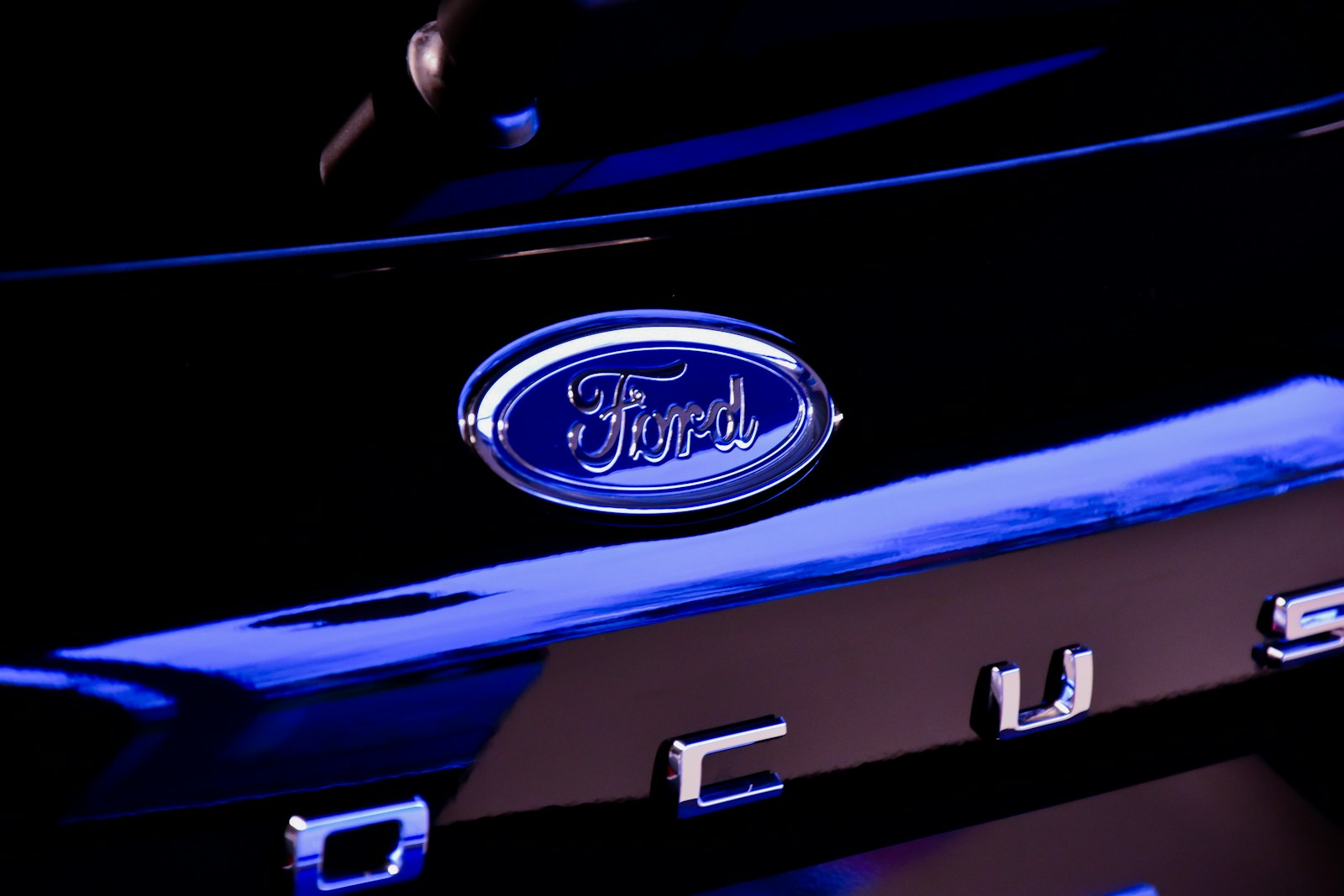
Ford is telling more than one hundred thousand drivers to stop plugging in their winter lifeline, after a defect in certain engine block heaters raised the risk of vehicle fires. The recall covers 116,672 Escape, Focus, and Lincoln MKC models that use a specific heater design that can crack, leak coolant, and short out when connected to power. For owners in cold parts of the United States, it is an unwelcome headache right as temperatures drop, but it is also a safety problem that deserves quick attention.
The company and federal regulators say the issue has already been linked to dozens of fires, although no injuries have been reported so far. The fix will be free, but it will take time, and in the meantime the guidance is blunt: if the vehicle is on the list, the block heater should stay unplugged.
What exactly Ford is recalling
The recall zeroes in on a specific group of compact cars and small SUVs that were factory equipped with a problematic engine block heater. According to recall filings, the campaign covers Approximately 116,672 Ford and Lincoln vehicles that share the same heater hardware. That total includes a large batch of Ford Escape and Focus models, along with a smaller run of Lincoln MKC crossovers that use the same 2.0 liter engine and heater package.
One breakdown of the numbers notes that the affected group includes tens of thousands of Ford Escape and Focus units and exactly 1,909 Lincoln MKC vehicles, all tied together by the same heater design and recall ID in Ford’s filing with the National Highway Traffic Safety Administration. In that filing, Ford explains that the defect is limited to vehicles equipped with the optional cold weather feature, so not every Escape or Focus on the road is involved, only those with the suspect heater that are now flagged in the company’s safety recall paperwork.
Why a winter convenience feature turned into a fire risk
Engine block heaters are supposed to be the quiet heroes of winter, letting drivers plug in overnight so the engine is warm and ready to go in the morning. In this case, the part that is meant to make cold starts easier has become the problem. The National Highway Traffic Safety Administration has said the affected heaters can crack and develop coolant leaks, which can then cause a short circuit when the block heater is plugged into an outlet, creating a fire hazard in the engine bay or even in the surrounding area if the vehicle is parked in a garage.
Regulators describe the failure in simple terms: coolant seeps out of the cracked heater, moisture reaches the electrical elements, and the system can arc when energized. The NHTSA has warned that this can happen while the vehicle is stationary and connected to power, which is exactly how most people use block heaters overnight. That is why the agency’s recall notice stresses that the risk is tied to the heater being plugged in, and why Ford’s own documents echo that the short circuit only occurs when the defective heater is energized through a household or GFCI outlet.
How many fires and vehicles are involved so far
The scale of the problem is not theoretical. Consumer safety lawyers tracking the issue say that Nearly 120,000 vehicles are affected by two related Ford campaigns tied to engine block heaters. Those same reports link more than 50 fires to the defect, a figure that appears in Ford’s own safety filings and underscores why the company and regulators moved from monitoring complaints to ordering a full recall. The number 50 is not just a round estimate, it is the tally of confirmed fire incidents that investigators have associated with the heater design.
Other summaries of the recall describe Ford pulling more than 100,000 vehicles from the road for inspection and repair, with one federal summary pegging the total at 100,000 vehicles recalled due to the risk of catching fire. Another national outlet frames it as Ford recalling more than 100,000 vehicles for an engine block malfunction, reinforcing that this is not a niche technical bulletin but a broad safety action that touches a significant slice of the company’s compact lineup.
Which models and years are on the hot seat
For drivers trying to figure out if their car is part of the problem, the model list is the first place to look. The NHTSA has said the recall includes some Explorer, Focus and Escape models, but the most detailed breakdown focuses on the Ford Escape and Focus, as well as the Lincoln MKC, that were built with the suspect heater. Coverage of the recall notes that the affected vehicles are compact crossovers and hatchbacks that are especially popular in colder regions, where buyers were more likely to check the box for a factory block heater when ordering their cars.
One analysis of Ford’s filing points out that the recall involves some 2016 model year vehicles with 2.0L engines, a configuration that shows up across the Escape, Focus, and Lincoln MKC lines. Another summary of the campaign explains that the recall includes some Explorer, Focus and Escape models, repeating that trio of Explorer, Focus and Escape to make clear that the issue is not limited to a single nameplate. Owners of those vehicles who know they have a block heater installed should treat their cars as suspect until they can confirm their status through Ford’s lookup tools or the NHTSA database.
How to tell if a specific vehicle is affected
Once a driver knows their model falls in the right family, the next step is to check the vehicle identification number. Owners are being told to plug their VIN into Ford’s online tools or the NHTSA recall search to see if their specific car is covered. Guidance from consumer advocates notes that Vehicle Identification Numbers can be checked through Ford’s owner site and through the government’s database, and that affected vehicles will show an open safety recall tied to the engine block heater. Dealers can also confirm status through Ford’s internal OASIS database, which is already populated with the campaign for the 116,672 vehicles.
Short of a database search, there are some physical clues that a heater may be failing. The recall report said consumers can identify defective block heaters by looking for coolant spots on the driveway or garage floor, a loss of cabin heat, or a warning indicator for a low coolant level. Other summaries echo that Customers with affected vehicle may notice coolant spots on the driveway or garage floor, a loss of cabin heat, overheating, smoking, or a low coolant warning, all of which should prompt a visit to the dealer even before a formal recall letter arrives. Those warning signs match what the NHTSA has described as early symptoms of a crack and leak in the heater body.
What Ford and regulators are telling drivers to do right now
The most immediate instruction is simple and strict: do not plug in the block heater. Owners are advised not to plug in the block heaters until the vehicle is fixed, a line that appears in both Ford’s recall communication and in consumer safety write ups. That advice applies even if the heater seems to be working normally, because the crack and leak that lead to a short circuit can develop over time, and the fire risk is tied to the heater being energized, not just installed.
Federal safety officials have backed up that guidance, with The NHTSA saying that the engine block heater may crack and have a coolant leak, causing a short circuit when the block heater is plugged in. For those customers that choose to continue to use the block heater despite the warning, one analysis notes that they are doing so at their own risk, even if no injuries have been reported so far. The Brief summaries of the recall from multiple outlets repeat that Ford issued a recall for some of its model vehicles because of an engine block heater issue that could pose a fire risk when the block heater is plugged in, and that the safest move is to leave the cord alone until the repair is complete.
What the repair will look like and how long it might take
Ford’s fix centers on replacing the defective heater hardware with a redesigned part that will not crack under normal use. The company has told regulators that it is working on a new heater design and that affected vehicles will receive a replacement once it is ready. Until that redesigned part is available in volume, dealers may temporarily disable the heater or advise owners to avoid using it, but the end goal is a full swap of the component in all 116,672 recalled vehicles so that drivers can safely return to plugging in during cold snaps.
Because the recall touches so many vehicles, the rollout will not be instantaneous. According to recall report from the National Highway Traffic Safety Ad, owners will be notified in stages, first with an initial warning and then later in April with a follow up once the remedy is available. That staggered schedule is meant to give Ford time to manufacture enough replacement heaters and ship them to dealers across the United States. In the meantime, Ford and Lincoln service departments are being briefed on how to identify the suspect parts and how to reassure Ford and Lincoln customers that the repair will be performed at no cost once the redesigned heater arrives.
Why this recall hits especially hard in cold-weather states
Drivers in warmer climates may never have touched their block heater, but in northern states the feature is part of the winter routine. If you live in a cold-weather state, there is a good chance you have leaned on an engine block heater to make winter mornings a little less brutal, especially with compact engines that can be sluggish in subzero temperatures. That is why this recall lands with particular force in regions where plugging in overnight is as normal as scraping ice off the windshield.
Coverage of the recall notes that as much of the eastern United States is staring down another round of frigid weather, the timing could hardly be worse for owners of Ford Escape and Focus, as well as the Lincoln MKC, who now have to choose between a cold start and a potential fire risk. Some consumer advocates have pointed out that Nearly 120,000 vehicles affected by the heater recalls represent a significant share of compact cars in snowbelt states, and that the more than 50 fires already linked to the defect are a reminder that this is not just an inconvenience. For households that park in attached garages or rely on their car for early morning commutes, the instruction to stop using a key winter feature is a real disruption.
How this fits into Ford’s broader safety record
This is not the first time Ford has had to answer questions about engine-related fire risks. Earlier this year, the recall of around 119,000 vehicles over engine block heater fire risk joined a list of other safety campaigns that have drawn scrutiny from regulators and drivers alike. The recall includes some Explorer, Focus and Escape models, which shows that the company’s compact and midsize lineup has been under the microscope for similar issues tied to heat, coolant, and electrical components.
One national report on the recall notes that Ford is recalling more than 100,000 vehicles for an engine block malfunction, and that Mary Walrath Holdridge of USA TODAY has highlighted how these repeated campaigns can erode driver confidence even when the company moves quickly to fix the problem. At the same time, federal summaries of the heater recall emphasize that, despite more than 50 fires, there have been no reports of injuries, which suggests that the combination of early warnings, NHTSA oversight, and Ford’s own outreach has at least limited the human toll so far.
Practical steps owners can take while they wait
More from Wilder Media Group: