

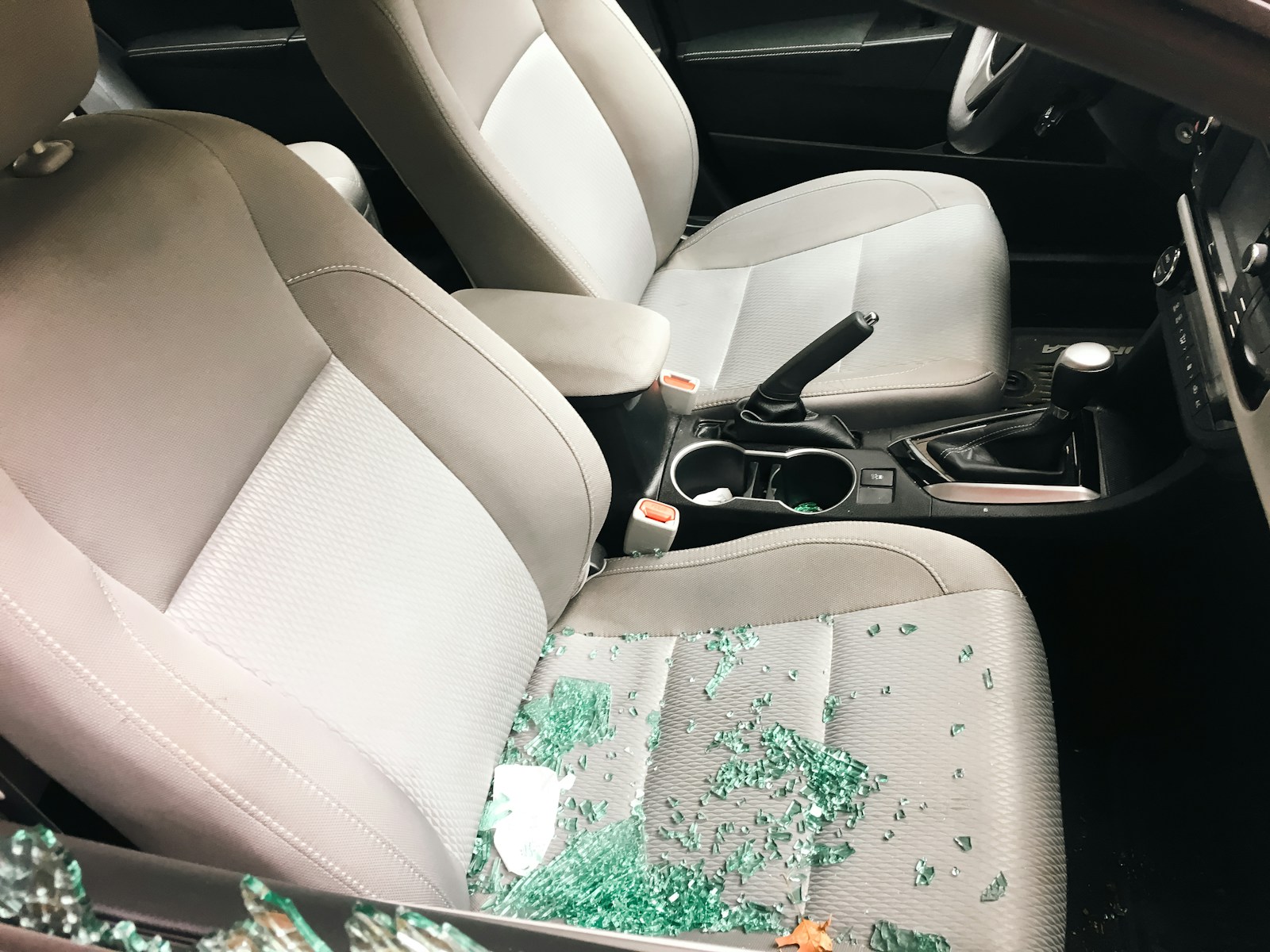
Police across the country keep sounding the alarm about car theft, and for a lot of drivers it feels like the problem is exploding on their own block. The reality is more complicated: overall theft numbers are easing off their pandemic-era peak, but certain models and certain neighborhoods are still getting hammered. Thieves have learned which cars are easiest to take, and they are zeroing in.
That mix of national progress and local pain is what matters for anyone who parks on the street or in a driveway. The data shows big drops in some states and a clear shift in which vehicles are most at risk, from older sedans to specific Hyundai and Kia models and even high-tech keyless cars. Understanding where theft is falling, where it is stubborn, and which models are on the hot list is the first step to not becoming the next statistic.
Big picture: thefts are falling, but the fear is real
Start with the good news, because it is not what most people expect when they hear sirens at night. Nationally, vehicle thefts in the United States have been dropping, with one major analysis finding that stolen vehicles were down 23% compared with the midpoint of the previous year, a trend that held through the first half of 2025 and pointed to a second straight year of declines. That same pattern shows up in broader crime data, where car thefts fell by 23% during the main part of 2025, signaling that the worst of the recent spike is easing even as the headlines keep coming.
Those national numbers are backed up by insurance and crime bureau data that put the rate at 126.62 vehicle thefts per 100,000 residents, a level that is still painful for victims but clearly lower than the peak of the surge. Analysts who track these trends say that if current patterns continue through the end of the year, vehicle theft totals are set to decrease nationwide for the second consecutive year, according to a series of national and crime reports, as well as detailed breakdowns of how Stolen Vehicles Down 23% Compared to Mid 2024 in OAK BROOK, Ill, and how How much did car thefts fall is now a key talking point for the National Insurance Crime Bureau.
Where the drop is sharpest, and where theft still bites
Zoom in from the national map and the story gets more uneven. Some places have seen dramatic relief, with Puerto Rico reporting the highest decrease in vehicle thefts at 43%, followed by Washington at 42% and North Dakota at 32, a trio of jurisdictions that show how fast the numbers can fall when enforcement, technology and public awareness line up. Those figures come from a detailed breakdown of state-level trends that highlights how local crackdowns and prevention campaigns can bend the curve.
Other regions are not breathing as easily. Even with the national decline, some areas, including Washington, D.C., and California, continue to see theft rates well above the national average, a reminder that a driver’s risk still depends heavily on their ZIP code. Mapping tools built from National Insurance Crime Bureau data show which of The American states have the highest rates of car thefts, and they underline how car theft clusters in certain corridors, according to a state analysis, a national OAK BROOK snapshot, and a separate look at how National Insurance Crime data reveals car theft across the US.
The models thieves love right now
Even as overall thefts cool off, the hit list of specific vehicles has gotten more focused. Analysts tracking insurance claims and police reports say The Hyundai Elantra and Hyundai Sonata are on track to be the most stolen vehicles in America for the second year in a row, a remarkable shift in a landscape long dominated by older Hondas and domestic pickups. That pattern reflects how thieves chase the easiest targets, and right now that means models with widely known security gaps and huge numbers on the road.
Lists of the 10 most stolen cars still feature familiar names like the Honda Accord and Honda Civic, but the surge in Hyundai and Kia thefts has reshuffled the rankings and pushed some compact sedans to the top. One breakdown of the 2025 data notes that even with the national decline, some regions, like Washington, D.C., and California, continue to see theft rates well above the national average, with those hot spots lining up closely with where these vulnerable models are most popular. That shift is documented in detailed rundowns of the Key findings that name The Hyundai Elantra and Hyundai Sonata in America for the theft rankings, as well as separate lists of the Dec top 10 that still feature the Honda Civic Si.
How a viral dare turned into a crime wave
The spike in thefts of certain models did not happen by accident. It was fueled by a social media phenomenon that turned car theft into a kind of online dare, with teenagers and young adults filming themselves starting specific vehicles without a key and then posting the clips for clout. Unfortunately, Social Challenge Fuels Th type content spread fast, and it did not take long for real-world theft numbers to reflect what people were watching on their phones.
Investigators who dug into the trend found that a group of teenagers in one city helped kick off a wave of thefts that led to a reported increase from 2021 to 2022 of 653% in some categories, a staggering jump that shows how quickly a “challenge” can morph into a crime spree. The now viral videos, seen on TikTok and other social media platforms, demonstrate how a person can start a car without a key by exploiting a simple vulnerability, leaving some Kia and Hyundai models particularly vulnerable and pushing them onto every police department’s watch list. Those details are laid out in warnings about the Unfortunately viral dare and in coverage of the now viral videos that walked viewers through the hack step by step.
Old-school hot-wiring meets new-school hacking
While the viral dare focused on low-tech vulnerabilities, thieves have also been upgrading their toolkits. Police in Anaheim, for example, have warned residents about Criminals using technology to steal cars, describing a new trend in which crews use signal boosters and other gadgets to capture keyless entry codes from outside homes and then drive off with vehicles in seconds. The Brief from local authorities is blunt: thieves are no longer just smashing windows, they are quietly cloning keys and slipping away before anyone notices.
That warning lines up with what other departments are seeing, including reports that thieves are using two advanced digital devices to intercept and relay signals from key fobs, even when those fobs are tucked inside a house. One local segment urged drivers to Think about how you store your keys at home, noting that Keeping your keyless entry fob out of sight is not enough as thieves only need to get close enough to grab the signal. Those concerns are spelled out in alerts from Criminals targeting Anaheim and in social posts like Think that spell out how Keeping fobs in signal-blocking pouches or metal boxes can cut off that attack.
Why the numbers are finally easing off
So if thieves are getting smarter and certain models are easy pickings, why are national theft numbers dropping instead of climbing? Part of the answer is that law enforcement, insurers and automakers have finally caught up to the problem, rolling out software updates, steering wheel lock giveaways and targeted patrols in the neighborhoods that were hit hardest. Analysts say that combination helped drive a 23% decline in car thefts in the United States during the main part of 2025, setting up what some describe as a second consecutive year of declines after the worst of the surge.
Another piece of the puzzle is simple awareness. Once drivers started hearing that there were 126.62 vehicle thefts per 100,000 residents, and that certain models were being taken in minutes, they began locking up more carefully, parking in well lit areas and investing in aftermarket alarms and trackers. Those behavioral shifts show up in the same data sets that document how Car thieves hit the brakes in 2025, how the Here and now Decline in thefts is reshaping insurance pricing in the United States, and how According to National Insurance Crime Bureau data, the drop is real even if it does not feel that way in every driveway.
The geography of risk: which states and cities stand out
For drivers, the risk of waking up to an empty curb still depends heavily on where they live. Data built from insurance claims and police reports shows that some states have managed to slash thefts, with Puerto Rico at 43%, Washington at 42% and North Dakota at 32 leading the pack, while others remain stubbornly high. Those numbers are not just trivia, they are a rough guide to how likely a given car is to be targeted on any given night.
Maps built from National Insurance Crime Bureau data highlight which of The American states have the highest rates of car thefts, and they show clear clusters around major metro areas and shipping corridors where stolen vehicles can be quickly moved or stripped. Even so, some regions, like Washington, D.C., and California, continue to see theft rates well above the national average, a pattern that lines up with the concentration of the most stolen models and the presence of organized crews. Those patterns are laid out in state breakdowns of Puerto Rico, Washington and North Dakota, as well as in national maps that use The American National Insurance Crime Burea data to show car theft across the US.
What owners of high risk models can actually do
For anyone driving a car that keeps popping up on the “most stolen” lists, the question is less about national trends and more about practical steps. Police and crime prevention experts keep coming back to a familiar checklist: park in well lit areas, never leave the area while your vehicle is running, and consider using anti theft technology like steering wheel locks, kill switches or aftermarket GPS tracking. Those simple moves can turn a tempting target into a hassle, and thieves are often looking for the easiest score on the block.
Owners of vulnerable Hyundai and Kia models have an extra layer of options, including software updates from manufacturers and low tech add ons like wheel locks that many departments have been handing out for free. For keyless cars, the advice is to store fobs away from doors and windows and, ideally, in signal blocking pouches or boxes that keep relay devices from grabbing the code. Those recommendations show up in state level guidance that urges drivers to Consider using anti theft technology, in local TV segments that tell viewers to Think about how they store their keys, and even in product listings for simple signal blocking cases and other product solutions that promise to keep thieves from relaying a fob’s signal.
The next phase of the fight against car theft
Looking ahead, the tug of war between car thieves and everyone trying to stop them is not going away, it is just shifting into a new phase. Automakers are under pressure to close the software and hardware gaps that made some models so easy to steal, while police are leaning more on data to predict where crews will strike next. Crime analysts say that if the current trajectory holds, vehicle theft totals are set to decrease nationwide for the second consecutive year, but they also warn that thieves will keep probing for weak spots, whether that is a viral challenge or a new way to spoof a key fob.
More from Wilder Media Group: