
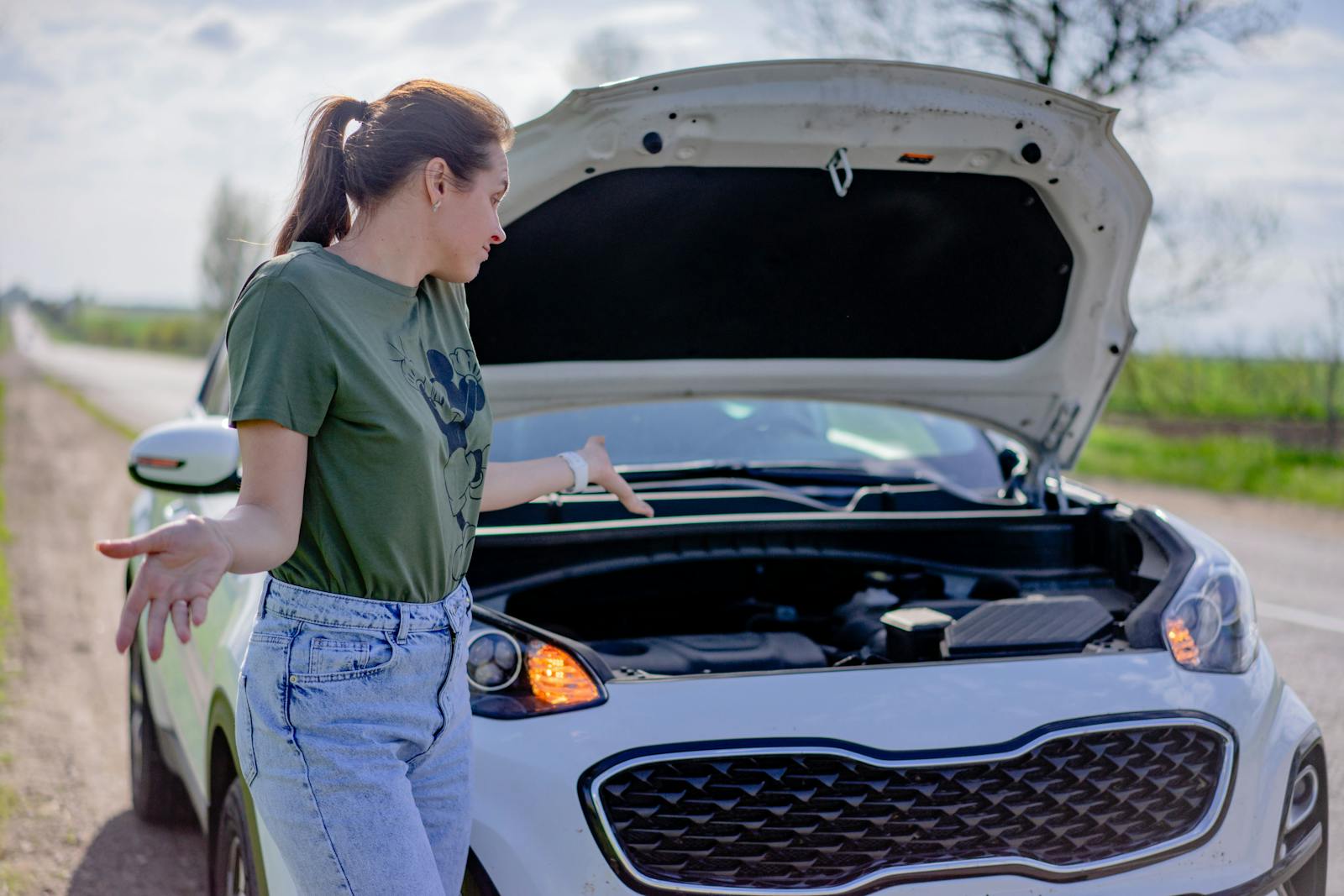

Car buyers are skipping the test drive and finding out the hard way that a glossy listing and a five-star review do not guarantee a livable daily driver. As more of the process moves to apps and browser tabs, people are wiring tens of thousands of dollars for vehicles they have never sat in, only to discover mechanical problems, miserable seats, or tech they hate once the car is in their driveway. The convenience is real, but so are the disasters that follow when the first real “test” happens after the money is gone.
What is changing is not just where people shop, but how quickly they are willing to commit, and how little real-world information they demand before signing. The result is a growing gap between the car buyers think they are getting and the one they actually have to live with, repair, and eventually resell.
The quiet boom in sight-unseen car deals

Online platforms have made it incredibly easy to buy a car with a few taps, and shoppers are taking that shortcut. A recent study found that more people are now completing purchases online and skipping any in-person test drive or inspection first, treating a vehicle more like a mail-order gadget than a complex machine. The pitch is seductive: transparent pricing, home delivery, and no awkward small talk with a salesperson. For buyers juggling work, kids, and brutal commutes, the idea of skipping the dealership entirely feels like a win.
Underneath that convenience, though, the trust gap is still huge. Surveys of shoppers show that recent buyers who completed everything in person, at 20%, still far outnumber those who went fully digital, at 6%, and that split reflects how wary people remain about big online purchases. Even so, the same research notes that digital and in-person experiences are converging, with more shoppers bouncing between websites and showrooms and reporting strong emotional responses to the process. The trouble starts when that emotion is impatience, and the buyer decides to trust the photos instead of their own senses.
Why people are skipping the test drive anyway
For a lot of shoppers, skipping the test drive is not about bravery, it is about burnout. The modern car market is expensive and confusing, and experts warn that affordability may be the biggest challenge as new and used cars alike stay pricey. When every payment quote looks painful, buyers feel pressure to grab what they can afford before it disappears, especially if a dealer hints that someone else is “coming to see it this afternoon.” That scarcity pitch, layered on top of high prices, nudges people to lock in a deal from their couch instead of taking time to drive across town.
There is also a growing belief that research can replace experience. Shoppers scroll through spec sheets, binge YouTube reviews, and compare trim levels until they feel like experts. Some even watch videos warning that 2026 is not a normal car-buying year and that buyers are losing thousands to marketing lies and sponsored reviews, then still trust those same polished clips over their own instincts. Add in the hassle of arranging childcare, taking time off work, or driving to a distant seller, and it is easy to see why people convince themselves that a test drive is optional “if the car checks out on paper.”
The harsh reality when the first drive comes after delivery
Once the car is dropped off, the fantasy ends. Owners who never drove the vehicle before buying quickly discover that the ride is harsher than expected, the seats trigger back pain, or the cabin noise is exhausting on the highway. Analysts who have looked at buyer satisfaction report that a Study found 40% of new car buyers have regrets, and while not all of that is about skipping test drives, comfort and usability rank high on the list of complaints. A car can look perfect in photos and still feel completely wrong once someone spends an hour in the driver’s seat.
Mechanical surprises are even more brutal. One consumer advocate put it bluntly, saying that Buying a car without a test drive is really kind of a big mistake, and that buyers are inevitably going to be unhappy with certain aspects of the vehicle. When those aspects include transmission shudder, brake vibration, or a steering pull that makes the car feel unsafe, the “unhappy” part quickly turns into a fight to get money back or force repairs. At that point, the buyer is not just frustrated, they are stuck navigating return policies and lemon laws instead of simply walking away from a bad test drive.
How skipping the drive hides serious mechanical problems
Even a short spin around the block can reveal issues that photos and inspection reports gloss over. Technicians warn that long-term inactivity can quietly damage a vehicle, and that Impact of Long Term Inactivity on a Car’s Components can include flat-spotted tires, seized brakes, and brittle seals. A brief test drive is often the only way to feel a warped rotor through the pedal or hear a wheel bearing that is starting to howl. When a car has been sitting on a back lot or in a private seller’s driveway, that first drive is less a formality and more a health check.
Visual inspections have limits too. Used-car specialists point out that some of the ugliest problems, like internal engine sludge or coolant contamination, often do not show up during a quick glance under the hood. They note that these problems often do not show up during a quick test drive either, but that a careful look at the coolant reservoir or oil cap can reveal a spot of trouble that a buyer would otherwise miss. When shoppers skip both the drive and a proper inspection, they are effectively buying a mystery box with a four-figure repair bill hiding inside.
The comfort and usability issues no spec sheet can show
Beyond mechanical health, the test drive is the only honest way to find out if a car fits a person’s body and habits. Sales professionals remind shoppers that they can do all the research they want online and take whatever time they need to examine a vehicle on the lot, but that they still will not know how it feels until they You sit in the driver’s seat and drive it. Seat bolstering, pedal placement, and visibility around thick roof pillars can turn a highly rated SUV into a daily headache for a specific driver. No amount of scrolling through interior photos can replicate the moment someone realizes they cannot see past the massive rear headrests.
Online, a car might look like the perfect match. Insurance experts warn that a car might look great on paper, but that skipping the test drive can lead to unexpected dissatisfaction once the owner lives with the vehicle. Infotainment systems that reviewers praise can feel clunky or distracting in real traffic, and driver-assistance alerts that sound helpful in marketing copy can become an annoying chorus of beeps. Those are not defects a warranty can fix, but they are exactly the kind of issues a 20 minute drive would expose.
When online protections help, and when they really do not
Some buyers take comfort in the idea that distance selling rules will save them if the car is a dud. Consumer advisers note that, Answered by Andrew Brady, Provided you do not visit the dealer during the process, you can be covered by distance selling regulations that allow a cooling-off period. That sounds reassuring, but the fine print matters: buyers may be on the hook for collection fees, mileage charges, or disputes over what counts as “misdescribed.” Returning a car is not like dropping a pair of shoes back at a mall store.
Online-focused retailers try to bridge that gap with their own guarantees. Some tell shoppers that, unless they are buying from a reputable online dealer with a money back guarantee, they should never skip a test drive because of the risk of hidden damage or undisclosed wear and tear. Even with those policies, buyers still have to spot the problem, argue their case, and live without a car while the return is processed. The safety net exists, but it is not nearly as comfortable as simply refusing to buy a vehicle that feels wrong on a test drive.
The psychology of regret and why people ignore red flags
Regret is baked into modern car buying, and the numbers show it. The same research that found 40% of new car buyers have regrets also reported that many wish they had chosen a different model, negotiated harder, or waited for a better deal, with the sense of missing out on a better price placing high among the reasons. That New Car Buyers pattern helps explain why shoppers talk themselves into skipping the test drive: they are so focused on not losing the deal that they ignore the risk of hating the car.
Trust is another weak spot. One survey found that Only 6% of respondents find the car-buying process completely transparent, which means most people walk in expecting to be misled at some point. That cynicism can backfire online, where slick interfaces and friendly chatbots feel more trustworthy than a human salesperson. Shoppers who would never take a stranger’s word in a parking lot will happily accept a seller’s claim that a car is “perfect” if it is written in a clean font next to a high-resolution photo gallery.
Why inspections still matter, even in a digital-first world
Professional inspections remain one of the strongest defenses against disaster, yet they are often skipped for the same reasons as test drives: time, cost, and overconfidence. Analysts who look at used-car pitfalls note that some folks skip inspections because they are in a rush, they trust the seller, or they assume a clean history report is enough, and they warn that this mindset is Why Some Still Skip Inspections Risky. When a seller resists the idea of an independent mechanic looking at the car, that resistance is a red flag in itself, yet buyers who are already emotionally committed to the deal often wave it away.
Extended warranty providers and consumer advocates are blunt about the stakes. One warns that Buying a car without test driving it could end up being a costly mistake, and that in the worst-case scenario, the vehicle might be unsafe or unreliable to drive. That is not just about catastrophic failures like blown engines. It includes chronic electrical gremlins, water leaks, and worn suspension parts that turn every commute into a guessing game. A pre-purchase inspection, paired with a real test drive, is still the cheapest insurance policy most buyers will ever skip.
How to use online tools without becoming the next horror story
Online shopping is not the villain here, it is how people use it. Experts on digital car buying stress that the smartest approach is to combine the best of both worlds: use websites to compare prices, check incentives, and narrow down options, then insist on a real-world drive before signing. Some even suggest that buyers treat the test drive as a structured checklist, paying attention to cold starts, brake feel, alignment, and how the transmission behaves in stop and go traffic, rather than just taking a quick spin around the block to see if the stereo sounds good. That mindset turns the drive from a formality into a serious evaluation.
There are also ways to push back on the pressure to rush. Shoppers can ask dealers to hold a car with a small refundable deposit, schedule test drives during off-peak hours, or bring a friend who is less emotionally invested to help spot issues. Industry guides on online buying remind people that, unless they are working with a seller that offers a clear money back guarantee, skipping the test drive is essentially betting thousands of dollars on faith. Used wisely, digital tools can make the process smoother and more transparent, but they cannot replace the simple act of feeling how a car behaves on real pavement.
More from Wilder Media Group: