
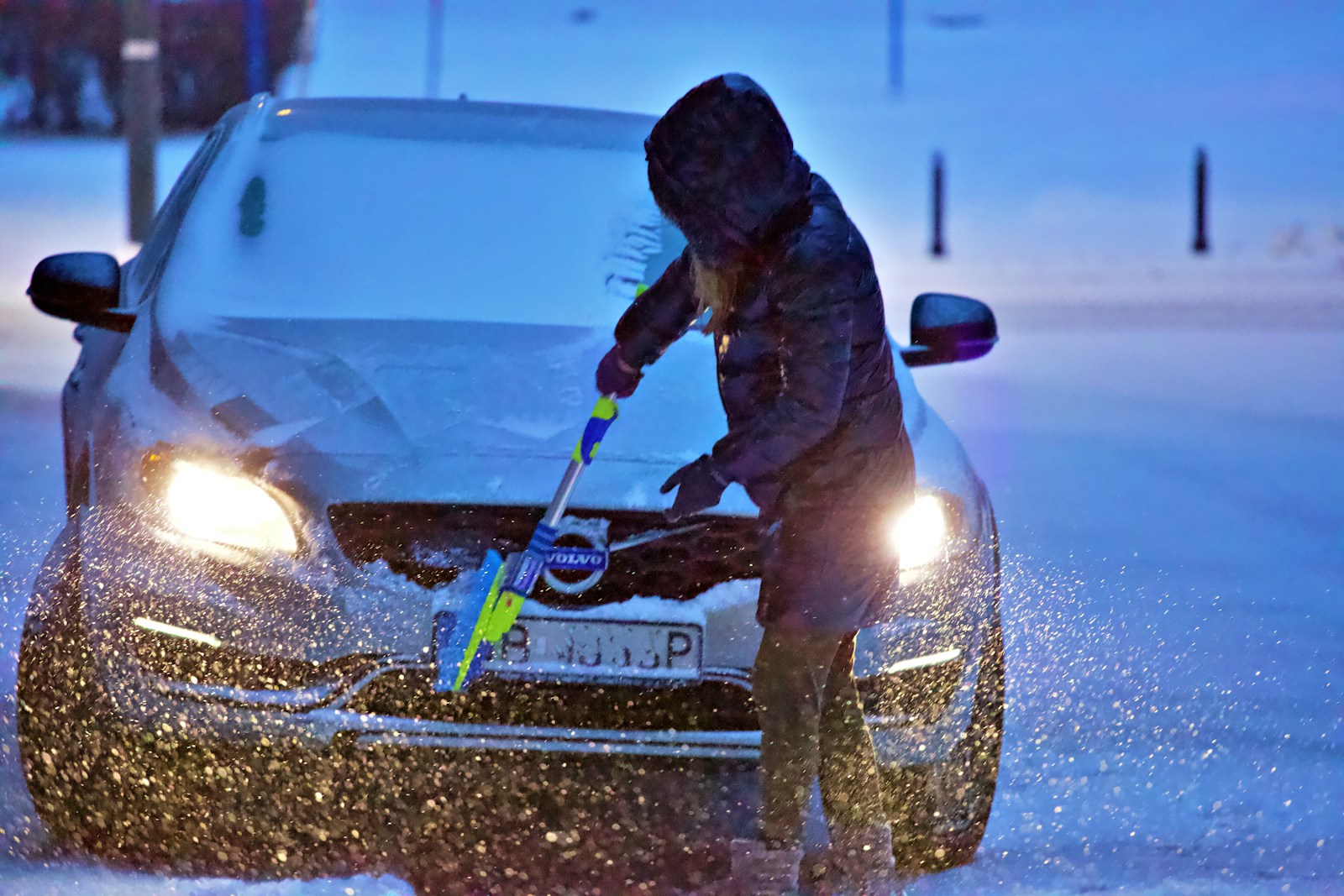

Freezing rain turns roads into invisible skating rinks, and even confident drivers can find themselves sliding through intersections or stuck on a slight hill. Before the first drop hits and instantly turns to ice, a quick but focused check of the car can be the difference between a tense but controlled trip and a call to a tow truck. The goal is simple: stack the odds in the driver’s favor by making sure the vehicle can grip, see, start and stop when the pavement is coated in glassy ice.
Instead of a full-on mechanic’s inspection, this is about seven targeted checks anyone can handle in a driveway or parking lot. Each one tackles a weak point that freezing rain loves to expose, from worn tires to tired wiper blades. Taken together, they turn a regular commute into something a lot more manageable when the forecast calls for ice pellets and slick streets.
1. Understand why freezing rain is different
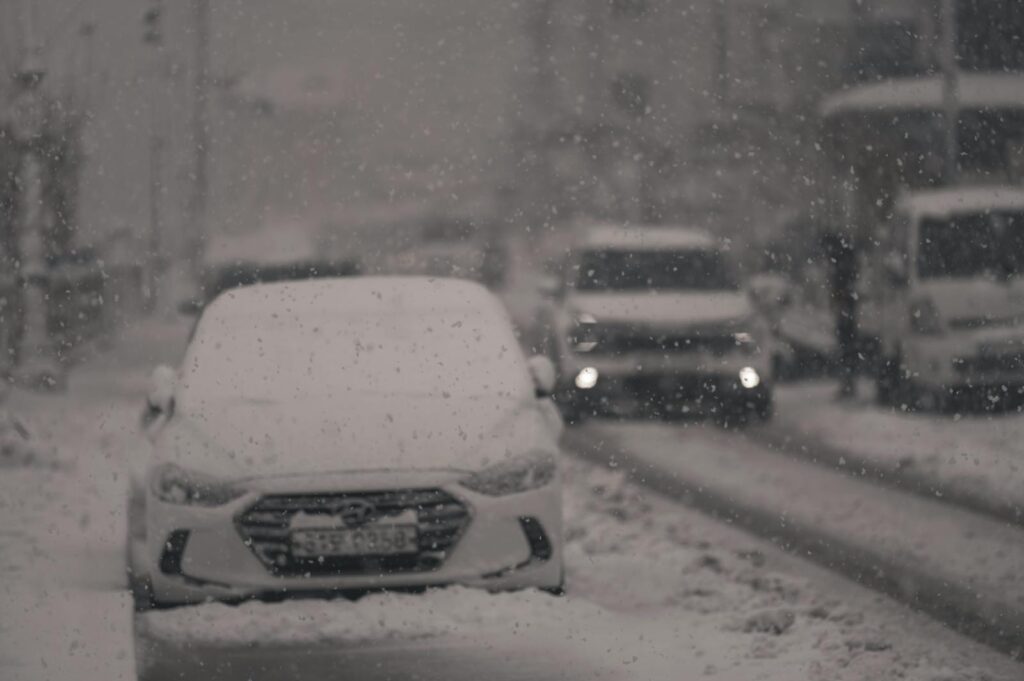
Before touching a tire gauge or popping the hood, it helps to know what makes this kind of storm so nasty. Freezing rain is typically considered the most dangerous winter precipitation event for drivers because it falls as liquid, then instantly turns to ice on contact with cold surfaces. The result is a thin, nearly invisible glaze that looks like wet pavement but behaves like polished glass, similar to classic black ice. When that slick layer builds up, even slow speeds can be enough to send a car sliding straight ahead when the driver expects it to turn or stop.
That invisible coating is not just a traction problem, it is a visibility and control problem too. A thin sheet of ice can lock wiper blades to the windshield, freeze door seals and cover headlights in a clear shell that scatters light instead of projecting it. Road safety guidance notes that Freezing Rain creates a thin layer of ice on the road surface that is difficult to detect and navigate, which is why drivers are urged to winterize their vehicle and keep it fuelled, cleaned off and stocked with an emergency kit before storms hit.
2. Tires: your first line of defense on ice
When the road is coated in ice, the only thing standing between the car and a slow slide into the curb is four handprint-sized patches of rubber. That is why winter checklists put Tire condition right at the top, treating it as a core part of Your New Year Car Care Checklist. Specialized winter tires, like the ones many drivers fit on Subaru Outbacks or Toyota RAV4s, use softer rubber and aggressive tread to bite into slush and packed snow, but even all-season tires can perform reasonably if they are in good shape. The key is making sure tread is deep enough to channel away slush and that the rubber is not cracked or hardened from age.
Cold air also saps pressure, which quietly erodes grip just when it is needed most. One winter maintenance guide calls Tires Your First Line of Defense on Snow and Ice and urges drivers to Measure Tread Depth because Worn rubber cannot move snow and slush out of the way. Another set of TIPS FOR PREPARING VEHICLES FOR WINTER WEATHER stresses that tires should have good tread for adequate traction and be properly inflated, noting that every 10 degree drop can cost about one pound of air pressure, which is why experts tell drivers to Make certain tread and pressure are dialed in before a storm.
3. Brakes, steering and traction control
On ice, the car’s electronic helpers only work as well as the mechanical parts behind them. Anti-lock braking systems and stability control can pulse the brakes and cut engine power, but if pads are worn thin or rotors are badly grooved, stopping distances will still stretch out. Winter prep lists that tell drivers to Follow the vehicle manufacturer’s maintenance schedule are really about making sure those core systems are ready before the first icy commute, not after a close call.
Steering feel is another early warning sign that something is off. A winter guide that labels Off-Center Steering as a red flag notes that if the wheel has to be held at an angle to go straight, or if the car pulls to one side, there may be an alignment or suspension issue that will get worse on slick roads. When the pavement is icy, any pull or wobble can turn into a sideways slide, so drivers are urged to treat those symptoms as a reason to get the car checked before they are trying to correct a skid in traffic.
4. Battery, fluids and engine health
Freezing rain often arrives with a sharp temperature drop, and cold is brutal on weak batteries and sluggish fluids. Winter prep advice repeatedly tells drivers to Service the vehicle and do a maintenance inspection that includes engine oil, antifreeze and other key fluids, because cold weather thickens oil and makes engines harder to crank. Another checklist framed as Get Your Vehicle Ready for the Cold spells out that drivers should Check the Oil, noting that Obviously these are essential for keeping the engine lubricated and preventing overheating or freeze damage.
Electrical health matters just as much. A winter road trip guide that lists Essential Vehicle Checks Before You Travel highlights Battery Health, pointing out that Cold weather reduces battery power at the same time the vehicle demands more energy for cranking and running heaters and defrosters. Another winter storm advisory urges drivers to Have the battery checked by a professional and replaced on-site if necessary, bundling that advice with reminders to Keep your gas at least half full to avoid gas line freeze up when temperatures plunge.
5. Wipers, defrosters and visibility
In freezing rain, seeing clearly is half the battle, and that starts long before the driver hits the wiper stalk. Winter prep lists that treat Your New Year Car Care Checklist as a way to start the season strong specifically call out a Heating & Defrost System Test, reminding drivers that the defroster has to be able to push warm, dry air across the glass to melt ice and clear fog. That same guidance from New Year Car also ties in basic checks of vents and cabin filters so the system is not fighting clogged airflow when the windshield is icing over.
Wiper blades and washer fluid are the other half of the equation. Winter storm advice that asks drivers if their car is ready for cold weather stresses that a Few Precautions will help Prevent Winter Breakdowns, including topping up washer fluid that resists freezing and making sure blades are not streaking or chattering. Another set of TIPS FOR PREPARING VEHICLES FOR WINTER WEATHER spells it out even more clearly, urging drivers to Ensure that windshield wiper blades are in good condition and that washer fluid that resists freezing is used, because a frozen nozzle or smeared windshield can turn a manageable drive into a white-knuckle crawl.
6. Fuel level, de-icing prep and where you park
Freezing rain is notorious for stranding traffic, so heading out with a nearly empty tank is asking for trouble. Winter driving safety tips repeatedly tell motorists to Keep your gas close to full in case they get stuck in a traffic jam or in the snow and need more fuel to run the engine and heater. Another winter safety guide from a national organization echoes that advice, recommending that drivers keep the tank at least half full to avoid gas line freeze and listing that step alongside other Few Precautions that can Prevent Winter Breakdowns when temperatures drop.
Where the car sits during the storm matters too. Ahead of an ice event, drivers are urged to Park in a safe spot and Choose a parking location away from trees or power lines that could drop branches or ice chunks onto the vehicle. Another ice storm readiness guide notes that Having a basic emergency plan includes giving Your vehicle special attention when icy conditions are in the forecast, and it specifically reminds drivers to Check windshield wipers, tire pressure and battery condition before the storm hits so the car is ready to move once the ice starts to melt.
7. Lights, glass and exterior checks
On a dark, icy evening, other drivers need to see the car long before they reach it, which is why lighting checks are a staple of winter prep. One winter driving Checklist tells drivers to Follow the manufacturer’s maintenance recommendations and to inspect the exterior and interior lights so headlights, brake lamps and turn signals are all working. Another set of winter weather TIPS FOR PREPARING VEHICLES FOR WINTER WEATHER reinforces that message, urging motorists to Make sure all lights, including headlights and taillights, are functioning so the vehicle can be seen in bad weather conditions, advice that becomes even more critical when freezing rain is scattering light off every icy surface.
Glass deserves the same attention. Ahead of a storm, drivers are encouraged to clean the windshield and windows thoroughly, then apply a water-repelling treatment if they use one, so ice has a harder time bonding. Guidance on how to prepare a car so de-icing is easier specifically tells drivers to Choose a parking spot that limits ice buildup and to lift wiper blades off the glass so they do not freeze in place. Combined with a solid defroster and fresh washer fluid, those small steps can turn a 20 minute scraping session into a quick brush and go when the freezing rain finally stops.
8. Emergency kit and “what if I get stuck” planning
Even with a perfectly prepared car, freezing rain can still turn a short drive into an unplanned overnight in a parking lot or on the shoulder. That is why winter storm guides talk about Winterizing the vehicle and planning ahead with a winter checklist for vehicles that includes more than just mechanical checks. One such guide urges drivers to Winterizing their car with items like blankets, non perishable snacks and a small shovel, alongside reminders to Check tire condition and keep fluids topped up. Another ice storm readiness piece underlines that Having a basic emergency plan can make a stressful situation more manageable, especially when Your vehicle requires special attention in icy conditions.
Power is a big part of that plan. A winter prep post that walks through how to get ready before snow, ice and freezing temperatures hit tells drivers to keep a set of Jumper cables in the car to jump start the battery or help someone else who may be stranded, and it pairs that with a reminder to Keep Your Fuel Tank Full during snowy or icy conditions. Another consumer safety segment that opens with the Beginning of dialog window and closes with the End of dialog window warns about Dead batteries, slick roads and accidents, and it adds a specific tip to Prevent fuel line by keeping the tank at least half full so the car can idle safely if the driver is stuck on ice waiting for help.
More from Wilder Media Group: