
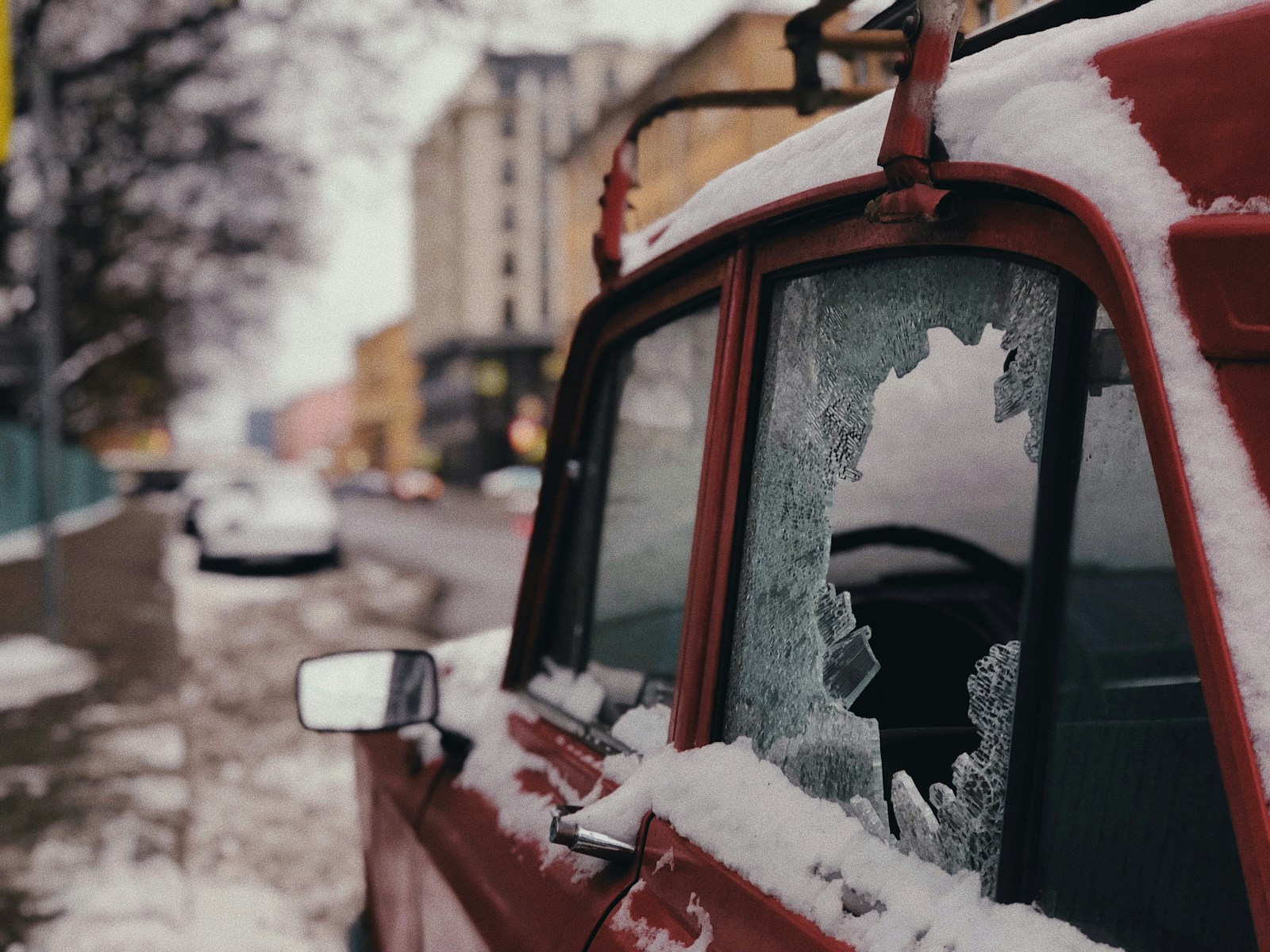

When a winter storm turns a daily commute into an ice sculpture exhibit, a frozen car door can feel like the final insult. Yanking on the handle is tempting, but it is also one of the fastest ways to snap plastic, tear weatherstripping, or crack glass. With a little patience and the right tricks, drivers can get into a frozen car without breaking anything and even cut down the odds of facing the same problem on the next cold morning.
The key is to treat the ice like a stuck jar lid, not a gym workout. Gentle pressure, smart use of de-icers, and a few low-tech tools can free the seal while keeping paint, locks, and rubber intact. From understanding why doors freeze in the first place to simple night-before habits, there are practical steps that work whether someone drives a 2010 Honda Civic or a brand-new electric SUV.
Why car doors actually freeze shut
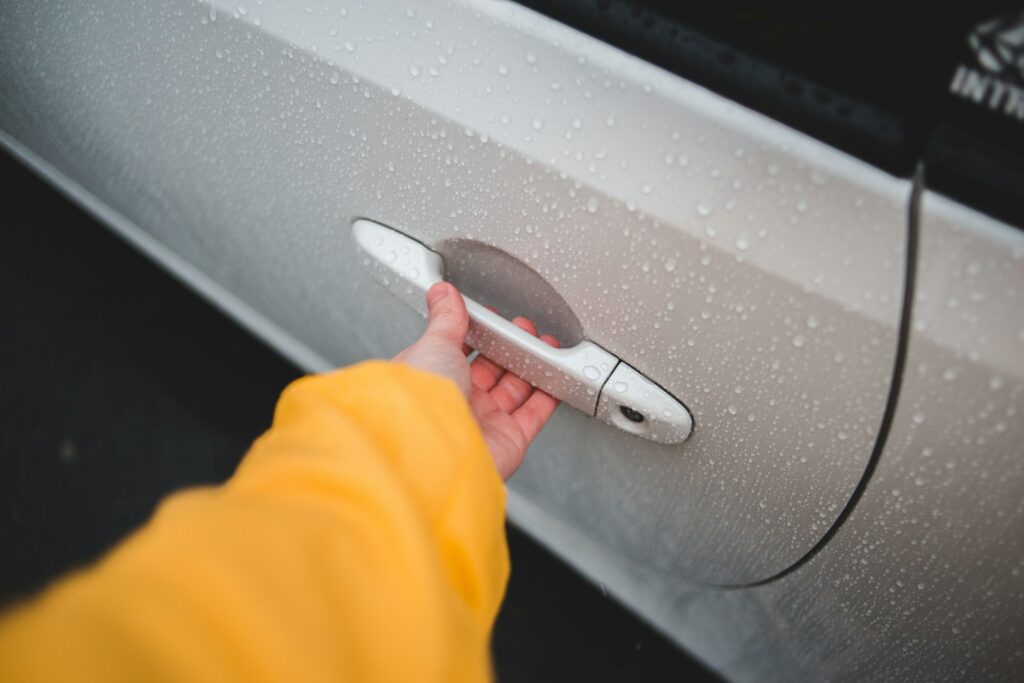
Most frozen doors are not a mystery of bad luck, they are the predictable result of moisture sneaking into the wrong places and then turning solid. Water from rain, sleet, or melting snow collects around the door frame, in the seams, and inside the rubber weatherstripping. When temperatures drop, that thin film of Moisture hardens and glues the rubber to the metal. The same thing happens inside key cylinders and latches, where tiny amounts of water can freeze into a plug that blocks movement.
That is why some mornings one door is welded shut while another opens with only a little crunching sound. Slight differences in how the car is parked, how tightly the seal sits, or where slush splashed the day before can decide which side locks up. Reporting on Why Car Doors notes that seams around the frame and the locks themselves are prime spots for this ice bond to form, which is why prevention focuses so heavily on keeping those areas dry and protected.
First move: stop pulling and size up the ice
The worst instinct on a bitter morning is also the most common: grab the handle and haul on it until something gives. Modern door handles, especially on compact crossovers and older sedans, are not built for that kind of force. Guidance on safe ways to release a frozen door stresses that rushing in with brute strength is a quick route to cracked plastic and torn seals. The smarter first step is to pause, look at where the ice is, and decide whether the problem is the outer seal, the latch, or the lock.
That quick inspection also helps someone decide which tools to grab. If the glass is clear but the rubber edge is shiny with frost, the seal is the main culprit. If the key will not turn or go in all the way, the lock cylinder is frozen instead. Advice on What to do first when a car door is frozen emphasizes starting with gentle tests instead of tools, because even scraping in the wrong spot can slice soft rubber that is already stiff from the cold.
Push, do not yank: how to break the ice seal safely
Once it is clear the seal is stuck, the basic rule is to push the door inward to crack the ice instead of yanking it outward. Guidance that focuses on how to Gently Break The recommends leaning body weight against the door in short, firm pulses. That inward pressure flexes the rubber just enough to fracture the ice bond without stressing the handle or hinges. It is the same idea as popping a stuck jar lid by tapping it, not twisting harder.
Once a small section of the seal has popped free, the driver can work around the frame, pressing near the top, bottom, and latch side until the entire edge loosens. Advice pulled Instead of yanking suggests avoiding constant pressure in one spot, which can dent thin door skins, and instead using steady, even pushes. Only after the seal has clearly separated should anyone try the handle, and even then, it should be a smooth pull, not a desperate tug.
Smart tools: de-icer sprays, keys, and DIY mixes
When the ice is stubborn, chemistry can do the heavy lifting. Commercial de-icer sprays are designed to melt frozen locks and seals quickly, and guidance on using a De-icer for locks notes that these products can free a frozen cylinder in seconds. For cars that still use metal keys, another option is to gently warm the key with a lighter, then slide it into the lock so the heat transfers to the ice. Advice on how to Heat Your Key stresses keeping the flame on the metal, not near plastic fobs or paint.
For the door edges, some drivers mix their own solution with rubbing alcohol and water, which lowers the freezing point and helps melt the bond. Guidance on how You can mix rubbing alcohol warns against using very high concentrations that can be harsh on finishes, and suggests sticking with products under 90 percent. Professional tips on How to unfreeze a car door also caution against pouring hot water on glass or paint, since the sudden temperature change can crack a windshield or damage clear coat.
Heat and patience: using the car’s own warmth
If one door is frozen but another is only partly stuck, sometimes the best move is to walk around and try a different entry point. Once someone manages to get into the cabin, they can start the engine, turn on the defroster, and let the car do some of the work. Advice on How to unfreeze a car door notes that gentle, even heat is far safer than shock tactics like boiling water, which have been caught on video shattering frozen windshields.
While the interior warms up, the driver can keep working the outside seal with light pressure. Guidance on How to Unfreeze door suggests alternating between pressing on the door and gently trying the handle every few minutes as the heat softens the ice. For cars with remote start, this process can begin before anyone even steps outside, which is especially helpful when freezing rain has coated the entire vehicle overnight.
What not to do: hot water, metal scrapers, and other bad ideas
Social media is full of dramatic fixes that look satisfying on camera and expensive in real life. Pouring boiling water over a frozen door or windshield is one of the worst offenders, because the rapid expansion of cold glass can cause it to crack. Reports on the risks of hot water around frozen doors and windows describe people shattering their own windshields in seconds, all in the name of saving a few minutes. Professional advice on Jan notes that even very hot tap water can refreeze quickly on the ground, turning the area around the car into a skating rink.
Metal tools are another shortcut that tends to backfire. Using a flathead screwdriver or a metal putty knife to pry at the seal can slice into the rubber, which then lets in even more water the next time it snows. Guidance on Before reaching for tools warns that cold rubber is especially easy to tear. Even aggressive scraping with a hard plastic ice scraper along the door edge can chew up paint, which then rusts faster in salted winter slush.
Once it opens: drying, cleaning, and stopping refreeze
Getting the door open is only half the job. If the seals and jambs stay wet, the same moisture will freeze again as soon as the car cools down. Practical advice on Preventing refreezing suggests using a rag to wipe down the rubber seals and the metal contact points around the frame as soon as the door is open. That quick towel-off removes the thin layer of water that would otherwise turn back into a glue line.
After drying, it helps to treat the rubber with a protective product so it stays flexible and less likely to bond to the metal. Guidance on using Night before prevention notes that silicone spray and dedicated rubber seal conditioners work well, and even a light coating of cooking spray can help in a pinch. The same advice on Prevention That Works recommends wiping the door jambs and rubber weatherstrips dry with a clean microfiber cloth before applying any treatment, so the product bonds to the material instead of trapping water underneath.
Night-before moves that keep doors from freezing
The easiest frozen door to deal with is the one that never locks up in the first place. Simple habits the night before a storm can dramatically cut down on morning frustration. Advice that lists Below the easiest ways to prevent frozen doors starts with parking strategy. If there is any choice, it is better to park under a carport, next to a building, or at least out of the direct path of wind-driven sleet. Guidance that urges drivers to Park Smart to Reduce Exposure to Ice notes that even a small overhang or hedge can make the difference between a light frost and a solid sheet of ice.
Beyond parking, a few minutes with a towel and spray can pay off all week. Advice on how to Wipe the door jambs and Treat the rubber seals recommends drying those surfaces at the end of the day and then applying a thin coat of silicone or rubber conditioner. Broader guidance on Keeping Doors from Freezing Shut also suggests avoiding parking where melting snow from a roof or tree will drip directly onto the car overnight, since that constant trickle of water is exactly what seeps into locks and seals before freezing solid.
Extra protection for locks, windows, and repeat trouble spots
Some parts of a car are simply more vulnerable than others, especially older locks and worn seals. For key cylinders, one low-tech trick is to cover them before the temperature drops. Advice on how to Place a magnet over the lock overnight notes that this simple step keeps water out of the keyhole entirely. Guidance on How To Prevent also suggests alternatives like using tape or a small cover if a magnet is not available, as long as the material can be removed cleanly in the morning.
Windows and sliding seals deserve attention too, especially on vehicles with frameless doors like some Subaru and BMW coupes. Broader tips on Freezing Shut problems recommend avoiding rolling windows down in freezing rain, since water can collect in the channels and then lock the glass in place. For doors that seem to freeze every storm, advice on Frozen Shut doors suggests inspecting the rubber for gaps or cracks and replacing the seals if needed, because once the material is damaged, no amount of spray will fully stop water from getting in.
More from Wilder Media Group: