
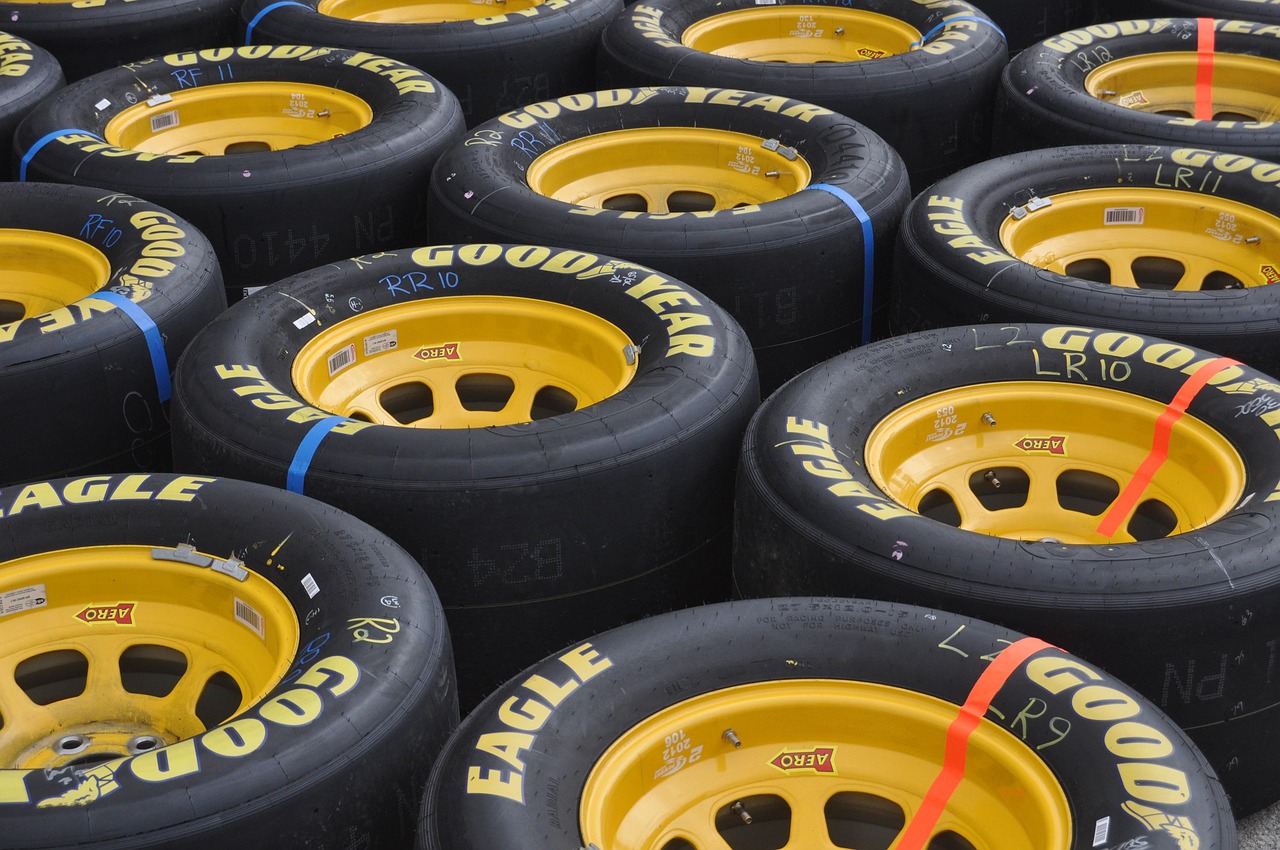

Consumer Reports just shook up the tire world, and the big headline is simple enough: the happiest drivers are not rolling on Goodyear rubber. A fresh satisfaction study puts a different name at the top of the heap, and it is a brand that has quietly been stacking up test wins for years. For shoppers who usually default to the biggest logo on the rack, the new ranking is a nudge to slow down, read the fine print, and maybe rethink what “good” really means in a tire.
Behind that new number one spot is a mix of long term performance, owner loyalty, and how well tires match the way people actually drive. The shift also exposes where Goodyear is falling short for everyday drivers, even if some of its products still test well on paper. Put together, the data offers a rare, detailed look at which brands are delighting owners and which ones are just getting them from A to B.
How Consumer Reports Measures Tire Happiness
Before crowning any brand, Consumer Reports leans on a pretty unglamorous but powerful idea: ask owners how they feel after living with their tires for a while, then cross check that with controlled testing. The satisfaction scores that pushed one brand to the top come from real drivers reporting how their tires ride, how they handle bad weather, how noisy they are on the highway, and whether they feel like they got their money’s worth. Those owner impressions are then stacked against braking distances, handling tests, and tread life measurements gathered on test tracks, so the “most satisfying” label reflects both lab style data and daily grind reality.
That is why the new ranking matters more than a one off comparison test. When a brand rises to the top of a satisfaction list built on thousands of owner reports, it signals that the company is delivering consistent quality across different models and vehicle types, not just one hero product. The same methodology also makes it painfully obvious when a big name like Goodyear is missing the mark in certain categories, because low owner scores for specific segments, such as summer tires, drag down the overall picture even if some all season or truck lines still perform well in instrumented testing, as highlighted in the recent Consumer Reports study.
Michelin’s Big Win At The Top Of The Rankings
The brand sitting in that coveted “most satisfying” spot is Michelin, and it did not get there by accident. In the latest scoring, Michelin stands at the top with a score of 72 on a, a number that reflects both test track performance and how content owners are after thousands of miles. All eight tested models from the brand earn a Consumer Reports recommendation, which is a rare clean sweep and a strong hint that drivers are getting a similar experience whether they are in a compact hatchback or a three row SUV.
That top line score is backed up by a long track record. Earlier testing of all weather products noted that Michelin has built a reputation for strong grip and long tread life without always demanding the highest price on the shelf. That combination of performance and perceived value is exactly what tends to drive satisfaction scores up, because owners feel like they are getting both safety and longevity for the money instead of trading one for the other.
From “Best Brand” To “Most Satisfying”
Michelin’s new status as the most satisfying tire brand is really the latest chapter in a longer story. Earlier testing already handed the company the titles of Best Tire Brand for its all weather offerings, crediting a long record of consistent quality. That kind of double win is rare in any product category, and it set the stage for the broader satisfaction survey to confirm what many owners already suspected: the brand is not just good in one niche, it is strong across the board.
More recently, the broader brand comparison that put Michelin at 72 out of also highlighted how rare it is for All of a company’s tested models to earn a recommendation from Consumer Reports. That kind of across the lineup strength is what turns a “best brand” label into a “most satisfying” one, because it means a driver can walk into a tire shop, ask for Michelin, and have a very high chance of walking out with something that feels as good on the road as it looks on the spec sheet.
Why Goodyear Lost Its Grip On The Top Spot
Goodyear is still one of the most recognizable names in the tire business, but the latest satisfaction data shows that brand familiarity is not the same thing as owner happiness. According to a recent study, According to Consumer Reports, Goodyear posted low satisfaction results for its summer tires, a segment where drivers expect sharp handling and confident wet grip. When owners feel like they are giving up comfort or durability for that performance, or not getting the performance they were promised, their survey answers reflect it.
The slide is not portrayed as a total collapse so much as a mismatch between what Goodyear is building and what drivers say they want. Reporting on Why Goodyear slipped points to owners who are increasingly focused on quiet rides, long tread life, and all weather confidence, not just peak dry grip. When a rival like Michelin is delivering that balance more consistently, it is not surprising to see Goodyear’s overall satisfaction ranking drift downward even if some of its individual models still test well.
What The Satisfaction Scores Actually Tell Drivers
For shoppers, the most useful part of the new rankings is not the bragging rights, it is the way they translate into real world expectations. A brand that tops the satisfaction list is one where owners report fewer surprises: fewer early replacements, fewer scary moments in the rain, fewer complaints about noise or ride harshness on long highway drives. When Consumer Reports notes that Michelin Tires earned the highest rating on its satisfaction list, that is shorthand for a lot of small, positive experiences that add up over years of ownership.
The flip side is just as important. The same survey work that identifies the happiest owners also flags the brands and specific segments with the lowest satisfaction, which can be a quiet warning sign for anyone shopping on price alone. A separate breakdown of the least liked brands notes that while some companies can still shine in narrow niches, their overall satisfaction scores lag because owners complain about tread life, winter traction, or value. That context helps explain why a driver who has always defaulted to Goodyear might want to look more closely at the data before buying another set, especially if they are considering summer or performance oriented models that have pulled down Goodyear’s Consumer Reports scores.
Snow, Summer, And All-Weather: Where Michelin Pulls Ahead
One reason Michelin has surged past Goodyear in satisfaction is that it is not just winning in one season. In the latest breakdown, Michelin took top honors among snow and summer tires, a rare double that shows up in both test results and owner feedback. Drivers running Michelin winters on everything from Subaru Outbacks to Ford F-150s report strong traction and predictable handling when the weather turns ugly, while those on Michelin summer rubber praise the grip without hammering the brand on noise or comfort.
The brand’s all weather lineup has also been singled out as some of the best all-weather options in the world, giving drivers in places with unpredictable climates a way to skip seasonal swaps without feeling like they are compromising safety. That versatility is a big part of why owners report such high satisfaction: whether they are commuting in a Honda CR-V or road tripping in a Toyota Sienna, they feel like the tires are ready for whatever the sky throws at them.
How Much The Top Brand Will Actually Cost You
All of this raises a practical question for anyone staring at a tire quote: what does it cost to buy into the most satisfying brand on the list. The answer is more nuanced than “expensive.” Some of Michelin’s all weather models, for example, have been highlighted at prices of about $144 per tire, which is not bargain basement but also not the nosebleed territory some drivers expect from a premium name. When owners report high satisfaction at that price point, it is often because the tires last long enough and perform well enough that the cost per mile feels fair.
That said, the brand does still command a premium in many sizes, and the satisfaction data does not magically erase budget constraints. What it does offer is a clearer sense of where spending a little more is likely to pay off. When a company like Michelin tops both performance tests and owner satisfaction charts, the odds are better that the extra money buys real world benefits instead of just a fancier sidewall logo.
What This Means If You Already Own Goodyears
For drivers already rolling on Goodyear tires, the new rankings are not a reason to panic, but they are a cue to pay attention. The satisfaction data points to specific weak spots, especially in summer products, rather than a blanket indictment of every Goodyear model. According to the latest breakdown, Consumer Reports found that Goodyear’s summer offerings in particular left owners less impressed, which is worth keeping in mind if you drive a performance sedan or sports coupe that leans on that category.
At the same time, Goodyear still has models that test well and keep owners reasonably happy, especially in more mainstream all season segments. The key takeaway is not that every Goodyear tire is suddenly a bad bet, but that the brand no longer enjoys automatic top tier status in the eyes of surveyed drivers. For anyone planning a replacement set, it is a smart move to look up the specific model’s satisfaction and test scores rather than assuming the Goodyear name alone guarantees the kind of experience that now has Goodyear looking up at Michelin in the rankings.
How To Use The New Rankings When You Shop
The most practical way to use the latest Consumer Reports tire rankings is as a filter, not a script. Start with the big picture: brands like Michelin that sit at the top of the satisfaction list are safer default choices, especially if you do not have time to obsess over every spec. From there, drill down into the specific category that matches your car and climate, whether that is all season touring tires for a Toyota Camry, all terrain rubber for a Jeep Wrangler, or dedicated winters for a Tesla Model 3, and compare the individual model scores within that short list of high satisfaction brands.
It also pays to keep an eye on the other end of the spectrum. The same reporting that highlights the most satisfying brands also identifies the companies with the lowest customer satisfaction, which is a polite way of saying owners were not thrilled with how those tires performed or held up. One recent breakdown of the lowest customer satisfaction scores makes it clear that chasing the cheapest set on the rack can backfire in the form of faster wear, weaker wet traction, or more noise than you bargained for. In a market where the difference between a top tier and bottom tier tire can be a few hundred dollars over the life of a set, the new satisfaction rankings are a reminder that, for something as critical as the four contact patches that keep a car on the road, paying for proven happiness is rarely a bad deal.
More from Wilder Media Group: