

When you think about the evolution of warfare, it’s hard not to focus on the machines that made history. From tanks to rifles, every piece of equipment has its own story, but today let’s chat about four military aircraft that didn’t just contribute to the battlefield—they transformed it. These flying marvels have left their mark, changing strategies and outcomes in ways that still ripple through military doctrine today. So, grab your favorite coffee mug, and let’s take a leisurely flight through time!
The Wright Flyer: The Dawn of Aviation
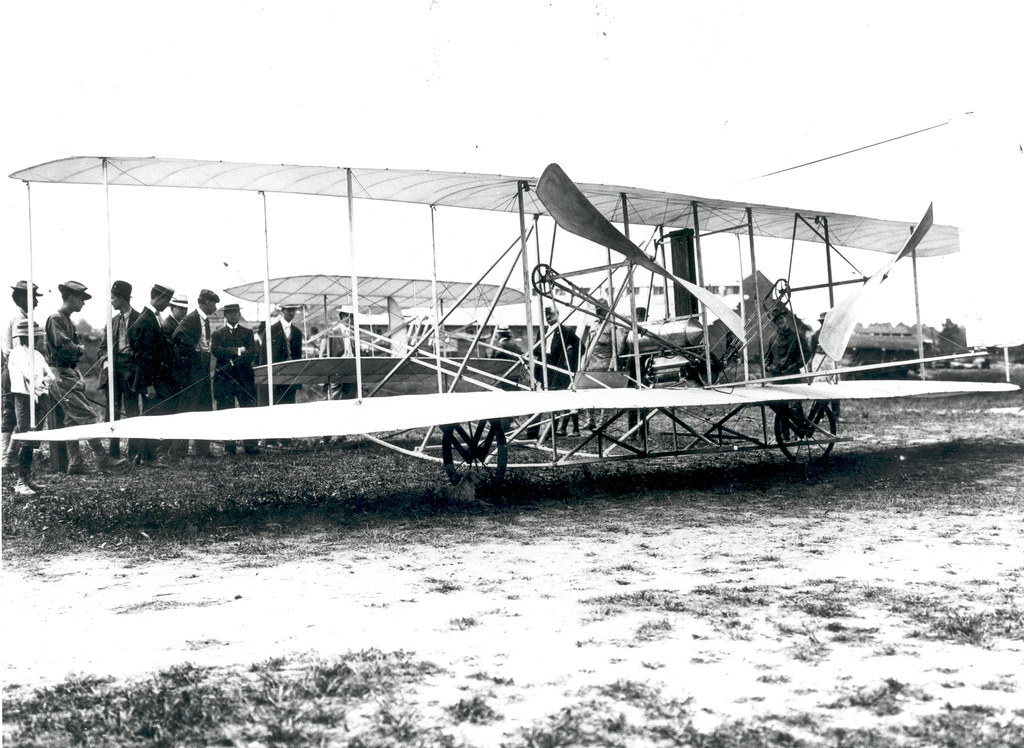
First up is a classic that started it all: the Wright Flyer. Now, I know what you might be thinking: “How could a wooden contraption from 1903 possibly change the course of warfare?” Well, it’s all about perspective. Before Orville and Wilbur Wright made their famous flight, the idea of powered flight was more science fiction than reality. But once they took to the skies, everything changed.
Fast forward a couple of decades, and we see aircraft evolving into vital tools for reconnaissance and combat. During World War I, planes became eyes in the sky, spotting enemy positions and relaying crucial information. The Flyer didn’t directly fight any wars, but it kicked off a revolution in aviation that would lead to the development of fighter planes and bombers that would dominate the skies in the years to come. Talk about laying the groundwork!
The Spitfire: The Guardian of Britain
Next on our list is the iconic Supermarine Spitfire. If you’ve ever seen a war movie, you’re probably familiar with this sleek beauty. During World War II, the Spitfire became synonymous with the Battle of Britain, where it played a critical role in defending the UK against the Luftwaffe’s relentless bombing raids. Picture this: a small, agile fighter zooming through the clouds, expertly dodging enemy fire while engaging in dogfights. It’s no wonder this aircraft became a symbol of hope and resilience.
What made the Spitfire truly special was its speed and maneuverability. It wasn’t just about brute force; it was about outsmarting the enemy. Pilots loved the feeling of control they had in the cockpit, often describing it as an extension of their own body. The Spitfire’s impact wasn’t just tactical; it lifted the spirits of a nation in peril, reminding everyone that they could fight back. Pretty inspiring, right?
The B-17 Flying Fortress: A Bomber’s Best Friend
Now, let’s shift gears and talk about the B-17 Flying Fortress. This heavy bomber wasn’t just named for its impressive firepower; it was a literal fortress in the sky. Introduced during World War II, the B-17 was designed for long-range missions, giving the Allies the ability to strike deep into enemy territory. You could say it was the ultimate “bring the fight to them” aircraft.
The B-17’s strategic bombing campaigns aimed to cripple Germany’s industrial capabilities, and boy, did it make an impact! Its ability to carry tons of bombs while withstanding enemy fire was revolutionary. Pilots felt a mix of fear and exhilaration every time they climbed aboard, knowing they were part of something much bigger than themselves. The aircraft played a crucial role in turning the tide of the war in favor of the Allies, proving that sometimes, a well-placed bomb can change everything.
The F-22 Raptor: The Modern Marvel
Last but definitely not least, let’s talk about the F-22 Raptor. If you think military aircraft couldn’t get any cooler, think again. This stealth fighter jet, introduced in the early 2000s, redefined air superiority. Its ability to evade radar detection and engage multiple targets simultaneously made it a game-changer on the modern battlefield.
The F-22 isn’t just about flashy technology; it’s about strategy. It allows for dominance in the skies without the enemy even knowing it’s there. You could say it’s like a ninja in the clouds—silent but deadly. The Raptor has been involved in various missions, showcasing its versatility from air-to-air combat to ground support. It’s a prime example of how military technology continues to evolve, pushing the boundaries of what’s possible in warfare.
Conclusion: The Legacy of Flight
So there you have it! Four military aircraft that changed the course of war, each in its own unique way. From the humble beginnings of the Wright Flyer to the cutting-edge technology of the F-22 Raptor, these planes have shaped military strategy and influenced the outcomes of conflicts throughout history. As we look to the future, who knows what other innovations will come to redefine warfare? One thing’s for sure—aircraft will continue to play a pivotal role in how battles are fought and won.
Next time you see a plane soaring overhead, take a moment to appreciate the incredible history behind those flying machines. They’re not just metal and engines; they’re symbols of human ingenuity and resilience, constantly pushing the limits of what we can achieve. Now, isn’t