

When it comes to aviation, some planes are more than just a means to get from point A to point B. They’re legends, icons that changed the way we think about flight and warfare. Imagine being a pilot in the cockpit of a machine that feels like it’s from the future—well, some of these warplanes were just that, decades ahead of their time. Let’s take a friendly stroll through the history books and meet five legendary aircraft that not only pushed the boundaries of what was possible but also left us dreaming about what aviation could become.
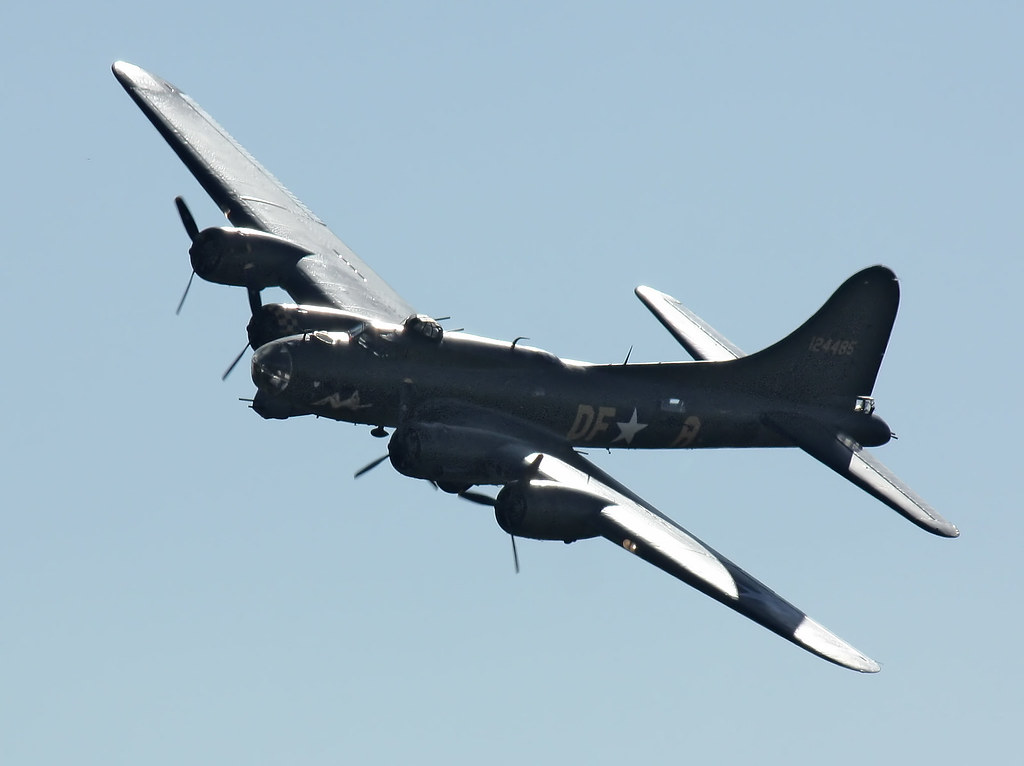
1. Boeing B-17 Flying Fortress
The B-17 Flying Fortress is like the granddaddy of heavy bombers, strutting around World War II with a swagger that’s hard to ignore. First flying in the late 1930s, this beauty had a maximum speed of around 300 miles per hour and could carry a staggering 8,000 pounds of bombs. What sets it apart, though, isn’t just its capacity to rain down destruction. The B-17 was also one of the first bombers with a fully enclosed cockpit and a tail turret, making it a tough nut to crack for enemy fighters.
Picture yourself in one of those cramped seats, surrounded by your crew, flying high above the clouds. The B-17 had a range of about 1,300 miles, which was impressive back then. Plus, its ruggedness and ability to sustain damage while still flying made it a symbol of hope and resilience for many during the war. It’s no wonder this plane earned its nickname—the Flying Fortress was a flying testament to engineering genius.
2. Messerschmitt Me 262
Now, let’s hop over to Germany and check out the Me 262, the world’s first operational jet-powered fighter. Can you imagine the surprise on Allied pilots’ faces when they first encountered this beauty? With speeds exceeding 500 miles per hour, it was like a scene right out of a sci-fi movie. Developed during World War II, the Me 262 was a game-changer, offering a taste of what jet propulsion could do.
Though it didn’t see as much action as it could have due to production delays and strategic miscalculations, the Me 262 set the stage for modern jet fighters. Its sleek design and advanced technology were so forward-thinking that it would take decades for other nations to catch up. If you ever find yourself fantasizing about what flying a jet must feel like, just know the Me 262 was the rock star of its time.
3. North American P-51 Mustang
Ah, the P-51 Mustang—a name that rolls off the tongue as easily as it soared through the skies. Designed in the early 1940s, this fighter was a thing of beauty, combining speed, range, and firepower in a way that changed aerial combat forever. Powered by a Rolls-Royce Merlin engine, the Mustang could reach speeds of over 400 miles per hour. It was like the sports car of warplanes, zipping through the sky with style.
But it wasn’t just a pretty face. The P-51 played a crucial role in escorting bombers deep into enemy territory, proving that it could not only keep up with the bombers but also protect them. Pilots loved its maneuverability and responsiveness, making it a favorite in dogfights. Few planes can claim to have had such a dramatic impact on the outcome of a war, and the Mustang certainly earned its place in aviation history.
4. Lockheed SR-71 Blackbird
Next up is the Lockheed SR-71 Blackbird, a plane so advanced it might as well have been from another planet. Developed in the 1960s, this reconnaissance aircraft could fly at speeds of over 2,200 miles per hour—yes, you read that right. That’s three times the speed of sound! It was designed for high-altitude missions, flying so high that it was practically out of reach for most missiles. Talk about a wild ride!
The Blackbird was built for stealth, utilizing advanced materials and designs to minimize its radar signature. It’s like the ninja of the skies—sneaky and fast! Even today, it remains one of the fastest aircraft ever built, and its cutting-edge technology paved the way for modern stealth designs. Just think about it: this plane was zooming around the skies while most of us were still figuring out how to operate our VHS players!
5. Concorde
Finally, let’s tip our hats to the Concorde, the iconic supersonic passenger jet that made flying feel like an event. First taking to the skies in the 1960s, the Concorde could cruise at speeds of over 1,300 miles per hour, cutting transatlantic flight times in half. Imagine sipping champagne at 60,000 feet while cruising faster than a speeding bullet—how cool is that?
Though it was a marvel of engineering, the Concorde faced challenges, including high