

Warplanes are often heralded as the unsung heroes of modern conflict, and while we mostly think of the big names like the Spitfire or the F-22, there are some experimental aircraft that almost flipped history on its head. These planes were innovative, daring, and maybe just a little bit crazy. Grab your coffee and settle in, because we’re about to take a fascinating flight through time!
The Northrop YB-49: A Flying Wing with a Vision
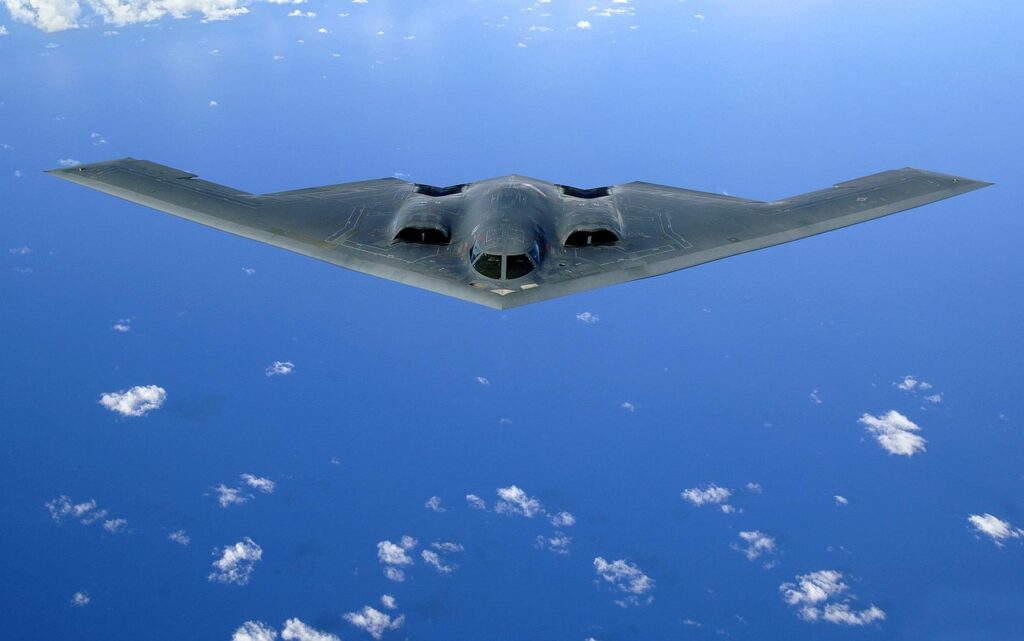
First up is the Northrop YB-49, a radical flying wing design that looks like something out of a science fiction movie. Imagine a giant bat soaring through the skies—cool, right? Developed in the late 1940s, this jet had no tail and relied on its unique shape for stability. It was designed for high-altitude, long-range strategic bombing, but it wasn’t just about looks. The YB-49 promised to be faster and more efficient than its contemporaries.
Unfortunately, it ran into some serious issues during testing. The aircraft’s instability was a big problem, and it didn’t help that it was underpowered. The U.S. Air Force ultimately decided to scrap it, but the design principles lived on. You can see echoes of the YB-49 in today’s stealth bombers, like the B-2 Spirit. Who knows? If it had succeeded, we might have been flying around in flying wings today!
The Avro Canada CF-105 Arrow: Canada’s Jet That Could Have Been
Now, let’s head north to Canada, where the CF-105 Arrow was born. This beauty was designed in the 1950s as a supersonic interceptor to defend against Soviet bombers. Picture it: a sleek, futuristic aircraft that could reach speeds of over Mach 2. It was regarded as one of the most advanced fighter jets ever designed at the time. The Arrow was packed with cutting-edge tech, like an integrated fire control system and a powerful Orenda engine.
So, what went wrong? Well, it turns out the Arrow was a little too ahead of its time. As costs skyrocketed and the Cold War dynamics shifted, the Canadian government decided to cancel the program in 1959. Just like that, the world lost what could have been a game-changer in aerial combat. To this day, it sparks debates among aviation enthusiasts: What if? Could Canada have led the way in advanced military aviation?
The Lockheed Martin X-35: From Concept to Reality
Fast-forward to the late ’90s, and we meet the Lockheed Martin X-35, which was a prototype for the Joint Strike Fighter program. This aircraft aimed to bring together different branches of the military with a single, versatile fighter jet. The X-35 was designed to be stealthy, agile, and capable of taking off and landing vertically, making it a true multitasker.
While the X-35 eventually morphed into the F-35 Lightning II, it almost didn’t make it. The competition was fierce, and there were some serious contenders. But the X-35’s impressive performance and adaptability won the day, leading to its selection over the Boeing X-32. It’s wild to think that without the X-35, we might not have the advanced capabilities we see in modern combat today. Plus, the F-35 is pretty much a flying computer—talk about evolution!
The Boeing 2707: The Supersonic Dream That Never Took Off
Last but definitely not least is the Boeing 2707, a supersonic transport aircraft that aimed to be the “Concorde of the Americas.” Picture a sleek, futuristic jet that could zip across the U.S. in a fraction of the time it takes today. Boeing envisioned a passenger plane that could cruise at speeds of over 2,000 miles per hour, making transcontinental travel a breeze. Sounds amazing, right?
However, the 2707 faced numerous challenges, from environmental concerns to the soaring costs of development. By the 1970s, the project was scrapped, leaving the Concorde as the lone supersonic passenger aircraft. Sometimes, it feels like we’re just one good idea away from flying like the Jetsons, but for now, we’re still grounded (at least until that next revolutionary concept comes along!).
Final Thoughts
These experimental warplanes remind us how close we’ve come to changing the course of aviation history. Each one had the potential to redefine aerial combat or passenger travel, but for various reasons, they never took flight as planned. It’s a testament to human ingenuity and the relentless pursuit of progress. Who knows what the future holds? The next big thing could be just around the corner, waiting to take us on a wild ride!