
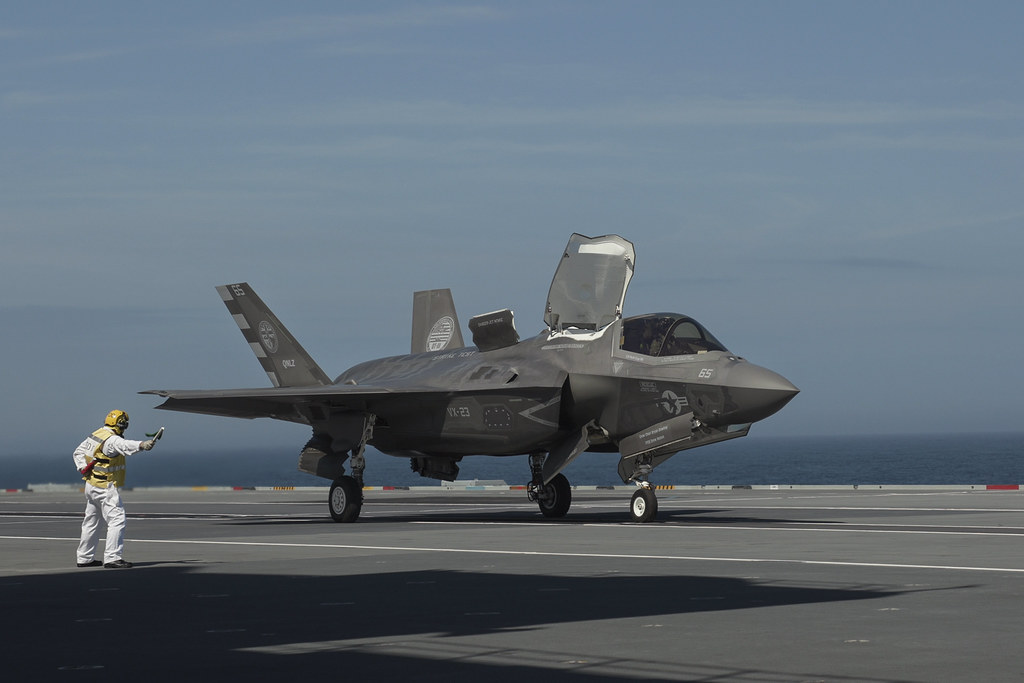

When it comes to military aircraft, we often think of sleek fighters zipping through the skies or heavy bombers delivering payloads with precision. But behind the scenes, countless designs have been sketched, tested, and ultimately scrapped. Some of these prototypes, while never seeing the light of day as operational aircraft, are fascinating little stories of ambition and innovation. So, grab your favorite cup of coffee and let’s take a look at four warplanes that never made it past the prototype stage. You might be surprised by what you learn!
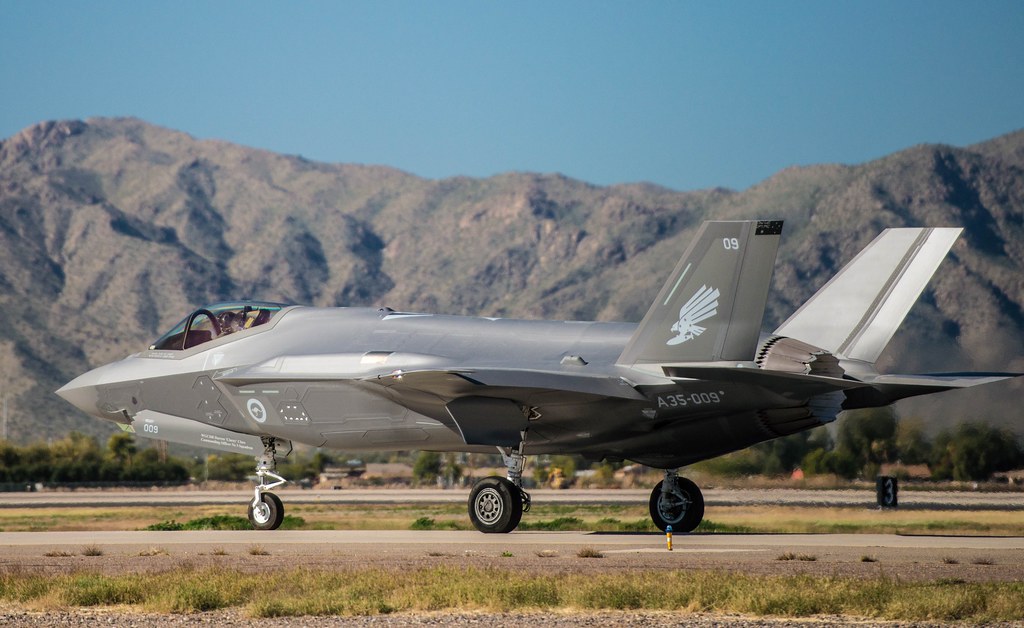
1. Boeing X-32
Ah, the Boeing X-32. This was Boeing’s contender in the Joint Strike Fighter program, meant to create a new generation of multirole fighters. You’d think that with Boeing’s reputation, they’d have a slam dunk, right? Well, not exactly. The X-32 had a unique design—think of a chunky, space-age bird with a single engine and a distinctive fuselage. It looked like it was trying just a bit too hard to be cool, but hey, we’ve all been there.
Despite its promising technology, like the ability to operate from short runways, the X-32 faced some serious competition from Lockheed Martin’s X-35, which ultimately became the F-35 Lightning II we know today. The X-32’s awkward looks and performance issues led to its demise, reminding us that sometimes it’s not just about having a good idea; it’s about executing it perfectly.
2. McDonnell Douglas YF-23
Next up is the YF-23, a plane that many enthusiasts still drool over. This stealth fighter was meant to be the next big thing in air dominance, competing against the YF-22. Just look at this thing—it’s got a futuristic design that makes it look like it should be in a sci-fi movie rather than flying missions for the military. With its twin-engine setup and canard wings, it’s no wonder that aviation buffs still talk about it.
Unfortunately, the YF-23’s sleek and stealthy design didn’t win it any points in the competition. The YF-22, which later became the F-22 Raptor, just edged it out. It’s a bit tragic, really, because the YF-23 had some serious technological advancements, including advanced avionics. Sometimes, though, it’s not just about being the best; it’s about being the right fit—and that’s what happened here.
3. Northrop YB-49
Now, let’s take a trip back to the late 1940s with the Northrop YB-49. This flying wing design was way ahead of its time and honestly, it’s still kind of mind-blowing. It looked like a giant bat soaring through the sky—a true testament to what innovative thinking can achieve. The idea was to create a stealthier bomber that could evade radar, a concept that’s become even more important in today’s combat scenarios.
However, despite its unique design and potential, the YB-49 was plagued with issues, from structural problems to performance hiccups. Plus, the military was still figuring out how to handle jet-powered bombers, making it a tough sell. While it never made it to full production, the YB-49 did pave the way for future aircraft designs, showing us that sometimes the most creative ideas don’t always land the big contracts.
4. Avro Canada CF-105 Arrow
Last but certainly not least, let’s talk about the Avro Arrow, a legendary Canadian aircraft that has become a symbol of what could have been. Designed during the Cold War, this supersonic interceptor was meant to defend Canadian airspace against potential Soviet threats. With its sleek lines and cutting-edge technology, the Arrow was a beauty—almost too good to be true.
But here’s where things get complicated. As the Arrow was nearing production, the Canadian government decided to scrap the project, citing high costs and changing defense priorities. It was a shocking decision that left many engineers and pilots devastated. The Arrow’s cancellation is often seen as a major blow to Canada’s aerospace industry, and it’s still a hot topic of debate among aviation historians. It’s like that one project you just can’t let go of; it haunts your dreams and makes you wonder, “What if?”
Wrapping Up
So there you have it! Four warplanes that aimed high but never quite took flight. Each of these aircraft represents a unique moment in aviation history, showcasing the ambitious spirit of innovation. Sure, they may not have made it to the battlefield, but they’ve left us with stories that inspire future generations of engineers and pilots. Who knows? Maybe the next big breakthrough is already waiting to take off—just not yet! So, the next time you look up at the sky, remember the dreams and designs that never quite made it. You never know what’s brewing in the world of aviation!